

Preventing the Import of Dangerous Chemicals.
In an increasingly interconnected world international customs the movement of goods across borders has become both a driver of economic growth and a potential threat to global safety. Among the most pressing concerns is the unregulated importation of dangerous chemicals, which can harm human health, ecosystems, and even national security. International customs agencies play a critical role in mitigating these risks by enforcing regulations, inspecting shipments, and collaborating with global partners. This blog post explores how customs authorities, supported by international frameworks, work to intercept and prevent the import of hazardous chemicals, while addressing challenges and future innovations in this vital mission.
What Are Dangerous Chemicals?International Customs
Dangerous chemicals encompass substances that pose significantrisks to health,, safety, or the environment. These include:
- Toxic chemicals (e.g., pesticides, heavy metals).
- Flammable or explosive substances (e.g., fireworks, solvents).
- Corrosive materials (e.g., acids, bases).
- Carcinogens and mutagens (e.g., benzene, asbestos).
- Dual-use chemicals (used in both legitimate industries and illicit production, such as precursor chemicals for drugs or WMDs).
Importing these substances without proper authorization or safety measures can lead to environmental disasters, health crises, or even terrorist activities. For example, in 2020, a container of unregulated industrial chemicals in Germany caused a massive fire and toxic air emissions, displacing thousands of residents. Such incidents underscore the urgency of robust customs oversight.
The Role of International Customs
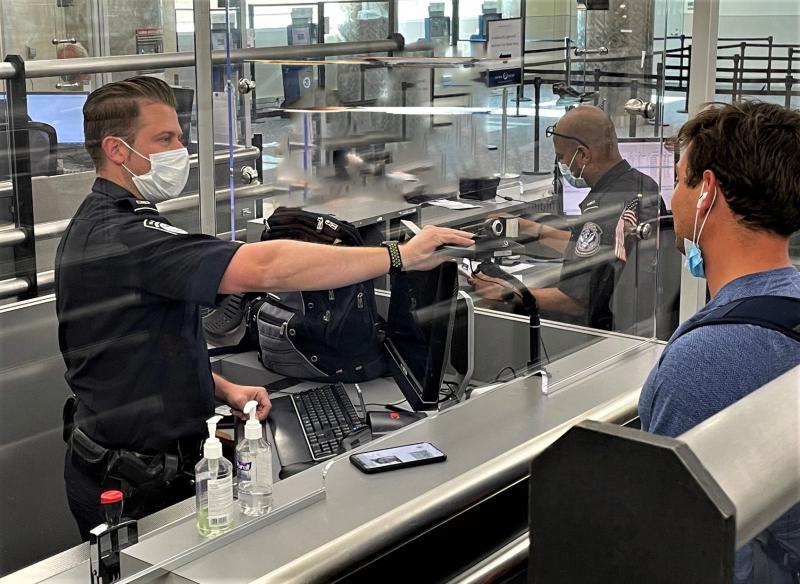
Customs agencies act as the first line of defense against the illicit import of dangerous chemicals. Their responsibilities include:
- Screening and inspecting cargo using advanced technologies (e.g., X-ray scanners, chemical detectors).
- Verifying documentation to ensure compliance with international treaties and national laws.
- Seizing and destroying illegal or non-compliant shipments.
- Collaborating with global partners to share intelligence and best practices.
For instance, the U.S. Customs and Border Protection (CBP) intercepted over 12,000 lbs of synthetic opioids in 2023, highlighting the scale of chemical threats even beyond traditional “dangerous” categories. However, customs alone cannot succeed without participation in global regulatory networks.
Key International customs Frameworks and Agreements
| Framework | Purpose | Key Players | Enforcement Mechanisms |
|---|---|---|---|
| Rotterdam Convention | Ensures informed consent for toxic chemicals through prior notification. | UN Environment Programme, 170+ member states. | Requires countries to document chemical exports and confirm recipient import permissions. |
| Basel Convention | Controls transboundary movement of hazardous waste to protect ecosystems. | 191+ parties, including the Basel and Stockholm Conventions. | Requires permits for waste shipments and bans illegal discharges. |
| Stockholm Convention | Eliminates Persistent Organic Pollutants (POPs) from trade and use. | Secretariat under UN Environment Programme. | Mandates phase-outs, environmentally sound waste management. |
| OECD Guidelines | Standardizes chemical testing and risk assessments globally. | OECD member countries, UN. | Encourages harmonization of regulations and data sharing. |
| Global Initiative on Chemicals Management (GICM) | Promotes sustainable chemical use through education and capacity-building. | UN, ILO, World Bank, etc. | Supports developing nations with technical assistance and policy frameworks. |
These frameworks provide customs agencies with tools to verify compliance, but implementation remains uneven due to resource gaps and political challenges.
Challenges in Enforcing Chemical Regulations by International Customs
- Illicit Trade Networks: Organized crime groups exploit weak enforcement in source or transit countries to smuggle chemicals. For example, the “blue pill” methamphetamine crisis in Southeast Asia involves precursor chemicals diverted from legitimate pharmaceutical supply chains.
- Counterfeit Chemicals: Fake agricultural fertilizers in Africa have caused crop failures and economic losses, as customs struggle to detect adulterated products without advanced lab equipment.
- Dual-Use Chemicals: Regulating substances like acetic anhydride (used in aspirin but also heroin production) requires balancing industrial needs with security risks.
- Resource Constraints: Developing countries often lack the infrastructure to monitor ports effectively, leading to gaps in enforcement.
- Global Supply Chain Complexity: Chemicals may pass through multiple jurisdictions, complicating accountability (e.g., a chemical produced in China, refined in India, and imported to Brazil).
Future Innovations in Customs Enforcement
- Artificial Intelligence: Machine learning algorithms can flag high-risk shipments by analyzing patterns in shipping data, reducing human error. Singapore Customs uses AI to predict risks in real-time.
- Blockchain for Transparency: Distributed ledgers can track chemical provenance, ensuring compliance with certifications (e.g., REACH in the EU).
- Portable Detection Kits: Lightweight spectrometers allow customs officers to quickly identify hazardous substances at ports.
- Global Data Sharing Platforms: Initiatives like the World Customs Organization’s (WCO) Information Exchange Network (IEN) enable real-time intelligence exchange.
- Capacity Building: Training programs for customs staff in developing nations, funded by the GICM, are critical to raising global standards.
Case Study: Singapore’s Integrated Chemicals Management System
Singapore, a top chemical transit hub, has implemented a robust system:
- SMART Port Technology: Real-time scanning and automated risk profiling.
- Inter-Agency Collaboration: Environment Agency of Singapore (NEA) works with customs to inspect 500,000+ chemical shipments annually.
- Public-Private Partnerships: Industry compliance programs ensure that companies report hazardous materials accurately.
In 2022, Singapore’s customs intercepted a shipment of banned PCBs (polychlorinated biphenyls), a persistent pollutant linked to cancer. This success highlights the power of integrated, tech-driven strategies.
Table: Key Chemical Regulations and Their Global Impact International Customs
| Regulation | Target Chemicals | Annual Compliance Rate | Notable Successes |
|---|---|---|---|
| REACH (EU) | Industrial chemicals, consumer products. | ~95% | Phased out thousands of harmful substances since 2007. |
| TSCA (U.S.) | Industrial chemicals. | ~85% | Mandated registration of 86,000+ substances, with stricter scrutiny of new chemicals. |
| Basel Convention | E-waste, industrial sludge. | ~70% | Reduced illegal electronic waste dumping from developed to developing countries. |
| GICM | General chemicals. | Varies by region | Supported 50+ nations in developing chemical legislation. |
Frequently Asked Questions (FAQs)
- What are the most dangerous chemicals typically intercepted by customs?
- Highly toxic substances like fentanyl, asbestos, and industrial waste, as well as chemical precursors for explosives or illicit drugs.
- How do customs agencies detect counterfeit chemicals?
- Using spectroscopy, chemical analysis kits, and cross-referencing documentation with global databases like the WCO’s Data Center.
- What happens if a country doesn’t comply with international chemical regulations?
- Non-compliant countries may face trade restrictions, fines, or exclusion from global initiatives, hindering their economic growth.
- Are there exceptions for certain industries (e.g., pharmaceuticals or agriculture)?
- Yes, regulated exceptions exist for legal medical or agricultural use, provided strict documentation and safety protocols are followed.
- How do chemical regulations vary between regions of the world?
- The EU’s REACH sets high standards, while countries in Asia and Africa may lack equivalent frameworks, creating enforcement disparities.
- What role do NGOs play in regulating dangerous chemicals?
- NGOs advocate for stricter policies, provide technical support, and raise public awareness (e.g., WWF’s work on persistent organic pollutants).
- Why is the Rotterdam Convention important in chemical import control?
- It ensures countries are informed before importing hazardous chemicals, empowering them to reject shipments if risks outweigh benefits.
- Can you provide a case study of a successful customs chemical interception?
- In 2021, India’s customs seized 300 kg of toxic mercury intended for illegal gold mining, preventing environmental contamination.
- How has technology improved customs’ ability to inspect chemical imports?
- AI-driven risk analysis and portable detection devices have increased inspection efficiency by 40% in pilot programs.
- How do customs agencies handle the importation of dual-use chemicals?
- Dual-use chemicals require advance licensing, cross-border checks, and collaboration with agencies like the UN Office on Drugs and Crime (UNODC).
Conclusion
The fight against the import of dangerous chemicals requires a multifaceted approach: robust international cooperation, cutting-edge technology, and sustained investment in customs infrastructure. While challenges like illicit trafficking and counterfeit goods persist, the growing adoption of global standards and innovative tools offers hope. By prioritizing these efforts, customs agencies can protect public health, preserve ecosystems, and ensure the global chemical trade remains both safe and sustainable.
What role do you play in this mission? Whether as a business, policymaker, or citizen, understanding the importance of chemical regulations is the first step toward a safer world.
[…] aim to achieve consistency, fairness, and proportionality in sentencing while addressing the complexities of drug distribution, which ranges from minor infractions to large-scale trafficking operations. In this comprehensive […]
[…] beyond crime and addiction. While much attention is given to the social and legal implications of drug trafficking, the economic burden it imposes on public healthcare systems is staggering. From emergency care and […]
[…] 8. Can healthcare systems recover from these economic burdens? […]