

Identifying Behavioral Changes Associated with Substance Misuse.
Substance misuse is a pervasive issue affecting millions globally, yet its early signs often go unnoticed. Recognizing behavioral changes can be a critical first step in addressing misuse and supporting recovery. In this blog post, we’ll explore the key behavioral indicators associated with substance misuse, understand their implications, and provide actionable steps for intervention. Whether you’re a concerned friend, family member, or healthcare professional, this guide equips you with the knowledge to spot the subtle and overt signs of misuse and offer timely support.
Why Behavioral Changes Matter in Substance Misuse
Substance misuse is not just a physical dependency but also a complex interplay of psychological and social factors. Behavioral changes often precede or accompany physical symptoms, making them early warning signs. These shifts can disrupt personal, professional, and academic lives. By understanding these patterns, we can foster empathy and encourage early intervention, which is crucial for effective treatment.
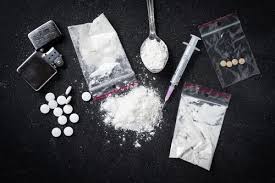
Key Behavioral Categories and Their Indicators
Let’s break down the common behavioral changes into four categories: emotional, social, physical, and cognitive. Below is a table summarizing these changes, their potential implications, and suggested responses.
| Behavioral Category | Common Changes | Potential Implications | Suggested Actions |
|---|---|---|---|
| Emotional | Mood swings, irritability, sudden anger or depression | Indicates emotional dysregulation or mental health issues like anxiety or depression | Open non-judgmental communication; suggest professional counseling |
| Social | Withdrawal from relationships, secrecy, neglect of responsibilities | Risk of isolation, strained relationships, or legal/social consequences | Encourage connection with loved ones; set clear boundaries |
| Physical | Sleep disturbances (insomnia or excessive sleep), neglect of hygiene, frequent illness | Possible organ damage, weakened immune system, or overdose risk | Monitor health symptoms; provide access to medical care |
| Cognitive | Poor concentration, memory lapses, impaired decision-making | Increased risk of accidents or poor academic/occupational performance | Support structured routines; consider cognitive-behavioral therapy |
10 Frequently Asked Questions About Behavioral Changes and Substance Misuse
1. What are the most common early signs of substance misuse?
Early signs often include subtle changes like mood swings, minor personality shifts, or a decline in productivity. Physical symptoms may include bloodshot eyes or a sudden loss of appetite. Pay attention to patterns rather than isolated incidents.
2. How can I differentiate between substance misuse and normal stress?
Stress can cause temporary behavioral shifts, but misuse-related changes tend to worsen over time and may involve risky behaviors (e.g., using substances in unsafe situations or hiding substance use).
3. What should I do if my loved one becomes defensive or hostile when I bring up concerns?
Defensiveness is a common reaction. Avoid confrontations and instead express empathy. Use “I” statements, such as, “I’m worried about how tired you look lately,” rather than accusatory language.
4. How does substance misuse affect mental health?
Substance misuse can exacerbate or mimic mental health disorders like depression or anxiety. For example, stimulant use may trigger paranoia, while alcohol can worsen depressive symptoms.
5. Can someone misuse substances without becoming addicted?
Yes. Misuse refers to harmful use, but addiction (a chronic brain disease) involves compulsive use despite negative consequences. However, misuse can progress to addiction if left unaddressed.
6. How long do behavioral changes typically last?
This varies. Some changes may subside with early intervention, while chronic misuse can lead to long-term or permanent impairments. Early treatment improves outcomes.
7. What role do healthcare providers play in identifying misuse?
Healthcare professionals can administer screening tools and medical tests to assess physical and psychological impacts. They may also refer patients to addiction specialists.
8. How can I support someone who’s in denial about their substance misuse?
Denial is a protective mechanism. Focus on your own well-being by attending support groups (e.g., Al-Anon) and encourage them to seek professional help without enabling harmful behavior.
9. Are there physical signs that are harder to ignore?
Yes. Visible signs include slurred speech, tremors, weight loss, or track marks. If you notice these, it’s a strong indicator to seek immediate medical attention.
10. What resources are available for families and friends?
Organizations like the National Council on Alcoholism and Drug Dependence (NCADD) and the Substance Abuse and Mental Health Services Administration (SAMHSA) ffer hotlines,, educational materials, and treatment referrals.
Understanding the Path to Recovery
Identifying behavioral changes is just the first step. Recovery requires a tailored approach, often combining therapy, medication, and support systems. Cognitive-behavioral therapy (CBT) is particularly effective in addressing the thought patterns underlying misuse. Additionally, 12-step programs or peer support groups can provide ongoing encouragement.
Conclusion: Early Intervention Saves Lives
Substance misuse is a treatable condition, but early detection is vital. By recognizing behavioral changes and responding with compassion, we can help individuals seek the help they need. Whether through open dialogue, professional services, or community resources, every action toward intervention brings hope for recovery.
Need Immediate Help?
If you or someone you know is struggling with substance misuse, contact the National Helpline (SAMHSA) at 1-800-662-HELP (4357) or visit SAMSHA’s website.
By fostering awareness and empathy, we can collectively address substance misuse and support healthier, more fulfilling lives. Stay informed, stay proactive, and never hesitate to reach out for help.
[…] consistently shows that teens who maintain open and honest relationships with their parents are 42% less likely to use substances compared to those who feel disconnected from their caregivers (NIDA, 2023). Effective communication […]
[…] Supply Chain Fragmentation: Global drug trafficking networks have made fentanyl production and distribution easier, even as law enforcement tightens controls on other substances. […]