

Recognizing the Signs of Synthetic Drug Overdose: A Guide for First Responders and Families.
The rise of synthetic drugs has introduced a new and dangerous challenge to public health. Unlike traditional illicit substances, synthetic drugs are chemically engineered to mimic the effects of natural narcotics, stimulants, or hallucinogens. While they are often marketed as “legal highs” or sold as bath salts, synthetic drugs like fentanyl, methamphetamines, ketamine, and synthetic cannabinoids (e.g., Spice) are potent, unpredictable, and increasingly deadly. Overdose rates linked to these substances have surged in recent years, particularly among teens and young adults, but no age group is immune.
For first responders, families, and caregivers, recognizing the signs of a synthetic drug overdose—and knowing how to respond effectively—can mean the difference between life and death. This guide provides a comprehensive overview of synthetic drug-related overdose symptoms, practical steps for intervention, and prevention strategies to empower communities.
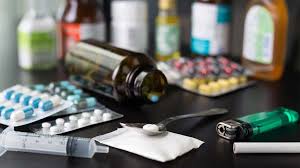
Understanding Synthetic Drugs
Synthetic drugs are laboratory-made substances designed to replicate the effects of naturally occurring drugs. They are often sold under misleading brand names or disguised as harmless products. Key categories include:
- Synthetic Opioids (e.g., fentanyl, tramadol): Hundreds of times stronger than morphine, these drugs are frequently laced into counterfeit pills or heroin.
- Synthetic Stimulants (e.g., methamphetamines, bath salts): These cause rapid heart rate, hallucinations, and hyperthermia.
- Synthetic Cannabinoids (e.g., Spice, K2): Marketed as “herbal incense,” these can cause severe agitation, seizures, and psychosis.
- Synthetic Hallucinogens (e.g., NBOMe, DMT derivatives): These induce vivid hallucinations and dissociation from reality.
Why Are Synthetic Drugs Dangerous?
- Unpredictable Potency: Chemical compositions vary batch to batch, making overdoses more likely.
- Lack of Regulation: Sold online or in “head shops,” these drugs bypass quality control.
- Polyuse Risk: Users often mix synthetic drugs with other substances, compounding toxicity.
Common Signs of Synthetic Drug Overdose
Symptoms of a synthetic drug overdose can vary widely depending on the substance involved. However, certain warning signs are consistent across categories. Below is a breakdown of key indicators:
| Symptom Category | Signs to Watch For |
|---|---|
| Physical Symptoms | Rapid or irregular heartbeat, extreme sweating, tremors, high or low blood pressure |
| Behavioral Changes | Agitation, aggression, confusion, paranoia, or catatonia |
| Neurological Effects | Seizures, hallucinations, slurred speech, loss of coordination |
| Respiratory Distress | Shallow breathing, difficulty breathing, or respiratory failure |
| Mental Status | Coma, unresponsiveness, extreme drowsiness |
| Other Critical Signs | Hyperthermia (overheating), flushed skin, dilated pupils |
Source: CDC and NIDA Guidelines for Overdose Recognition
Step-by-Step Response for First Responders
First responders must act swiftly and methodically in overdose situations. Follow this protocol:
- Ensure Safety
- Assess the scene for hazards (e.g., needles, unstable individuals). Wear gloves and eye protection.
- Check Vital Signs
- Evaluate breathing, pulse, and consciousness. If unresponsive and not breathing, begin CPR immediately.
- Administer Naloxone for Opioids
- If fentanyl or other opioids are suspected, use naloxone (Narcan) as a nasal spray or injection. Note: Naloxone is ineffective for non-opioid overdoses.
- Identify the Drug
- Look for packaging (e.g., “bath salts” labels) or ask witnesses about the substance. This aids in tailoring treatment.
- Stabilize the Patient
- For stimulant overdoses (e.g., meth), cool the body if hyperthermia is present. For synthetic cannabinoids, de-escalate agitation with supportive care.
- Call for Backup and Transport
- Even if the patient initially improves, transport them to a hospital. Synthetic drugs can have delayed effects.
What Families and Caregivers Should Do
Families often encounter overdose scenarios at home, in schools, or during social gatherings. Here’s how to respond:
- Stay Calm and Act Quickly
- If the individual is unresponsive, immediately call 911. Do not wait for symptoms to resolve.
- Do Not Induce Vomiting
- Vomiting could lead to aspiration, especially in unconscious individuals.
- Monitor Breathing and Heart Rate
- If trained, perform CPR until help arrives. Keep track of how long the person has been unresponsive.
- Keep the Person Cool and Comfortable
- For stimulant overdoses, remove layers to prevent overheating. Use cool compresses but avoid direct ice contact.
- Avoid Mixing Substances
- Do not give food, drinks, or additional drugs, even if advised by laypeople.
- Provide Context to Emergency Personnel
- Share details about the suspected drug, dosage, or time of ingestion. This helps medical teams act faster.
Prevention and Community Education
Preventing synthetic drug overdose requires a proactive approach:
- Educate the Public
- Share the dangers of “bath salts” and counterfeit pills with teens and parents. Highlight the risks of sharing or using unknown substances.
- Promote Naloxone Access
- Advocate for naloxone training programs and distribution in schools, workplaces, and community centers.
- Support Policy Changes
- Encourage legislation to ban synthetic drug sales and improve drug testing in public spaces.
- Dispose of Medications Safely
- Use drug take-back programs to prevent unused or expired medications from becoming synthetic drug sources.
- Foster Open Communication
- Encourage teens to talk to trusted adults if they’re exposed to drugs. Normalize conversations about drug risks without stigma.
Case Studies: Real-World Scenarios
Case Study 1: Methamphetamine Overdose
A 19-year-old male took synthetic meth at a party. He began experiencing rapid heart rate and chest pain. Bystanders noted seizures and called 911. Paramedics used ice packs to lower his body temperature and transported him to the hospital. He recovered after 48 hours.
Case Study 2: Fentanyl-Contaminated Pills
A 25-year-old woman ingested a counterfeit oxycodone pill laced with fentanyl. She collapsed and stopped breathing. Her roommate administered naloxone and performed CPR. Emergency services revived her but noted the need for long-term addiction counseling.
Conclusion: A Call to Action
Synthetic drug overdoses are a growing public health crisis that demands vigilance and collaboration. By recognizing the signs—whether you’re a first responder or a concerned family member—you can save lives. Education, access to treatment, and strong community networks are essential tools in combating this epidemic.
Remember: Every second counts in an overdose emergency. Stay informed, stay prepared, and prioritize safety above all.
Resources for Further Assistance
- Drug Overdose Response Kits: www.naloxone.org
- Crisis Hotline: 988 (Suicide & Crisis Lifeline)
- National Poison Control Center: 1-800-222-1222
By spreading awareness and taking proactive steps, we can reduce the devastating impact of synthetic drug overdoses—today and for future generations.
[…] as Adderall or Ritalin can lead to severe, lasting consequences. Among the most alarming risks is neurotoxicity, a condition where the nervous system is damaged by external substances. This blog post delves into […]
[…] to increase profits, enhance potency, or mimic the effects of other narcotics. Unlike traditional dulterants (e.g., cornstarch or lactose), synthetic adulterants are engineered in clandestine labs and can […]