
Cannabis and Parkinson Disease: A Natural Approach to Symptom Relief
Introduction
Parkinson Disease (PD) is a progressive neurological disorder that affects millions worldwide, causing motor symptoms like tremors, stiffness, and balance issues. While conventional treatments focus on medications like levodopa and dopamine agonists, many patients seek complementary approaches to manage symptoms naturally. Cannabis has emerged as a potential tool for alleviating Parkinson’s-related discomfort, offering a holistic alternative to traditional therapies. This guide explores how cannabis may help, the science behind its effects, and practical tips for using it safely and effectively.
Understanding Parkinson Disease and Its Challenges
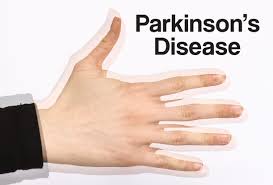
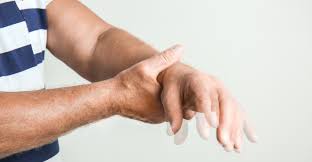
Parkinson’s Disease results from the degeneration of dopamine-producing brain cells, leading to symptoms such as bradykinesia (slowed movement), rigidity, postural instability, and non-motor issues like fatigue, depression, and sleep disturbances. These symptoms often reduce quality of life, making comprehensive symptom management critical. While medications like carbidopa/levodopa are foundational, they may lose efficacy over time or cause side effects like dyskinesia (involuntary movements).
Patients increasingly turn to natural remedies like cannabis to address symptoms that traditional therapies fail to control. Although research is evolving, anecdotal evidence and preliminary studies suggest cannabis may offer benefits for motor and non-motor symptoms. However, it’s essential to approach cannabis use with informed guidance.
How Cannabis May Help Parkinson Disease Symptoms
Cannabis contains cannabinoids like cannabidiol (CBD) and tetrahydrocannabinol (THC), which interact with the body’s endocannabinoid system (ECS)—a network regulating pain, mood, and motor control. The ECS’s role in modulating inflammation and neuronal activity makes it a promising target for Parkinson’s treatment.
Potential Benefits Include:
- Reduced Spasticity and Rigidity: THC may ease muscle stiffness by relaxing overactive muscles.
- Improved Sleep: CBD has shown promise in addressing insomnia, a common PD-related issue.
- Pain Relief: Both cannabinoids exhibit analgesic properties, which can alleviate musculoskeletal discomfort.
- Mood Enhancement: CBD’s antidepressant-like effects may help with PD-associated depression and anxiety.
- Neuroprotection: Early research suggests cannabinoids might slow neurodegeneration, though more studies are needed.
Types of Cannabis Products for Parkinson Disease
Patients can choose from various cannabis formulations, depending on symptoms and preferences:
- CBD Oils/Tinctures: Sublingual drops for targeted relief of anxiety, pain, and inflammation.
- THC-CBD Edibles: Capsules or gummies for long-lasting effects, ideal for nighttime symptom management.
- Topical Creams/Balms: Apply directly to stiff joints or sore muscles for localized relief without systemic effects.
- Vaporized Cannabis: Inhaled through vaporizers for rapid symptom relief, though lung health considerations apply.
- Cannabis-Infused Creams: Transdermal patches for steady absorption, minimizing psychoactive effects (CBD-dominant options).
Note: Opt for products with third-party lab testing to ensure purity and potency. Always consult a healthcare provider before starting new treatments.
Dosage, Usage Tips, and Safety Considerations
Cannabis effects vary by individual, so a personalized approach is essential:
- Start Low and Go Slow: Begin with minimal doses (e.g., 2.5–5 mg of CBD or THC) to assess tolerance.
- Track Symptoms: Maintain a journal to identify patterns and optimal dosing schedules.
- Avoid Alcohol and Sedatives: Cannabis may amplify sedative effects when combined with other substances.
- Consult a Specialist: Work with a neurologist or cannabis-trained physician to integrate it safely with existing medications.
Frequently Asked Questions (FAQs) About Cannabis and Parkinson’s Disease
Is cannabis safe for Parkinson’s patients?
While generally well-tolerated, cannabis may cause dizziness or dry mouth. Use with caution, especially in older adults or those on other medications.Can cannabis replace Parkinson’s medications?
No. Cannabis should complement—not replace—prescribed therapies. Always coordinate with your doctor.What’s the difference between CBD and THC for PD?
CBD offers anti-inflammatory and calming effects without psychoactivity, while THC may provide pain relief but includes mind-altering properties.Is cannabis legal for Parkinson’s treatment?
Laws vary by location. In the U.S., CBD derived from hemp (with <0.3% THC) is federally legal, but THC products are still Schedule I in most states.Can cannabis worsen Parkinson’s symptoms?
High THC may exacerbate tremors in some individuals. Opt for balanced CBD-dominant strains to minimize this risk.What are common side effects?
Dry mouth, drowsiness, and hunger are common. Overdosing may cause anxiety or hallucinations.How long does it take to feel effects?
Edibles take 1–2 hours, oils/tinctures work within 15–30 minutes, and vaporized cannabis acts within minutes.Can cannabis interact with my medications?
Yes. CBD may inhibit liver enzymes that metabolize drugs like levodopa. Discuss with your pharmacist.Are there long-term risks?
Chronic use of high-THC cannabis may lead to dependency. Choose low-THC, high-CBD products for safer long-term use.How do I start using cannabis for PD?
Begin with CBD oils or topicals. Consult a neurologist or cannabis specialist for guidance on strains, dosing, and product quality.
Conclusion: Embrace a Holistic Approach to Parkinson’s Care
Cannabis offers a natural, multi-faceted approach to managing Parkinson’s symptoms, from motor issues to emotional well-being. While research continues to evolve, many patients report meaningful improvements in quality of life when cannabis is used wisely and in conjunction with medical care.