

Public Health Alerts: Tracking Regional Trends in substance contamination.
The spread of substance contamination—ranging from illicit drugs to tainted pharmaceuticals and polluted food products—poses a significant threat to public health. From fentanyl-laced street drugs in the United States to counterfeit antimalarials in sub-Saharan Africa, the scope of substance contamination varies by region, driven by local factors such as supply chains, regulatory frameworks, and socioeconomic conditions. To combat this growing challenge, public health agencies rely on systematic tracking of contamination trends, enabling timely alerts and targeted interventions. In this blog post, we explore how global and regional efforts are addressing substance contamination, highlight key trends by region, and examine the implications for public health policy.
Why Tracking Substance Contamination Matters
Substance contamination refers to the presence of harmful chemicals, adulterants, or impurities in products meant for human consumption or medical use. The consequences of such contamination can be severe: from acute poisoning and long-term health damage to outbreaks of disease and deaths.
For instance, the 2019 fentanyl contamination crisis in North America led to thousands of overdose deaths, while the 2008 Chinese milk scandal—where melamine was added to milk to falsify protein content—affected nearly 300,000 children. These examples underscore the need for robust surveillance systems to detect, monitor, and mitigate contamination risks.
Public health alerts play a critical role in this process. By analyzing data from poison control centers, laboratory reports, and outbreak investigations, agencies like the World Health Organization (WHO), the U.S. Centers for Disease Control and Prevention (CDC), and regional health authorities can identify emerging threats and communicate risks to the public and stakeholders.
How Contamination is Tracked
Tracking substance contamination involves a combination of strategies:
- Surveillance Systems: Tools like the WHO’s Global Early Warning System (GEWS) and the CDC’s National Outbreak Reporting System (NORS) collect real-time data on contamination incidents.
- Laboratory Analysis: Advanced techniques such as mass spectrometry and DNA barcoding help identify contaminants in substances.
- Epidemiological Studies: Investigating clusters of illness or poisoning to determine links to contaminated products.
- Consumer and Healthcare Reporting: Platforms like the FDA’s MedWatch program encourage reporting of adverse reactions to pharmaceuticals.
- Data Aggregation and AI: Machine learning models predict contamination hotspots by analyzing trade data, environmental factors, and disease trends.
These methods provide a multidimensional view of contamination patterns, enabling proactive measures.
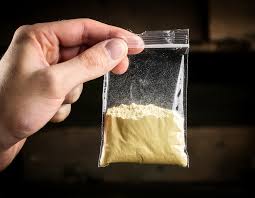
Regional Trends in Substance Contamination
Below is an analysis of contamination trends in five key regions, along with 2023 statistics and public health responses.
1. North America
Key Contaminants: Fentanyl, xylazine (a veterinary sedative in illicit drugs), lead in children’s products, per- and polyfluoroalkyl substances (PFAS) in food packaging.
Trends:
- Illicit drug contamination remains a critical issue, particularly in the U.S. and Mexico.
- The Canadian government reported a 40% increase in fentanyl-related deaths in 2023 compared to 2022.
- PFAS, dubbed “forever chemicals,” have been detected in food packaging and drinking water across the U.S., prompting state-level bans.
Public Health Response: - Expanded naloxone distribution and overdose prevention sites in the U.S.
- Lab testing of illicit drugs to identify contaminants.
2. Europe
Key Contaminants: Synthetic cannabinoids, mycotoxins in food, lead in imported toys, microplastics in bottled water.
Trends:
- The EU’s European Monitoring Centre for Drugs and Drug Addiction (EMCDDA) reported a sharp rise in synthetic cannabinoid use in Eastern Europe, linked to hospitalizations.
- A 2023 study found 70% of bottled water samples in Italy contained microplastic particles.
- Mycotoxin contamination in cereal crops increased by 15% in 2023 due to climate change.
Public Health Response: - Stricter regulations on synthetic substances and regular food safety audits.
- EU-funded programs to reduce plastic pollution and its health impacts.
3. Asia
Key Contaminants: Heavy metals in seafood, melamine in dairy products, pesticides in agricultural produce, and counterfeit pharmaceuticals.
Trends:
- China’s 2023 Food Safety Report noted elevated mercury levels in seafood from the South China Sea, linked to industrial runoff.
- India reported 250 cases of pesticide poisoning in 2023 from contaminated fruits and vegetables.
- Vietnam saw a surge in counterfeit asthma inhalers, with 30% failing to meet active ingredient standards.
Public Health Response: - Mobile testing labs to assess agricultural product safety.
- Public awareness campaigns on detecting counterfeit drugs.
4. Latin America
Key Contaminants: Pesticides in coffee and cacao, lead in jewelry, aflatoxins in nuts, and synthetic opioids in trafficking routes.
Trends:
- Brazil’s 2023 National Health Surveillance Agency (ANVISA) flagged 60% of imported children’s jewelry for lead content.
- Colombia reported increased contamination of coffee exports with organophosphate pesticides.
- Synthetic opioid seizures on drug trafficking routes between Mexico and the U.S. rose by 30% in 2023.
Public Health Response: - Partnerships with agricultural cooperatives to reduce pesticide use.
- Border inspections to intercept contaminated imports.
5. Africa
Key Contaminants: Counterfeit medicines, aflatoxins in staple crops, heavy metals in groundwater, and adulterated alcohol.
Trends:
- The WHO estimated 38,000 deaths in Africa in 2023 linked to counterfeit antimalarial drugs.
- Aflatoxin contamination in maize (a staple crop) in Kenya rose by 22% in 2023 due to drought-driven mold growth.
- Spiked alcohol incidents in Nigeria and South Africa caused 150 hospitalizations.
Public Health Response: - Deployment of rapid diagnostic tests to verify drug authenticity.
- Community education on safe food storage to prevent mold.
Table: Regional Trends in Substance Contamination (2023)
| Region | Key Contaminants | Notable Trends | 2023 Statistics | Public Health Response |
|---|---|---|---|---|
| North America | Fentanyl, xylazine, PFAS, lead | 40% rise in U.S. fentanyl deaths; PFAS in food packaging | 15,000 fentanyl-related deaths in U.S. | Expanded naloxone access; lab testing of illicit drugs |
| Europe | Synthetic cannabinoids, microplastics | 70% bottled water samples in Italy showed microplastics | 12,000 hospitalizations for synthetic cannabinoid use | EU bans on synthetic substances; food safety audits |
| Asia | Heavy metals, pesticides, counterfeit drugs | 30% of Vietnam’s inhalers failed quality checks | 250 pesticide poisoning cases in India | Mobile testing labs; counterfeit drug awareness |
| Latin America | Pesticides, lead in jewelry | 60% of imported jewelry in Brazil exceeded lead limits | 38 pesticide-related deaths in Brazil | Border inspections; agrochemical use reduction |
| Africa | Counterfeit meds, aflatoxins | 38,000 deaths from counterfeit antimalarials | 150 alcohol poisoning cases in Nigeria | Rapid drug tests; community education on food safety |
Challenges in Tracking Contamination
Despite advancements, several barriers hinder effective tracking:
- Underreporting: Weak reporting infrastructure in low-income regions leads to incomplete data.
- Cross-Border Movement: Globalized trade and illicit trafficking complicate source tracing.
- Emerging Contaminants: Novel synthetic drugs and environmental pollutants can evade detection until harm is evident.
- Resource Limitations: Many regions lack funding or technology for comprehensive surveillance.
- Data Silos: Fragmented databases across agencies delay response times.
For example, in Southeast Asia, the rapid production of “designer drugs” like NBOMe (a hallucinogen) outpaces regulatory testing capabilities. Similarly, in sub-Saharan Africa, limited laboratory capacity makes it difficult to confirm contamination in local medicines.
Policy and Collaboration: The Way Forward
Addressing contamination requires a multifaceted approach:
- International Collaboration: Sharing data through platforms like the WHO’s GEWS and the FDA’s Global Partnerships.
- Regulatory Strengthening: Enforcing stricter import/export standards and penalizing adulteration.
- Public Education: Teaching communities to identify and report contaminated products.
- Technology Integration: Deploying AI and blockchain to trace supply chains and detect anomalies.
- Community-Based Solutions: Empowering local populations to participate in monitoring (e.g., citizen reporting apps).
In 2023, the EU and the U.S. launched a joint initiative to combat synthetic opioid trafficking, while the African Union announced a regional task force to tackle counterfeit medicines. These efforts highlight the potential of cross-border cooperation.
Conclusion: A Call for Vigilance
Substance contamination is not a static problem—it evolves with time, technology, and human behavior. By tracking regional trends, public health authorities can turn data into action, preventing outbreaks and saving lives. However, the challenges of globalization, climate change, and economic inequality mean that vigilance is more critical than ever.
As consumers, stakeholders, and policymakers, we must support robust monitoring systems and advocate for transparency in production and trade. Whether it’s a contaminated medicine in Malawi, a pesticide-laced coffee bean in Brazil, or a fentanyl-adulterated pill on U.S. streets, every alert is a step toward a safer, healthier world.
What can you do?
- Stay informed about public health warnings in your region.
- Report suspicious products through official channels (e.g., FDA’s MedWatch, FDA’s Report Adverse Effects tool).
- Advocate for stronger regulations and funding for public health infrastructure.
Together, we can build a future where substance contamination is no longer a silent epidemic but a solvable challenge.
[…] withdrawal processes are inherently dangerous. For example, alcohol withdrawal can lead to delirium tremens (DTs), a medical emergency with a 5–25% mortality […]
[…] The Substance Abuse and Mental Health Services Administration (SAMHSA) Treatment Locator: […]
[…] since 1999, with synthetic opioids like fentanyl driving the epidemic. Amid this crisis, naloxone—a medication that can rapidly reverse opioid overdoses—has emerged as a critical tool in saving lives. However, […]
[…] Multi-Drug Testing Strips: Expanding strip-based tests to detect a wider range of substances. […]
[…] Why Medical Detox is Essential […]