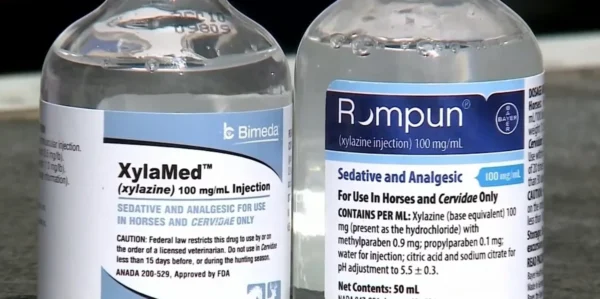
Introduction to Xylazine Tranq
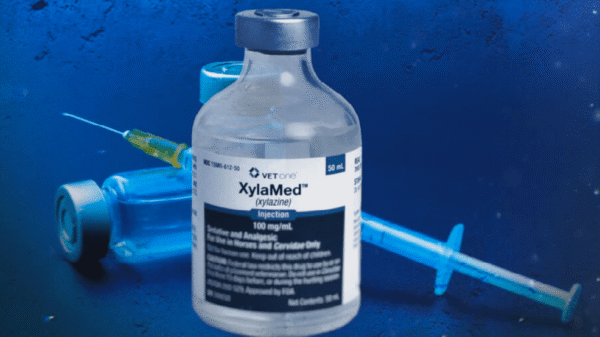
Xylazine, commonly referred to as “tranq,” is a trusted veterinary tranquilizer widely used in equine and large animal medicine. As a reliable animal sedative, xylazine hydrochloride helps manage stress, facilitate procedures, and ensure the safety of both animals and handlers. Known for its effectiveness in equine sedation, this veterinary pharmaceutical is a cornerstone of modern animal health care. Whether you’re a veterinarian, livestock owner, or equine professional, understanding the uses, benefits, and guidelines for xylazine is essential.
Why Trust Xylazine?
Xylazine is a go-to solution in veterinary practice due to its rapid onset of action, reliable sedative effects, and versatility across species. From horse tranquilization to sedating cattle, goats, and other large animals, xylazine is a staple in veterinary medicine. Its ability to induce sedation, muscle relaxation, and analgesia makes it indispensable for procedures such as hoof trimming, vaccinations, and minor surgeries.
Uses and Applications of Xylazine Tranq
1. Equine Sedation
Xylazine is a preferred choice for equine sedation, enabling veterinarians to perform diagnostic or therapeutic procedures with minimal stress to the horse. It’s particularly effective in calming excitable or anxious horses.
2. Large Animal Veterinary Procedures
Beyond horses, xylazine is used in cattle, sheep, and swine for sedation during physical exams, dehorning, and castration. Its potency ensures compliance in even the most challenging cases.
3. Pain Management
Xylazine provides analgesic properties, making it an ideal adjunct to anesthesia for minor surgical interventions.
4. Emergency Situations
In critical animal care, xylazine helps manage overstimulated or injured animals, ensuring safe handling and treatment.
Safety and Side Effects of Xylazine
When used responsibly, xylazine is a safe and effective tranquilizer for animals. However, it’s crucial to be aware of potential side effects and contraindications.
Common Side Effects:
- Mild sedation or drowsiness.
- Temporary drop in heart rate or blood pressure.
- Salivation in horses.
Precautions:
- Avoid use in animals with heart conditions.
- Do not administer to pets like dogs due to adverse reactions.
- Always consult a veterinarian before use.
Dosage and Administration Guidelines
Xylazine dosage varies by species, weight, and desired effect. Below are general guidelines, but always follow your veterinarian’s recommendations:
| Species | Dosage Range | Routes of Administration |
|---|---|---|
| Horses | 0.5–1.0 mg/kg | Intravenous or Intramuscular |
| Cattle | 0.5–1.5 mg/kg | Intravenous or Subcutaneous |
| Goats/Sheep | 1.0–2.0 mg/kg | Subcutaneous or Oral (diluted) |
Important Notes:
- Dilute xylazine before administration to prevent irritation.
- Monitor animals during and after sedation.
Where to Buy Xylazine Online
For those seeking xylazine for sale, sourcing from a reputable supplier is critical. When purchasing xylazine online, ensure the provider is licensed and offers veterinary-grade products. At [Your Brand Name], we specialize in large animal veterinary drugs and provide xylazine hydrochloride in vet-approved formulations.
Benefits of Buying Xylazine with Us:
- Competitive pricing and bulk discounts.
- Fast, discreet shipping.
- Comprehensive support from veterinary professionals.
How to Order:
- Visit our xylazine online store.
- Choose the required formulation and quantity.
- Complete your checkout securely.
Frequently Asked Questions (FAQs) About Xylazine
1. What is xylazine used for in veterinary medicine?
Xylazine is primarily used as a veterinary tranquilizer for sedating horses, cattle, and other large animals. It’s ideal for procedures requiring restraint or minor surgical interventions.
2. Is xylazine safe for animals?
Yes, when administered correctly by a qualified veterinarian. Always follow dosage guidelines to avoid complications like respiratory depression in sensitive animals.
3. What are the common side effects of xylazine?
Mild effects include drowsiness, low heart rate, and salivation. Rarely, animals may experience ataxia (loss of coordination).
4. How is xylazine administered to animals?
Xylazine is typically given via intravenous (IV), intramuscular (IM), or subcutaneous (SQ) routes. The method depends on the species and procedure.
5. What is the appropriate dosage of xylazine for different animals?
Dosage varies by weight and species. For example, horses require 0.5–1.0 mg/kg, while cattle may need 0.5–1.5 mg/kg. Always consult a vet for precise dosing.
6. Can xylazine be used in all animals?
Xylazine is not recommended for cats or dogs due to adverse reactions. Use in goats and sheep requires careful monitoring.
7. How should xylazine be stored?
Store in a cool, dry place away from sunlight. Unopened vials are stable for up to two years; once diluted, use promptly.
8. Where can I buy xylazine for my animals?
Purchase xylazine for sale from licensed veterinary suppliers or online stores like [Your Brand Name]. Ensure compliance with local regulations.
9. What are the legal requirements for purchasing xylazine?
In many regions, xylazine requires a veterinary prescription. Confirm local laws before purchasing buy xylazine online or offline.
10. Are there alternatives to xylazine for animal sedation?
Alternatives include detomidine or romifidine for equine sedation. Discuss options with your vet to determine the best choice for your animal.
Conclusion
Xylazine remains a vital tool in veterinary medicine, offering reliable sedation for large animals. Whether you’re managing an equine clinic or caring for livestock, ensuring access to quality xylazine for sale is essential. At [Your Brand Name], we provide high-grade veterinary pharmaceuticals with a commitment to animal health and safety. Explore our range of tranquilizers for animals and find the right solution for your needs. Order now and experience the difference of trusted xylazine online delivery.