
Physician resources Guide to Medical Marijuana: A Comprehensive Resource for Clinical Insights
Physician resources Marijuana, or cannabis, has transitioned from a controversial substance to a recognized therapeutic agent in modern medicine. As a physician, staying informed about the pharmacology, therapeutic uses, and legal framework surrounding medical marijuana is critical to providing evidence-based care. With evolving state laws and growing patient inquiries, this resource equips healthcare professionals with up-to-date, science-backed insights to navigate cannabis use confidently.
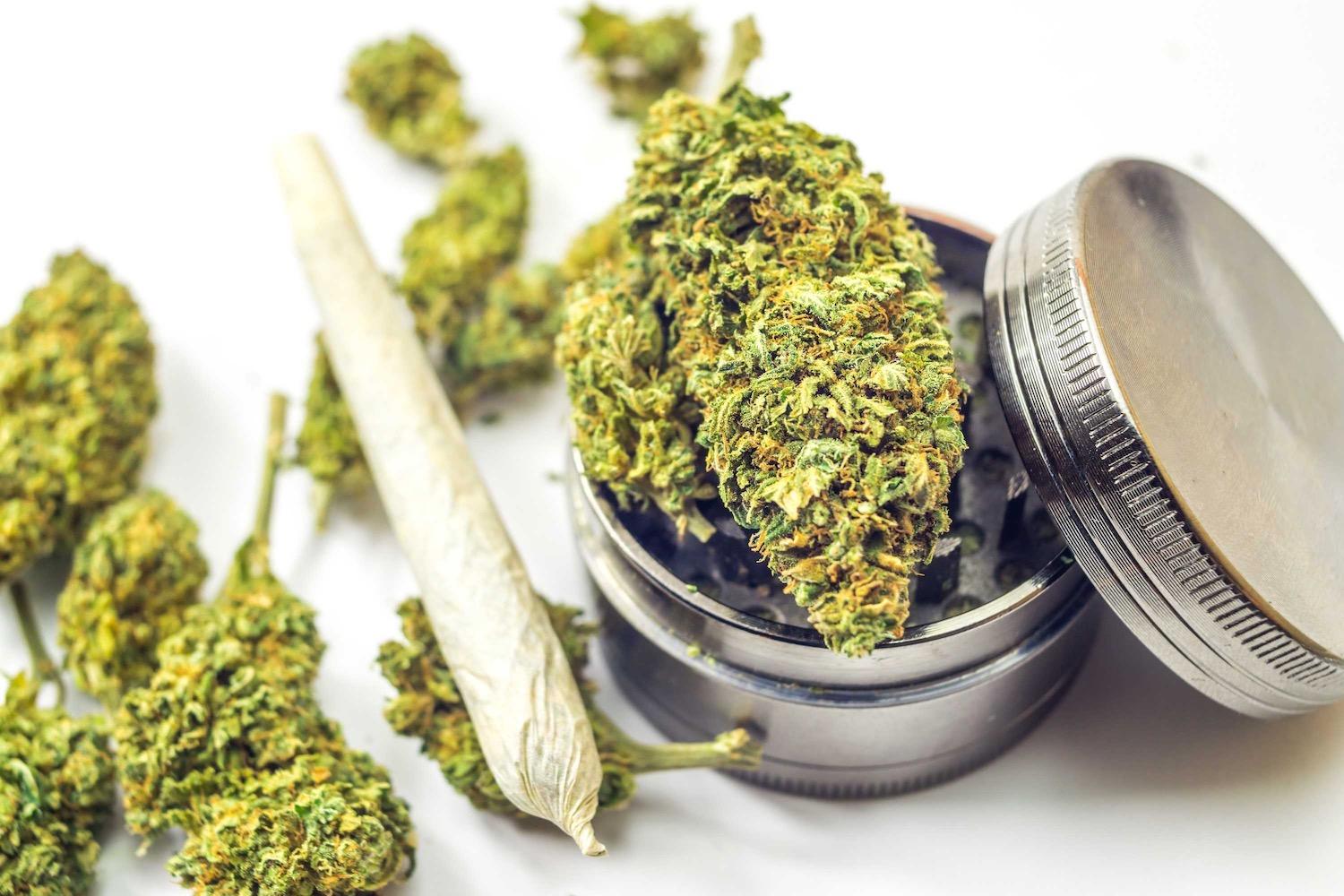
Understanding the Therapeutic Potential of Medical Marijuana
Medical marijuana refers to the use of cannabis or its extracts (e.g., CBD, THC) to treat conditions under medical supervision. Research and clinical trials have highlighted its efficacy in managing chronic pain, nausea, seizures, and other symptoms. While the federal status of marijuana in the U.S. remains classified as a Schedule I drug, many states have legalized it for medical purposes. This divergence creates a complex landscape for physicians, making it essential to understand both the clinical and legal nuances.
Key Therapeutic Applications:
- Chronic Pain Management: Cannabis has demonstrated analgesic properties for neuropathic pain, arthritis, and fibromyalgia.
- Chemotherapy-Induced Nausea and Vomiting: Delta-9-tetrahydrocannabinol (THC) products like Dronabinol are FDA-approved for this use.
- Epilepsy and Seizure Disorders: Cannabidiol (CBD), marketed as Epidiolex, is a breakthrough therapy for rare, treatment-resistant forms of epilepsy.
- Mental Health: Emerging studies suggest potential benefits for PTSD and anxiety, though more research is needed.
Pharmacology and Mechanisms of Action
Cannabis interacts with the endocannabinoid system (ECS), a regulatory network involved in pain, mood, and immune function. Its primary cannabinoids include:
- THC (Delta-9-tetrahydrocannabinol): Psychoactive component responsible for therapeutic effects on pain, appetite, and nausea.
- CBD (Cannabidiol): Non-psychoactive compound with anti-inflammatory, anxiolytic, and anticonvulsant properties.
- CBN (Cannabinol): Mild psychoactive effects, often associated with sedation.
Dosage Considerations:
Medical marijuana is administered via oral ingestion, sublingual drops, topical applications, or vaporization. Dosage varies widely based on the patient’s condition, metabolism, and tolerance. Physicians must emphasize the importance of starting low and titrating slowly to minimize adverse effects while optimizing therapeutic outcomes.
Patient Populations and Contraindications Physician Resources
While medical marijuana shows promise, it is not universally appropriate. Physicians should consider contraindications and risks, including:
- Mental Health Concerns: THC may exacerbate psychosis or schizophrenia.
- Pregnancy and Lactation: Cannabis use during pregnancy is associated with developmental risks.
- Cardiovascular Health: THC can transiently increase heart rate and blood pressure.
- Substance Use History: Patients with a history of addiction may be at higher risk of dependency.
Legal and Regulatory Landscape
Medical marijuana laws vary significantly by jurisdiction. As of 2023, 38 U.S. states and several countries have legal frameworks for medical cannabis. Physicians must stay informed about local regulations, including:
- Prescribing Authority: Some states require physician certification or registration in a medical marijuana database.
- Documentation Requirements: Patients may need written recommendations and compliance with dosage limits.
- Federal vs. State Conflicts: Physicians in federal jurisdictions (e.g., public hospitals, VA facilities) must navigate federal restrictions despite state laws.
Addressing Common Clinical Questions: 10 FAQs for Physicians
Here are 10 frequently asked questions to help clinicians confidently address patient inquiries:
- What is the Difference Between Medical and Recreational Marijuana?
Medical marijuana is used under a Physician Resources supervision for specific conditions, with formulations tailored to therapeutic needs. ecreational use lacks clinical oversight and dosage standardization. - How Do I Determine the Right Dose for a Patient?
Dosing should start low (1–2.5 mg of THC or 5–25 mg of CBD) and titrate based on patient response. Monitor for efficacy and adverse effects weekly. - Can Medical Marijuana Interact With Other Medications?
Yes. THC and CBD inhibit cytochrome P450 enzymes, potentially alteringmetabolism oof drugs like warfarin, antiepileptics, and psychotropics. - Are There Addiction Risks?
While cannabis use disorder occurs in ~9% of users, dependency is less common than with opioids. Assess for addiction risk before prescribing. - How Effective Is Medical Marijuana for Chronic Pain?
Studies suggest it provides modest pain relief, often as an adjunct to conventional therapies. Long-term efficacy varies. - Can It Be Used to Treat Sleep Disorders?
CBD may improve sleep quality in insomnia or PTSD-related sleep disturbances, though THC can disrupt sleep architecture in some cases. - What Are the Most Common Side Effects?
Dry mouth, dizziness, euphoria, and increased appetite are common. High-dose THC may cause anxiety or paranoia. - Is Medical Marijuana Legal in All 50 U.S. States?
No. Current legal status varies; physicians must check their state’s medical marijuana program details. - How Does Insurance Cover Medical Marijuana?
Most U.S. insurers do not cover it due to federal classification. Patients often pay out-of-pocket. - What Evidence Supports Its Use in Pediatric Patients?
CBD-based therapies (e.g., Epidiolex) are approved for Dravet syndrome and ennox-Gastaut syndrome.. THC-dominant products are rarely used in children due to safety concerns.
Staying Informed: Resources for Ongoing Education
As research in cannabis medicine accelerates, physicians must commit to continuous learning. Key resources include:
- National Academies of Sciences, Engineering, and Medicine (NASEM) Reports
- Peer-Reviewed Journals: Journal of the American Medical Association (JAMA), Cannabis and Cannabinoid Research
- Professional Organizations: American College of Preventive Medicine’s Cannabis Medicine page
Conclusion: Integrating Medical Marijuana into Practice
Medical marijuana represents a dynamic intersection of science, medicine, and policy. By understanding its pharmacology, therapeutic applications, and legal boundaries, physicians can make informed decisions that prioritize patient safety and well-being. As research advances, staying updated on clinical trials, regulatory changes, and patient outcomes will remain vital. For patients seeking alternatives to traditional therapies, a well-informed physician is a cornerstone of effective care.