

The Legal Definition of “Paraphernalia” vs. “Party Favors”: Know Your Rights.
In the nuanced landscape of law and consumer goods, the distinction between paraphernalia and party favors can have significant legal implications. While the terms may seem interchangeable at first glance, their meanings and consequences diverge in critical ways. Understanding this difference is essential for individuals, businesses, and legal professionals to avoid unintended violations of the law. This blog post delves into the legal definitions of these terms, explores their implications, and provides actionable insights to help readers navigate this often-overlooked aspect of legal compliance.
What Are Paraphernalia and Party Favors?
At their core, paraphernalia and party favors refer to items used in specific contexts—often ceremonial or recreational. However, their meanings and legal classifications differ dramatically.
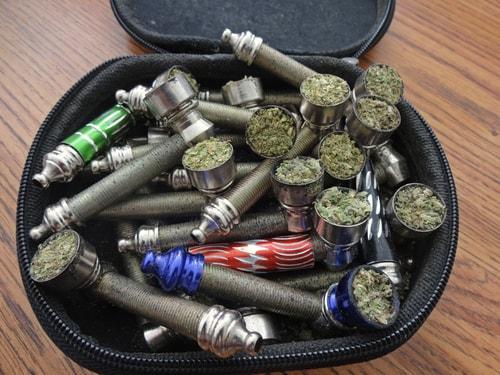
Paraphernalia is a broad term that can refer to items associated with a particular activity, profession, or practice. In legal terms, paraphernalia is most commonly associated with items used for illegal drug use. This includes items like pipes, bongs, syringes, and even electronic devices designed to consume controlled substances.
Party favors, on the other hand, are items provided to attendees of a celebration as a token of appreciation or fun. These include common items like balloons, noisemakers, stickers, small toys, or even novelty items like lighters, decorative cups, or mini bottles of candy.
The critical difference lies in intended use: paraphernalia is legally linked to activities that may violate drug laws, while party favors are generally innocuous and intended for harmless enjoyment.
The Legal Framework: Paraphernalia Laws
Federal and state laws govern the manufacture, sale, distribution, and possession of items classified as paraphernalia. These laws are designed to curb the proliferation of tools that facilitate illegal drug use.
Federal Law
Under the Controlled Substances Act (CSA) in the United States, the distribution and sale of drug paraphernalia are prohibited under 21 U.S.C. § 863. This law defines paraphernalia as items “primarily intended or designed for use in planting, propagating, cultivating, growing, harvesting, manufacturing, compounding, processing, preparing, testing, analyzing, packaging, repackaging, storing, containing, concealing, or inhaling a controlled substance.”
Examples of federally prohibited paraphernalia include:
- Bongs and pipes for smoking cannabis or other controlled substances.
- Syringes used for injecting drugs.
- Vials and containers designed to store narcotics.
The law emphasizes the intended use of the item. If an item is marketed, labeled, or packaged in a way that suggests its primary purpose is for drug use, it is likely to be classified as paraphernalia.
State Laws
State laws vary widely, and some jurisdictions have stricter or more lenient definitions. For example:
- California: Possession of drug paraphernalia is a civil infraction, punishable by a fine of $250–$1000, but not a criminal offense.
- New York: Possessing drug paraphernalia is a Class B misdemeanor, which can lead to fines, up to three years in jail, and a criminal record.
- Texas: The law prohibits the sale or delivery of paraphernalia, with penalties including fines up to $5,000 and jail time.
The disparity in state laws underscores the importance of understanding your local regulations.

Party Favors: Legal Boundaries and Gray Areas
While party favors are typically legal, some items can inadvertently cross the line into paraphernalia territory, depending on their design, marketing, and use.
Examples of Legal Party Favors
- Balloons and confetti.
- Noisemakers (e.g., whoopee cushions, horns).
- Miniature toys or novelties.
- Decorative cups or drink accessories.
The Gray Area: When Party Favors Become Paraphernalia
Items that could be considered party favors may be classified as paraphernalia if they are:
- Designed for illicit use.
- Marketeted as tools for consuming illegal substances.
- Used to facilitate drug activity.
For example, a novelty vaporizer sold in a party store is legal if it is designed for non-drug use and marketed as a recreational item. However, if the vaporizer is modified or sold in a context that implies use for cannabis (even in states where cannabis is legal), it could attract legal scrutiny.
Another example is “huffers” (large, colorful balloons used in rave parties). While these are intended as party favors, if they are filled with laughing gas (nitrous oxide), they could be classified as paraphernalia under 21 U.S.C. § 842, which prohibits the use of balloons for recreational nitrous oxide.
Case Studies: Paraphernalia vs. Party Favors in Action
Real-world legal cases illustrate how courts differentiate these terms.
Case 1: United States v. One (1) Plastic Bong (2001)
In this case, a California court ruled that a bong seized at an airport was drug paraphernalia under federal law, despite the user claiming it was for “herbal use only.” The court emphasized the design and common usage of the item to determine its classification.
Case 2: Manufacturer Liability for Novelty Items
A novelty company was sued after its plastic vials were found in a drug raid. The company argued that the vials were sold as party favors for storing candy. However, a court deemed the vials as paraphernalia due to their capacity and lack of clear consumer warnings against drug use.
These cases highlight the importance of intent, design, and marketing in legal determinations.
Implications for Businesses and Individuals
For Businesses
Sellers of novelty or party items must ensure they:
- Avoid marketing items that could be mistaken for drug paraphernalia.
- Clearly label products for their intended, legal use (e.g., “For decorative purposes only”).
- Comply with state-specific laws, which may ban the sale of items like water pipes even in recreational drug states.
Failure to adhere to these guidelines can result in fines, license revocation, or criminal charges. For example, in 2023, a novelty store in Illinois faced a $50,000 fine for selling bongs labeled as “herb vaporizers” despite cannabis not being legal for adult use at the time.
For Individuals
Possession of paraphernalia can lead to:
- Civil citations with fines.
- Criminal charges with potential jail time.
- Criminal records, which can affect employment and travel.
Individuals should be cautious when purchasing or using items that could be misinterpreted. For instance, a water pipe bought for tea ceremonies could be flagged as paraphernalia if it resembles a bong.
How Courts Determine Paraphernalia: Key Factors
Courts consider several factors when classifying an item as paraphernalia:
| Factor | Paraphernalia | Party Favor |
|---|---|---|
| Design | Specifically structured for drug use (e.g., bong). | Designed for general or decorative use. |
| Marketing | Labeled or advertised for drug-related purposes. | Branded for celebration or novelty. |
| Common Usage | Frequently used for illegal drugs. | Commonly used in celebrations or functions. |
| User Intent | Implied or explicit drug-related intent. | No intent related to drug use. |
Staying Compliant: Practical Tips
- Research Local Laws: Check federal and state statutes before purchasing or selling any item that could be categorized as paraphernalia.
- Check Marketing Claims: Avoid using or selling items that are labeled for drug-related purposes.
- Consult Legal Professionals: Businesses should work with attorneys to review product offerings for compliance.
- Educate Consumers: Clearly label party items to prevent misuse or misinterpretation.
Conclusion: Know Your Rights and Responsibilities
The line between paraphernalia and party favors is not always clear. While party favors are legal and benign in most contexts, paraphernalia—especially items tied to drug use—can lead to serious legal consequences. By understanding the definitions, legal frameworks, and real-world implications, individuals and businesses can make informed decisions to avoid legal pitfalls.
Ultimately, intent matters. If you or your business is in doubt, err on the side of caution and seek legal guidance. In a world where regulations evolve with societal trends (e.g., marijuana legalization), staying informed is the best defense against unintended violations.
References and Further Reading:
- DEA’s Drug Paraphernalia Laws
- State-Specific Paraphernalia Statutes
- United States v. One (1) Plastic Bong, 2001, United States District Court, C.D. California.
By demystifying the legal definitions of “paraphernalia” and “party favors,” this post equips readers with the tools to navigate these terms responsibly and righteously. Stay informed, stay compliant.
[…] risk: the use of “party favors.” These substances—often disguised as harmless candies, pills, or drinks—are frequently laced with unknown or highly dangerous chemicals. While many […]
[…] Ingredients United States is in the throes of a drug overdose crisis, with synthetic opioids like fentanyl playing a central role in the alarming rise in […]
[…] misuse of controlled substances is a critical public health and legal issue in the United States. According to the National Institute on Drug Abuse (NIDA), over 10 million […]