

New York Weed Is Here: What to Expect in the Empire State’s Expanding Market
New York’s cannabis market is expanding. Learn about the dispensary rollout, challenges, and what to expect in the Empire State.
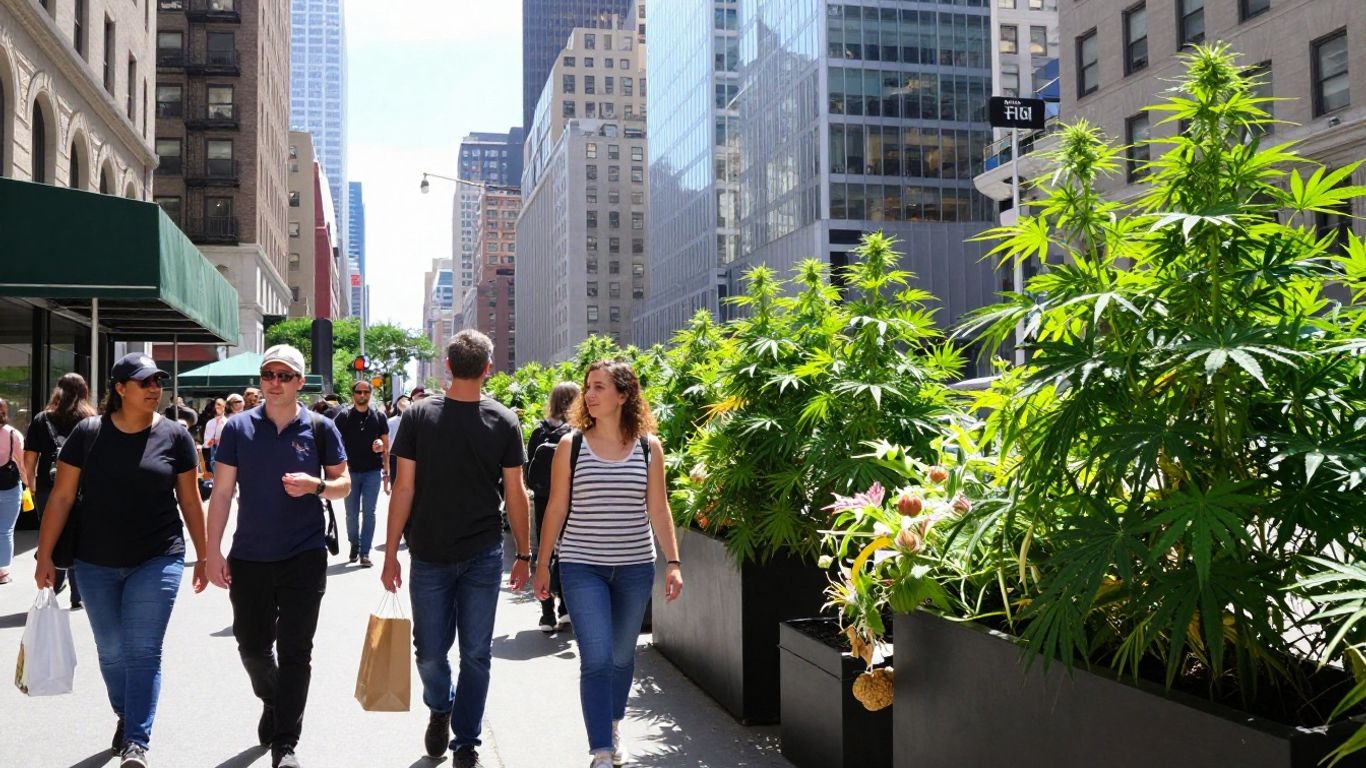
New York’s cannabis market is really starting to take shape, but it’s been a bit of a bumpy ride getting here. We’ve seen a lot of potential, with tons of product being grown and a growing number of licensed spots finally opening up. Still, there are some big questions about how fast things are moving, especially for the growers, and how all this stacks up against other states. Let’s break down what’s happening and what we can expect as New York’s weed scene continues to grow.
Key Takeaways
- New York’s cannabis market is experiencing significant growth, with sales reaching over $115 million in April 2025, showing a 134.5% year-over-year increase. However, the pace of the dispensary rollout has faced numerous delays and challenges.
- Cultivators are struggling with oversupply and falling wholesale prices due to the slow opening of licensed retail locations, leading to financial strain and uncertainty about where to sell their harvested product.
- Compared to other states like New Jersey and Maryland, New York’s sales figures have lagged significantly, prompting criticism of its rollout strategy, including delays in allowing medical operators to sell adult-use products.
- To speed things up, New York is looking at fast-tracking applicants with secured locations and exploring options like Growers’ Showcases to provide more immediate sales channels for licensed producers.
- While projected tax revenue is substantial, actual performance is currently impacted by factors like the persistent illicit market and the slow expansion of legal retail access, highlighting the need for continued efforts to boost sales and consumer access.
Navigating New York’s Evolving Dispensary Rollout
Initial Challenges and Speed Bumps
New York’s journey into the legal cannabis market hasn’t exactly been a smooth ride. When the state first started handing out licenses, there were a lot of delays. Lawsuits popped up, especially around who got priority for licenses. This meant that places that were ready to open couldn’t, and it really slowed things down for everyone involved. It felt like a lot of waiting around, which wasn’t great for businesses trying to get started. The initial rollout was definitely slower than many expected.
Comparing New York’s Progress to Other States
When you look at how New York is doing compared to places like New Jersey or even Maryland, it’s clear we’ve lagged behind. New Jersey, for instance, has seen way more sales from its dispensaries, even though they opened around the same time. Maryland also had a strong opening month. Critics point to a few missteps here, like how the state handled initial sales and didn’t let medical dispensaries start selling adult-use products right away. It seems like other states figured out a quicker path to getting shops open and selling products.
Addressing Criticisms of the Rollout Strategy
There’s been a lot of talk about the state’s strategy. Some folks feel the focus on certain applicants, while intended to help those impacted by past drug laws, created bottlenecks. Others argue that protecting smaller growers was the right move, even if it meant a slower start. The state is trying to fix this now. They’re speeding up applications for people who already have a location secured and are looking at ways for medical operators to get involved in adult-use sales. They’re also exploring things like growers’ showcases, which are basically pop-up markets, to help cultivators move their product. It’s a work in progress, and the state is trying to make adjustments based on what’s happening on the ground. The goal is to get more licensed retailers open and make it easier for people to find legal cannabis, like through this new online map licensed marijuana retailers.
The state is actively working to get more licensed dispensaries up and running. This includes fast-tracking certain applicants and finding new ways for growers to sell their products. The aim is to create a more robust and accessible legal market for everyone.
The Current State of New York’s Cannabis Market
So, what’s the deal with weed in New York right now? It’s a bit of a mixed bag, honestly. We’ve seen some real growth, but there are definitely still some kinks to work out. The market is expanding, but not as fast as some folks hoped.
Understanding Product Forms and Consumption Methods
When you walk into a dispensary (or check out an online menu), you’ll find a whole range of products. It’s not just about smoking anymore. You’ve got your classic flower, of course, but also edibles like gummies and chocolates, potent concentrates, and even drinks. For those who prefer not to inhale, there are tinctures, capsules, and topicals like lotions and balms. It really comes down to what you’re looking for and how you like to consume it.
Here’s a quick rundown of common forms:
- Flower: The dried buds of the cannabis plant, ready for smoking or vaporizing.
- Edibles: Foods and beverages infused with cannabis, offering a longer-lasting effect.
- Concentrates: Highly potent extracts, often used in vaping or dabbing.
- Tinctures & Oils: Liquid extracts taken sublingually (under the tongue) or added to food/drinks.
- Topicals: Creams, lotions, and balms applied to the skin for localized relief.
Key Compounds: THC and CBD Explained
When people talk about cannabis, they usually mention THC and CBD. These are the main players. THC is what gives you that high feeling. It’s also what people often turn to for things like pain relief or to help with appetite. CBD, on the other hand, doesn’t make you high. It’s more associated with helping with anxiety, inflammation, and sleep. Most products will list the amounts of both, so you know what you’re getting. You can find more details on specific products at licensed dispensaries, like those offering high potency cannabis.
Market Growth and Projected Expansion
New York’s cannabis market has seen some impressive sales figures lately. We’re talking millions of dollars in sales each month, and the numbers are trending upwards. This growth is a good sign, showing that more people are choosing legal, regulated products. While prices can fluctuate, the overall increase in sales volume is a strong indicator of consumer demand. The state is also working on revised regulations to help the industry grow. As more dispensaries get licensed and open their doors, this market is expected to keep expanding. Some projections even suggest over 625 licensed stores could be operating by the end of 2025. It’s a dynamic situation, and it’ll be interesting to see how it all shakes out, especially with new permits for things like low potency cannabis beverages potentially adding to the mix.
The legal cannabis market in New York is still finding its footing. While sales are growing and there’s a wide variety of products available, the pace of dispensary openings has been slower than anticipated. This has created challenges for growers and has led to a market that, while promising, is still working through its initial growing pains. The focus now is on increasing retail access and ensuring a stable supply chain.
Cultivator Concerns Amidst Slow Dispensary Rollout
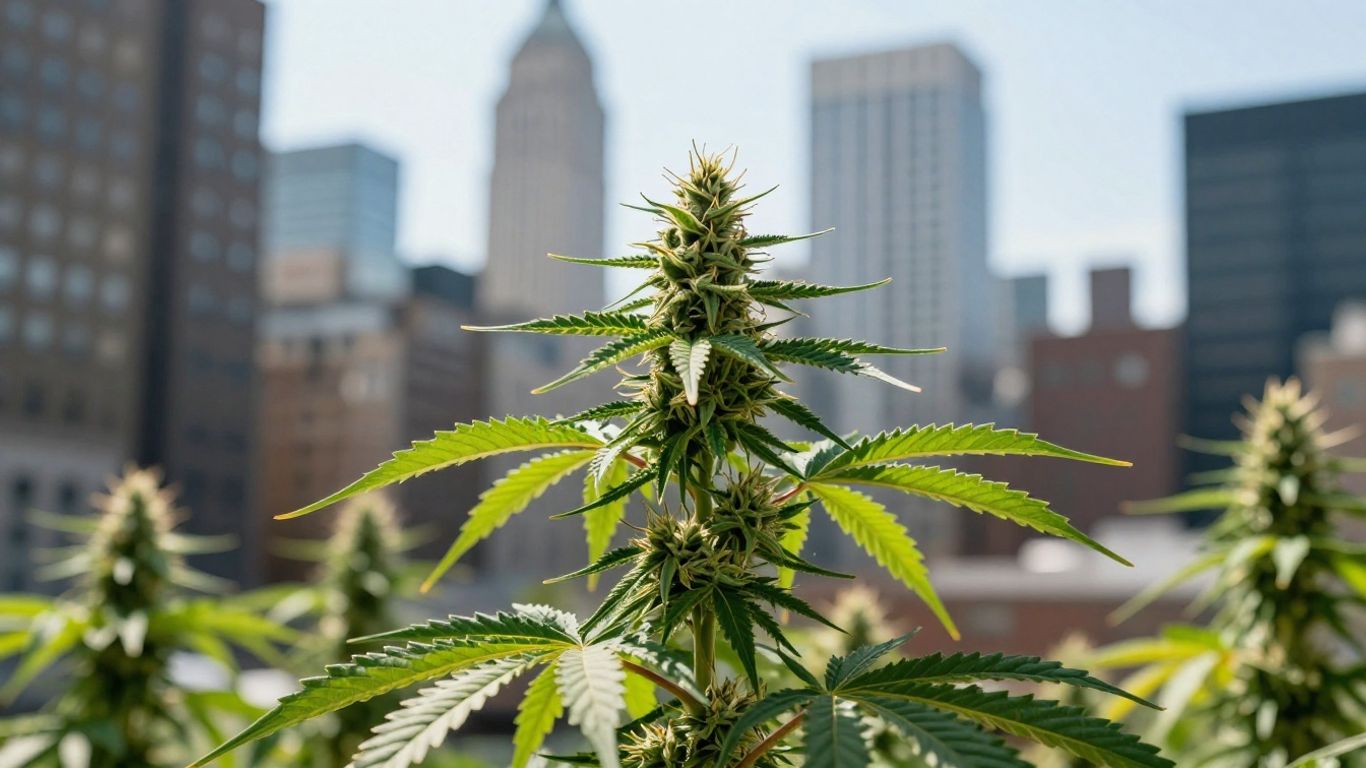
It’s a tough spot for the folks growing the cannabis in New York right now. While the state has been working to get adult-use dispensaries up and running, the pace has been slower than many expected. This has created a real bottleneck for cultivators who have invested heavily in their operations.
Oversupply and Wholesale Price Compression
With fewer retail outlets open than anticipated, a massive amount of cannabis is sitting unsold. Imagine growing a huge crop, only to have nowhere to sell it. That’s the reality for many New York growers. This oversupply naturally drives down wholesale prices. When there’s more product than buyers, sellers have to lower their prices to move inventory. This is squeezing profit margins hard. Some estimates put the first harvest’s value at hundreds of millions of dollars, but with prices dropping, that value shrinks fast. It’s a tricky situation, especially when you consider the costs associated with cultivation, testing, and storage.
The Impact of Limited Retail Access on Growers
The slow rollout of licensed dispensaries directly impacts growers’ ability to get their product to consumers. Many cultivators are licensed to produce significant amounts of cannabis, but without enough open retail doors, that capacity goes unused. This isn’t just about lost potential sales; it’s about the risk of product degradation or spoilage if it sits too long. The state has issued many cultivator licenses, but the number of operational retail dispensaries is still quite low. This imbalance means growers are holding onto inventory longer than they’d like, hoping for more retail openings. It’s a waiting game that many can’t afford to play indefinitely.
Exploring Solutions for Inventory Management
So, what can be done? Growers are looking for ways to manage their excess inventory. One potential avenue is through Growers’ Showcases, which are designed to provide direct retail access for cultivators. Another possibility involves bulk sales to tribal nations, which could offer an outlet for unsold cannabis. The state is also exploring different license types and tiers, separating supply from retail, which might eventually help balance the market. However, these are longer-term solutions. In the meantime, some growers are looking into processing their cannabis into other products, like edibles or concentrates, to add value and extend shelf life, though this requires additional licensing and investment. The goal is to find ways to move the product and recoup investments while the broader retail market catches up. Staying updated on the burgeoning cannabis industry in New York is key for growers trying to navigate these challenges.
Strategies to Accelerate the Dispensary Rollout
Fast-Tracking Location-Controlled Applicants
Look, nobody likes a slow start, and New York’s cannabis rollout has definitely had its share of delays. One way to speed things up is to give a closer look to applicants who already have a handle on their locations. Think about it: if someone has a spot secured and ready to go, they can probably get up and running faster than someone still searching for the perfect place. This could mean prioritizing those who’ve already sorted out zoning and lease agreements. It’s about cutting down on the waiting game for permits and inspections by focusing on those who’ve done their homework upfront. This approach could really help get more licensed dispensaries open their doors sooner rather than later.
Leveraging Medical Operators for Adult-Use Sales
New York’s medical marijuana program has been around for a while, and those operators have a lot of experience. Instead of making them wait years to get into the recreational market, why not let them start selling adult-use products sooner? They already know the rules, they have established businesses, and they’ve been serving patients. Allowing them to sell recreational cannabis could be a quick win for getting more legal products onto shelves. It’s a way to use existing infrastructure and knowledge to fill the gaps. Plus, it could help them diversify their business and contribute more to the state’s tax revenue. It’s a bit of a shift from the original plan, but sometimes you have to adapt when things aren’t moving as fast as you’d like. This is similar to what happened in Maryland, where medical operators joined the adult market on day one.
The Role of Growers’ Showcases in Market Access
With so much cannabis being grown and sitting in warehouses, there’s a real need for more sales outlets. Growers’ showcases, or similar pop-up style events, could be a temporary but effective solution. Imagine a designated space where licensed cultivators can directly sell their products to consumers or licensed retailers. This would help move inventory that’s currently just taking up space and costing growers money. It’s a way to create immediate market access without needing to build out permanent retail locations for everyone right away. These events could be held regularly, perhaps even at farms themselves, offering a unique experience for consumers and much-needed sales for cultivators. It’s a creative way to address the oversupply issue and keep the industry moving forward while permanent dispensaries get established. It’s a bit of a gamble, but with hundreds of millions of dollars worth of product waiting to be sold, something needs to change.
Revenue Expectations and Market Realities
So, let’s talk money. When New York first opened the doors to its legal cannabis market, the projections were pretty wild. We’re talking about potentially over a billion dollars in sales annually by 2025, according to some industry watchers. It sounds like a lot, and honestly, it is. But the reality on the ground is a bit more complicated than those initial forecasts suggested.
Projected Tax Revenue vs. Actual Performance
New York’s government has been reporting some decent tax revenue numbers, and they’re expecting that to keep climbing as more licensed shops pop up. They’ve put out figures suggesting millions in tax dollars collected, which is definitely a positive sign. However, it’s important to remember that these numbers are still playing catch-up to the initial, very optimistic, predictions. It’s a bit like expecting a huge payday and getting a solid paycheck instead – good, but not quite the jackpot some were hoping for.
Factors Affecting Sales Growth
What’s slowing things down? Well, a few things. For starters, the rollout of dispensaries has been slower than many anticipated. When you don’t have enough places for people to legally buy weed, sales naturally take a hit. Then there’s the issue of price compression. As more product becomes available, wholesale prices tend to drop, which affects everyone’s bottom line. And we can’t ignore the elephant in the room: the illicit market. It’s still a huge competitor, offering lower prices because it doesn’t have the same overhead or taxes.
Here’s a quick look at how sales have been trending:
| Month | Sales Volume (Approx.) | Year-over-Year Growth |
|---|---|---|
| March 2025 | $109.38 million | N/A |
| April 2025 | $115.64 million | 134.5% |
The consistent growth in sales, even with fluctuating prices, shows that consumers are increasingly choosing legal options. However, the pace of this growth is heavily influenced by how quickly the state can approve and open new retail locations and effectively curb unlicensed sales.
The Persistent Challenge of the Illicit Market
This is probably the biggest hurdle. Unlicensed sellers are everywhere, and they don’t play by the same rules. They don’t pay taxes, they don’t have to deal with the same testing and safety regulations, and they can often undercut legal prices significantly. Getting consumers to switch from these familiar, cheaper options to the legal market is a major uphill battle. It’s not just about having legal products available; it’s about making them competitive and accessible enough to draw people away from the established, albeit illegal, supply chain. For cultivators, this means a lot of product might be waiting around, hoping for certification and a spot on a dispensary shelf, like the situation described by Hudson Cannabis. The state is trying to crack down, but it’s a tough fight. We’re seeing efforts to get more dispensaries open, and hopefully, that will start to shift the balance, but it’s going to take time.
Future Outlook for New York’s Cannabis Industry
Anticipated Growth in Licensed Retailers
Things are looking up for New York’s cannabis scene. We’re seeing more dispensaries pop up, and that’s a good sign for everyone involved. The state is working to get more licenses out, which should mean more places to buy legal weed. This expansion is key to making sure people can actually find the products they want without having to go through shady dealers. It’s a slow process, but the trend is definitely towards more accessibility. We’re expecting to see a significant increase in the number of licensed retailers over the next couple of years, which will help stabilize the market and bring more people into the legal fold. It’s not just about more stores, though; it’s about making sure these stores are spread out and can serve all communities.
The Impact of Federal Policy Changes
What happens in Washington, D.C. could really shake things up for New York’s cannabis industry. There’s been talk for a while about changing how cannabis is classified federally. If it gets rescheduled, it could make things easier for businesses in a lot of ways, like with banking and taxes. Right now, businesses have to deal with some pretty weird rules because of how cannabis is treated federally. A shift in federal policy could really smooth out a lot of the current friction points. It might also open the door for more research and development, which could lead to new and better products for consumers. Of course, any federal changes will also come with their own set of rules and regulations that New York will have to adapt to. It’s a bit of a waiting game to see how it all plays out, but the potential for positive change is definitely there.
Achieving Market Potential and Consumer Expectations
New York’s cannabis market has a lot of potential, but it’s still finding its footing. We’ve seen some impressive sales figures, like reaching $168.1 million in sales in February 2024, which shows people are interested and buying. However, there are still hurdles to overcome. The illicit market remains a big competitor, and making sure consumers have a good experience with legal products is super important. We need to see more consistent product availability and fair pricing across the board. It’s about building trust and showing people that the legal market can deliver quality and value. The goal is to create a market that works for consumers, cultivators, and retailers alike, and that means continuous improvement and adaptation. It’s a complex puzzle, but the pieces are starting to fall into place, and the future looks promising for a more mature and stable cannabis industry in the Empire State.
The path forward involves a delicate balance: encouraging new retail growth while also addressing the persistent challenges posed by the unregulated market. Consumer education and consistent product quality will be key to solidifying the legal market’s position and meeting the diverse needs of New Yorkers.
Looking Ahead
So, what’s the takeaway from all this? New York’s weed market is definitely still finding its feet. We’ve seen a lot of product grown, but getting it to consumers has been a bumpy road with fewer stores open than many expected. It’s a bit of a puzzle, trying to balance helping out the farmers and growers with making sure everything is done right. We’ve seen some states do better with sales, and New York is trying to catch up by opening more licenses and cracking down on illegal shops. It’s going to take time, and we’ll have to keep an eye on things, maybe check back in mid-2024, to see if the market is finally moving in the right direction and living up to its potential. It’s a work in progress, for sure.
Frequently Asked Questions
Why are there not many weed stores open in New York yet?
Opening weed stores, called dispensaries, takes time. New York wants to make sure people who were harmed by old weed laws get a fair chance to open stores first. There have also been some legal issues and new rules to figure out, which has slowed things down a bit. But more stores are expected to open soon as the state works through these steps.
What’s the difference between THC and CBD?
THC and CBD are two main things found in cannabis. THC is what makes you feel ‘high.’ CBD doesn’t make you feel high, but some people find it helps with things like feeling anxious or having pain. Both can be used for different reasons.
Are there a lot of different ways to use cannabis?
Yes, there are many ways! You can eat it in things like gummies or cookies, put drops under your tongue, take it in a pill, or smoke it in a joint or vape. You can also put lotions or creams with cannabis on your skin.
Is New York selling as much weed as other states?
Not as much, compared to some other states that started selling legal weed earlier. States like New Jersey and Maryland have sold more weed than New York, even though New York has a bigger population. The state is working on speeding up the opening of more stores to help boost sales.
What happens to all the weed that farmers grow if stores don’t open fast enough?
This is a big problem. Farmers have grown a lot of weed, but with not many stores open, they can’t sell it all. Some of it might end up not being sold legally, or the price farmers get for it goes down a lot because there’s too much. The state is looking for ways to help farmers sell their crops, like special events where they can show their products.
Will legal weed be cheaper than the weed sold illegally?
That’s a goal, but right now, it’s not always cheaper. There are many taxes and rules for legal weed businesses. This can make the price higher. Also, the illegal market still exists and often sells weed for less. The state hopes that as more legal stores open and the market grows, prices will become more competitive.
[…] a name for themselves. We’ve even sprinkled in some keywords like Runtz, Apple Fritter, Wedding Cake, and GMO to see how they stack […]