

Microdosing Cannabis: What You Should Know
Learn about cannabis microdosing: what it is, how to determine your dose, methods, benefits, risks, and safe practices. Understand if it’s right for you.
Table of ContentsAuto-generated
Thinking about trying cannabis microdosing? It’s a practice that’s been popping up a lot lately, where people take tiny amounts of cannabis. The idea isn’t to get “high” in the traditional sense, but to maybe get some subtle benefits without the strong effects. We’re talking about doses so small you might not even feel them much, if at all. But what’s really behind this trend? Let’s break down what you need to know about cannabis microdosing.
Key Takeaways
- Cannabis microdosing involves taking very small amounts of THC, typically 1-5 mg, to potentially experience benefits without significant psychoactive effects.
- The ideal microdose is personal and depends on factors like body weight, metabolism, and individual sensitivity; starting low (1 mg) and increasing gradually is recommended.
- Methods for microdosing include tinctures, edibles, and vaporizing, each with different onset times and durations.
- Potential benefits may include reduced anxiety, pain relief, improved focus, and better sleep, though research is ongoing and individual results vary.
- Certain individuals, including those prone to anxiety or psychosis, pregnant or breastfeeding women, and those subject to drug testing, should avoid cannabis microdosing.
Understanding Cannabis Microdosing
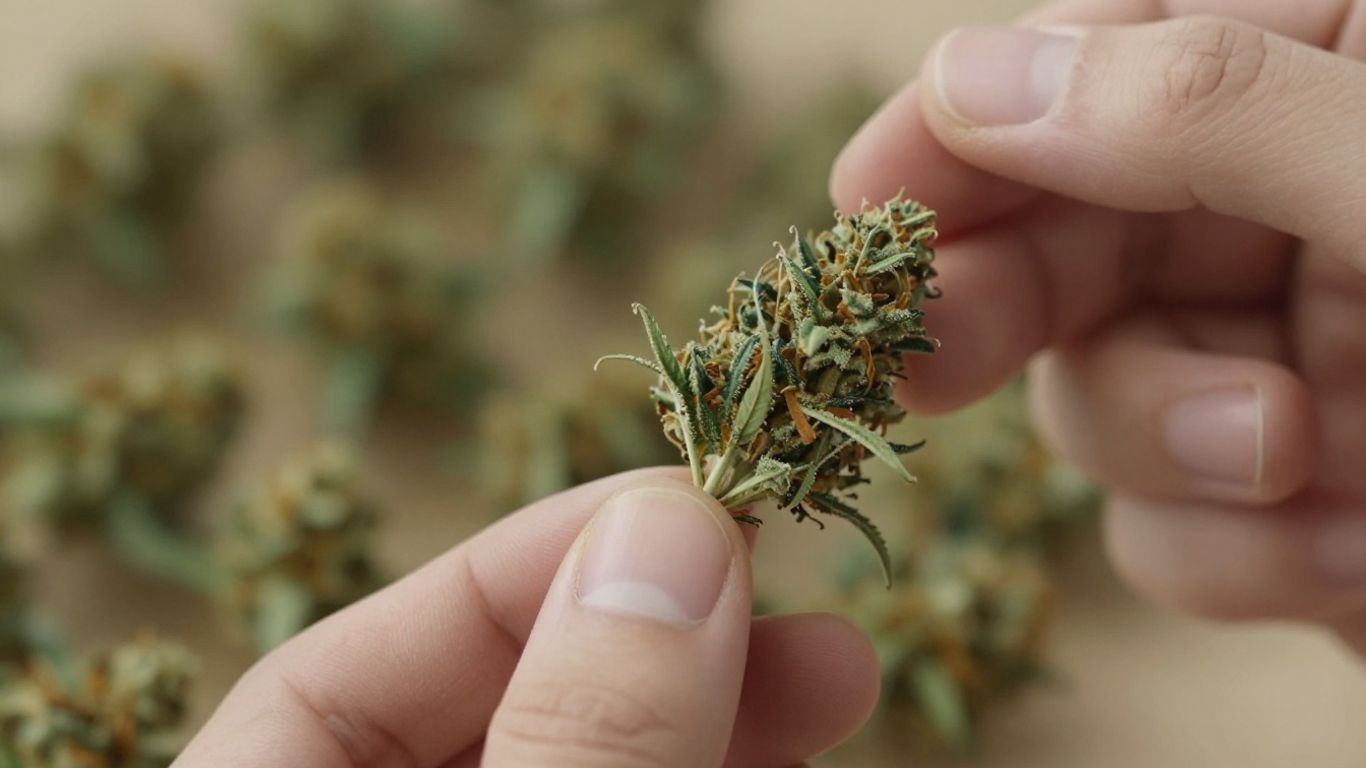
So, you’ve heard about microdosing cannabis, huh? It’s this idea of taking a really, really small amount of THC, so small you don’t really feel “high” from it. Think of it like taking just a tiny sip of something instead of a big gulp. The whole point is to get some of the good stuff – maybe a little mood boost or some help focusing – without the strong effects that can sometimes get in the way of your day. It’s a different way to approach cannabis, focusing on subtle shifts rather than a full-on experience.
What is Cannabis Microdosing?
Basically, cannabis microdosing is about consuming amounts of cannabis that are too small to cause noticeable psychoactive effects. We’re talking about doses that are sub-perceptual, meaning you might not even realize you’ve taken anything, but your body and mind might still be responding in subtle ways. People are exploring this for all sorts of reasons, from trying to manage daily stress to finding a bit more clarity when they need to concentrate. It’s a way to interact with cannabis that’s less about getting intoxicated and more about fine-tuning your well-being. Finding the right dose is key here, and it’s super personal, which we’ll get into later. It’s a practice that’s really about finding your personal balance with cannabis, aiming for therapeutic benefits without the impairment. You can learn more about microdosing cannabis.
How Does THC Affect The Body?
THC, or tetrahydrocannabinol, is the main compound in cannabis that gives you that “high” feeling. It works by interacting with your body’s own endocannabinoid system (ECS). This system is like a control center for a bunch of things, including your mood, how you feel pain, your appetite, and even how well you remember things. THC latches onto specific receptors in your brain, mainly the CB1 receptors. When it does this, it can change how your brain cells communicate, leading to different effects. In larger amounts, this can cause significant changes in perception and mood. But with microdosing, the idea is that you’re only gently nudging these receptors, not flooding them. This mild activation is thought to produce those subtle effects people are looking for, like a slight lift in mood or a bit more focus, without the strong mental fog or anxiety that can sometimes come with higher doses.
Why Are People Exploring Microdosing?
There are quite a few reasons why people are curious about microdosing cannabis. Many are looking for ways to manage everyday pressures. Think about feeling a bit overwhelmed or stressed out; a tiny dose might help take the edge off without making you feel drowsy or out of it. Others are interested in boosting their mental game. Some folks find that microdosing helps them focus better on tasks or sparks their creativity when they’re working on projects. It’s also being explored for sleep, with the hope of drifting off more easily. It’s important to remember that a lot of this is still being figured out, and experiences can really differ from person to person. The lack of official guidance means people are often figuring this out through trial and error, which is why understanding your own body’s response is so important. It’s a self-directed path for many, and the potential benefits are what draw people in to experiment with small amounts of THC.
The journey into microdosing is often a personal exploration, driven by a desire for subtle benefits without the drawbacks of larger doses. It requires patience and self-awareness to find what works best for you.
Determining Your Ideal Microdose
Figuring out the right amount of cannabis for microdosing can feel a bit like Goldilocks trying to find the perfect porridge – you don’t want too much, and you don’t want too little. It’s all about finding that sweet spot where you get the benefits without the unwanted buzz. This isn’t a one-size-fits-all situation; what works for your friend might not work for you. Several things play a role in how your body reacts, so a little patience and observation go a long way.
Standard Microdose Measurements
When we talk about microdosing cannabis, we’re generally referring to very small amounts of THC. Think low numbers here. A common starting point is around 1 to 2.5 milligrams (mg) of THC. Some people might go up to 5 mg, but that’s often considered the higher end of a microdose and might start producing noticeable effects for some. It’s important to remember that these are just general guidelines. The goal is to feel subtle effects, not to get high. For instance, a dose of 2.5 mg is often cited as a good starting point for mild relaxation without impairing your daily tasks. If you’re completely new to cannabis, even 1 mg might be enough to start with. Always check the product’s label for its THC content, as it can vary wildly.
Factors Influencing Your Personal Dose
So, why does your dose differ from someone else’s? A few key things are at play. Your body weight and metabolism are big ones; a larger person might need a bit more to feel the same effect as a smaller person. Your history with cannabis, or your tolerance, is another major factor. If you’ve used cannabis regularly, you’ll likely need a higher dose than someone who rarely touches it. Individual sensitivity to THC also varies a lot from person to person. Even things like what you’ve eaten that day or how hydrated you are can subtly influence how a dose affects you. Understanding these personal variables is key to finding what works best for you. It’s why starting low and going slow is the golden rule, especially when trying a new product like Sweet Mary Jane.
Finding Your Sweet Spot
Finding your personal sweet spot is an iterative process. It involves careful observation and a willingness to adjust. Here’s a practical approach:
- Start Low: Begin with the smallest dose you can manage, perhaps 1 mg or 2 mg of THC. It’s better to take too little and feel nothing than to take too much and feel overwhelmed.
- Wait and Observe: After taking your dose, give it time. Edibles, for example, can take anywhere from 30 minutes to two hours to kick in, and the effects can last for several hours. Smoking or vaping is much faster, but the effects are shorter-lived. Pay attention to how you feel physically and mentally over the next few hours. This guide has more on dose ranges and effects.
- Gradually Increase: If you don’t feel the desired subtle effects after a reasonable waiting period, you can try a slightly higher dose the next time. Increase by small increments, like 1 mg at a time.
- Track Your Experience: Keep a simple journal. Note the dose you took, when you took it, and how you felt afterward. Record any changes in mood, focus, pain, or sleep. This log will be incredibly helpful in identifying the dose that consistently gives you the results you’re looking for without negative side effects.
The journey to finding your ideal microdose is personal. It requires patience, self-awareness, and a methodical approach. Don’t be discouraged if you don’t hit the mark on the first try. It’s a process of discovery, and with careful attention, you can pinpoint the dosage that supports your well-being without unwanted impairment.
Methods for Cannabis Microdosing
When you’re looking to microdose cannabis, the way you consume it really matters. Different methods affect how quickly you feel the effects and how long they last. It’s not just about the dose itself, but also about how that dose gets into your system. Think of it like choosing between a quick sip of water or a slow drink from a big bottle – both hydrate you, but the experience is different.
Sublingual Tinctures
Tinctures are liquids, usually cannabis extract mixed with alcohol or oil, that you place under your tongue. This is a pretty popular method for microdosing because it offers a good balance. The tiny blood vessels under your tongue absorb the cannabinoids directly into your bloodstream. This means it kicks in faster than edibles, usually within 15 to 30 minutes, but it’s not as immediate as vaping. The effects tend to last a few hours. It’s a great way to get precise control over your dose. You can easily add just a drop or two to get to that perfect sub-perceptual level. When buying cannabis online, look for tinctures with clear dosage information to make sure you’re getting exactly what you expect [2456].
Edible Formulations
Edibles are cannabis products you eat, like gummies, chocolates, or baked goods. They’re known for their longer-lasting effects, which can be a plus for some people. However, they also have the slowest onset time. Because the cannabis has to go through your digestive system, it can take anywhere from 30 minutes to two hours to feel anything. This delay can sometimes lead people to take more than they intended, thinking it’s not working. For microdosing, this means you need a lot of patience and a very accurate dose. If you’re new to edibles, starting with a very low dose, like 1-2.5 mg of THC, is key. You can find a variety of edible options, from cookies to candies, when you explore reputable dispensaries [cbba].
Vaporizing Techniques
Vaporizing, often done with a vape pen or a dry herb vaporizer, involves inhaling cannabis vapor. This method provides the quickest onset of effects, often within minutes. Because the cannabinoids are absorbed directly into your lungs and then your bloodstream, the experience is very immediate. This speed can be beneficial for microdosing if you want to fine-tune your dose in real-time. If you take a puff and don’t feel much, you can take another small one fairly quickly. However, it’s also easy to overdo it if you’re not careful. Vaporizers are generally considered more discreet than smoking flower, and they offer a cleaner experience without combustion. When considering vapes, it’s important to understand the potency, as concentrated vape oils can be quite strong [49b0].
Choosing the right method for microdosing is about matching your needs with how the cannabis interacts with your body. Think about whether you need fast relief, long-lasting effects, or the most precise control over your intake. Each method has its own timeline and intensity, so picking the one that fits your lifestyle and goals is part of the process.
Potential Benefits of Microdosing
Managing Anxiety and Stress
Many people say that microdosing cannabis helps them stay level-headed when life gets tough. With just a small amount of THC, the nervous system can find a more steady rhythm, allowing tension to fade into the background. Some folks describe a subtle shift—less racing thoughts, more even moods, and a general sense of calm. For those looking for gentle relief without feeling disconnected, microdosing might seem easier to handle than larger amounts. The impact often depends on each person’s makeup or specific needs. More details on this topic are discussed in this summary of nervous system support through microdosing positive impact for stress reduction.
Alleviating Chronic Pain
Microdosing doesn’t erase pain, but it often softens the edges. People with ongoing discomfort sometimes use tiny doses throughout the day instead of single, bigger hits that come with side effects or clouded thinking. Benefits reported in pain management include:
- Fewer distracting aches during daily routines
- Support with inflammatory issues
- Less interruption of normal life from discomfort
Here’s a quick table comparing effects of microdosing versus standard doses for pain:
| Approach | Typical Dose | Most Common Experience |
|---|---|---|
| Microdosing | 1-5 mg THC | Subtle easing of pain, clear-headed |
| Standard Dosing | 10+ mg THC | Strong relief, but possible sedation, fog |
Some rare cannabis extracts, like live resin, may also provide extra relief for discomfort thanks to preserved terpenes (learn what makes live resin unique in this true-to-plant experience).
Enhancing Focus and Creativity
Microdosing is sometimes called a “productivity hack” by artists, engineers, or those in high-pressure jobs. Just a bit can bring fresh ideas or help with deep work, especially for people who find larger THC doses distracting. Common changes people mention:
- Increased interest in creative projects
- Less procrastination
- Fewer distractions
- Slight boost in motivation
Some people notice that the right microdose brings out new connections between thoughts, leading to creative sparks at work, in art, or even during routine tasks.
Improving Sleep Quality
Sleep is tricky. Too much THC often leaves people drowsy but can worsen quality in the long run. Microdosing, on the other hand, may:
- Shorten the time it takes to fall asleep
- Reduce nighttime awakenings
- Make mornings feel less groggy
There’s early research suggesting it might even hold off cognitive decline in certain cases, as seen in a small study of Alzheimer’s patients.
Everyone’s body is different. While plenty of folks find these small benefits worthwhile, the effects really do depend on individual biology, habits, and expectations.
Navigating The Risks of Microdosing
While the idea of microdosing cannabis sounds pretty appealing, it’s not all sunshine and rainbows. There are definitely some bumps in the road you should be aware of before you jump in. It’s easy to think that just because it’s a small dose, there are no downsides, but that’s not quite the case.
Unintended Psychoactive Effects
Even with microdosing, there’s always a chance you might take a bit too much. This can happen easily, especially since product labeling isn’t always super clear. You might end up feeling more than you bargained for, like a bit of paranoia, dry mouth, or feeling dizzy. It’s really about finding that sweet spot where you get the benefits without the unwanted buzz. If you’re new to this, starting with a very low dose, like 2 mg of THC, is a good idea. You can always add a little more later if needed, but you can’t take it back once it’s in your system. Remember, edibles can take a while to kick in, sometimes over an hour, so patience is key. Don’t be tempted to take more before you know how the first dose is affecting you [56e3].
The Placebo Effect
Sometimes, the effects we feel aren’t just from the substance itself, but from what we expect to feel. This is called the placebo effect. Some research suggests that a good chunk of the positive feelings people report from microdosing might be due to this expectancy, rather than the cannabis itself. It’s hard to tell if you’re genuinely experiencing a benefit or just convincing yourself you are. This is why keeping a journal to track your actual responses is so helpful.
Lack of Standardized Guidance
One of the trickiest parts of microdosing is that there aren’t really any official rules or guidelines. The amount that works for one person might be too much or too little for another. Plus, the way cannabis is regulated varies a lot, meaning the THC content in products can be inconsistent. This makes it tough to know exactly what you’re taking, which is a big deal when you’re trying to be precise with your dose. It’s a bit of a wild west out there, so you have to be extra careful and do your homework.
It’s important to remember that research into microdosing is still pretty new. While some people report great results, other studies haven’t found clear evidence of benefits, especially when compared to a placebo. This means that while you might feel better, it’s not always guaranteed to be the cannabis working its magic.
For instance, some studies looking at cognitive function haven’t shown improvements with microdosing, and in some cases, have even shown a decline [7a73]. It’s a good reminder to approach microdosing with realistic expectations and to be mindful of how it affects you personally. If you’re driving, be aware that cannabis use is associated with an increased risk of accidents [7182].
Safe Practices for Microdosing
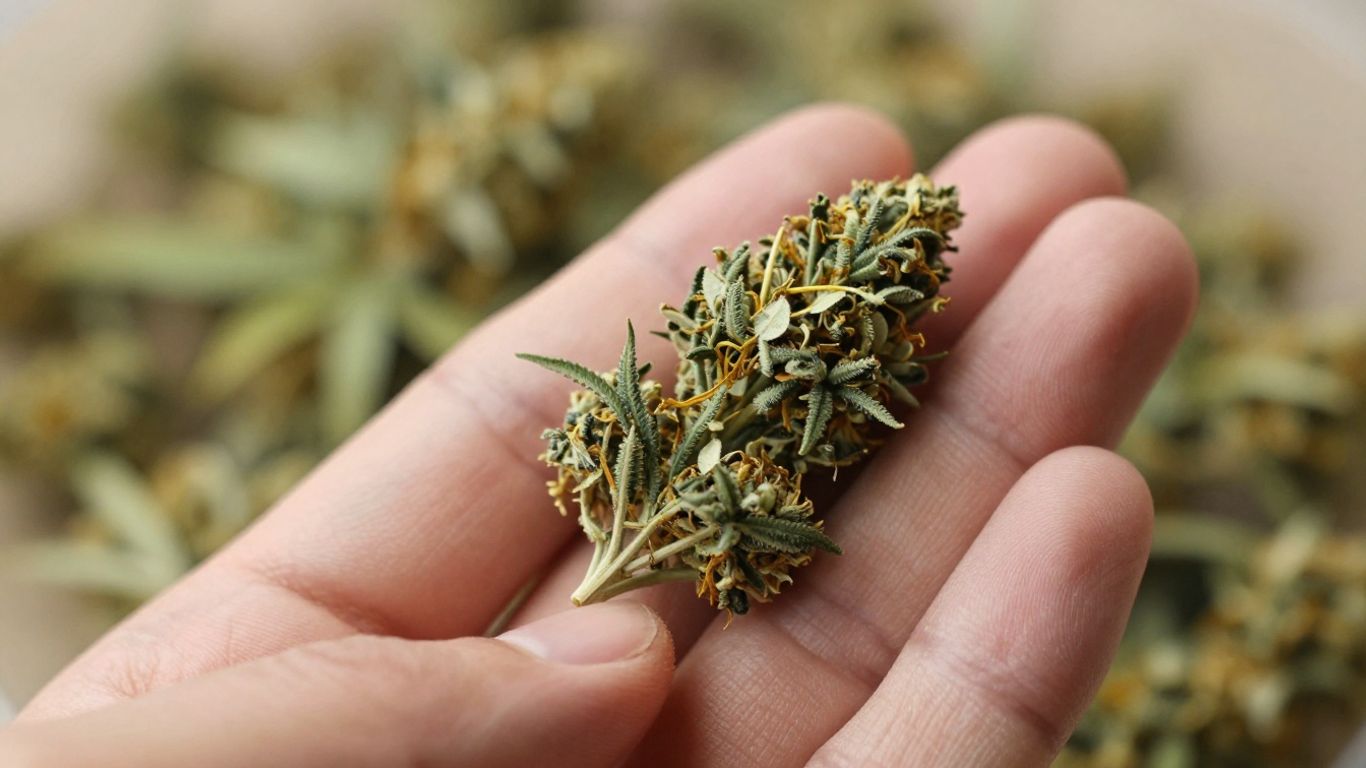
When you’re getting into microdosing cannabis, it’s really important to be smart about it. You don’t want to jump in headfirst and end up feeling more stressed than before you started. Think of it like learning to swim; you start in the shallow end, right?
Starting With A Minimal Dose
This is probably the most critical step. Seriously, start low. We’re talking about a dose so small you might not even feel anything at first. This isn’t about getting high; it’s about finding that sweet spot. For many, this means starting with just 1-2.5 milligrams of THC. It might sound tiny, but it’s the best way to see how your body reacts without any surprises. Remember, THC product labeling can be all over the place, so you can’t always trust what it says. It’s better to be safe than sorry when you’re figuring out your personal dose.
Gradually Increasing Your Intake
Okay, so you’ve taken your tiny starting dose and felt… well, maybe not much. That’s fine! Now, you wait. Give it a couple of days, maybe even a week. If you feel like you could handle a little more, then and only then do you increase the dose slightly. Maybe add another milligram or two. The key here is patience. You’re not in a race. The goal is to find a dose that gives you the subtle effects you’re looking for without any unwanted side effects. This slow and steady approach helps you avoid accidentally taking too much, which can happen surprisingly easily.
Tracking Your Responses
This is where a little notebook or a notes app on your phone comes in handy. You really need to keep a log of what you take, when you take it, and how you feel afterward. Note down things like your mood, your focus levels, any physical sensations, and if you notice any changes in your sleep. This information is gold. It helps you see patterns and understand what works best for you. Without tracking, it’s easy to forget what dose you took last week or why you felt a certain way. It’s all about gathering data on your own experience to make informed decisions about your microdosing journey. This methodical approach is key to experiencing the potential benefits of microdosing weed without the guesswork.
It’s easy to get caught up in what others are doing or what you’ve read online, but everyone’s body chemistry is different. What works for your friend might not work for you, and that’s perfectly okay. Focus on your own journey and listen to your body above all else. This personalized approach is the safest way to explore what microdosing has to offer.
Who Should Avoid Microdosing
While the idea of microdosing cannabis might seem appealing for its potential benefits, it’s not for everyone. Some folks really should steer clear, or at least talk to a doctor first. It’s all about knowing your own body and any existing health stuff you’ve got going on.
Individuals Prone to Anxiety or Psychosis
If you’ve got a history of experiencing severe anxiety or have ever dealt with psychosis, microdosing cannabis might not be the best move. Even small amounts of THC can sometimes trigger or worsen these conditions. It’s a bit of a gamble, and for some, the risk just isn’t worth it. Remember, even low doses can have unpredictable effects on certain individuals, especially those with a predisposition to mental health challenges. It’s important to be aware of how cannabis affects mental health.
Those With A History of Substance Use
People who have struggled with substance use in the past might find that microdosing cannabis could open the door to old habits. It’s a slippery slope for some, and it’s better to err on the side of caution. If you’re working on staying clean, it’s probably best to avoid substances that could potentially lead you back down a difficult path.
Pregnant or Breastfeeding Individuals
This one’s pretty straightforward. If you are pregnant or nursing, it’s a definite no-go for cannabis microdosing. The potential effects on the developing baby or infant are not well understood and are generally considered too risky. Best to stick to what’s known to be safe during this critical time.
People Subject to Drug Testing
This might seem obvious, but it’s worth mentioning. If your job requires drug testing, or if you’re facing legal situations where drug tests are a factor, microdosing cannabis is a bad idea. Even trace amounts can show up on a test, leading to serious consequences. It’s not worth the risk if your livelihood or legal standing is on the line. You don’t want to end up in a situation like the one described regarding online scams where things aren’t as they seem.
It’s really important to remember that the cannabis market isn’t always straightforward. Product labeling can be all over the place, and without clear standards, it’s hard to know exactly what you’re getting. This lack of regulation means that even with microdosing, you might not be getting the precise dose you think you are, which can lead to unexpected outcomes.
Here’s a quick rundown:
- High Anxiety/Psychosis History: Avoid or consult a professional.
- Substance Use History: Best to steer clear.
- Pregnancy/Breastfeeding: Absolutely avoid.
- Drug Testing: Not worth the risk.
So, Should You Try Microdosing THC?
Look, microdosing THC is still pretty new territory for a lot of people. While some folks report feeling a bit better with anxiety, focus, or sleep, the science isn’t all there yet. It’s kind of a personal experiment, and what works for one person might not do anything for another. Plus, figuring out the exact dose can be tricky because products aren’t always labeled clearly. If you’re thinking about it, start super low, pay attention to how you feel, and maybe chat with your doctor first, especially if you have any health concerns or take other meds. It’s not a magic fix, but for some, it might offer a subtle nudge in the right direction.
Frequently Asked Questions
What exactly is microdosing cannabis?
Microdosing cannabis means taking a really small amount of THC. It’s so little that you don’t feel the strong ‘high’ that usually comes with cannabis. The idea is to get some subtle good effects without feeling out of it.
How much THC is in a microdose?
A typical microdose is usually between 1 to 5 milligrams of THC. For comparison, a regular dose in many cannabis products can be 10 to 20 milligrams. It’s a tiny amount, meant to be just enough to potentially help without causing major changes in how you feel or think.
Why would someone try microdosing THC?
People explore microdosing for various reasons. Some hope it can help them feel less anxious or stressed, others use it to manage ongoing pain. Some also find it helps them concentrate better or feel more creative, and a few use it to try and improve their sleep.
How do I figure out the right dose for me?
Finding your perfect microdose is personal. Things like your body weight, how your body processes things, and if you’ve used cannabis before all matter. It’s best to start with a very small amount, like 1 mg, and slowly increase it bit by bit until you find what works best for you without causing unwanted effects.
Are there any risks or downsides to microdosing?
Even with small doses, there’s a chance you might feel some effects you didn’t expect, like feeling a bit too anxious. Also, because there aren’t strict rules for making these products, it can be hard to know the exact amount of THC you’re getting. Sometimes, people might feel effects just because they expect to, which is called the placebo effect.
Who should probably avoid microdosing cannabis?
Some people should be careful or stay away from microdosing. This includes individuals who tend to get very anxious or have had issues with psychosis, those who have a history of drug or alcohol problems, and women who are pregnant or breastfeeding. Also, if you have to take drug tests for work or legal reasons, it’s best to avoid it.
[…] the best THC for sleep strains like Granddaddy Purple, Northern Lights, and Bubba Kush. Find relief for insomnia and relax into a restful […]