

Michigan’s Cannabis Gold Rush: Why Everyone’s Talking About Midwest Bud
Michigan’s legal market faces a cannabis price collapse. Explore market dynamics, strain quality, and competitive pressures.
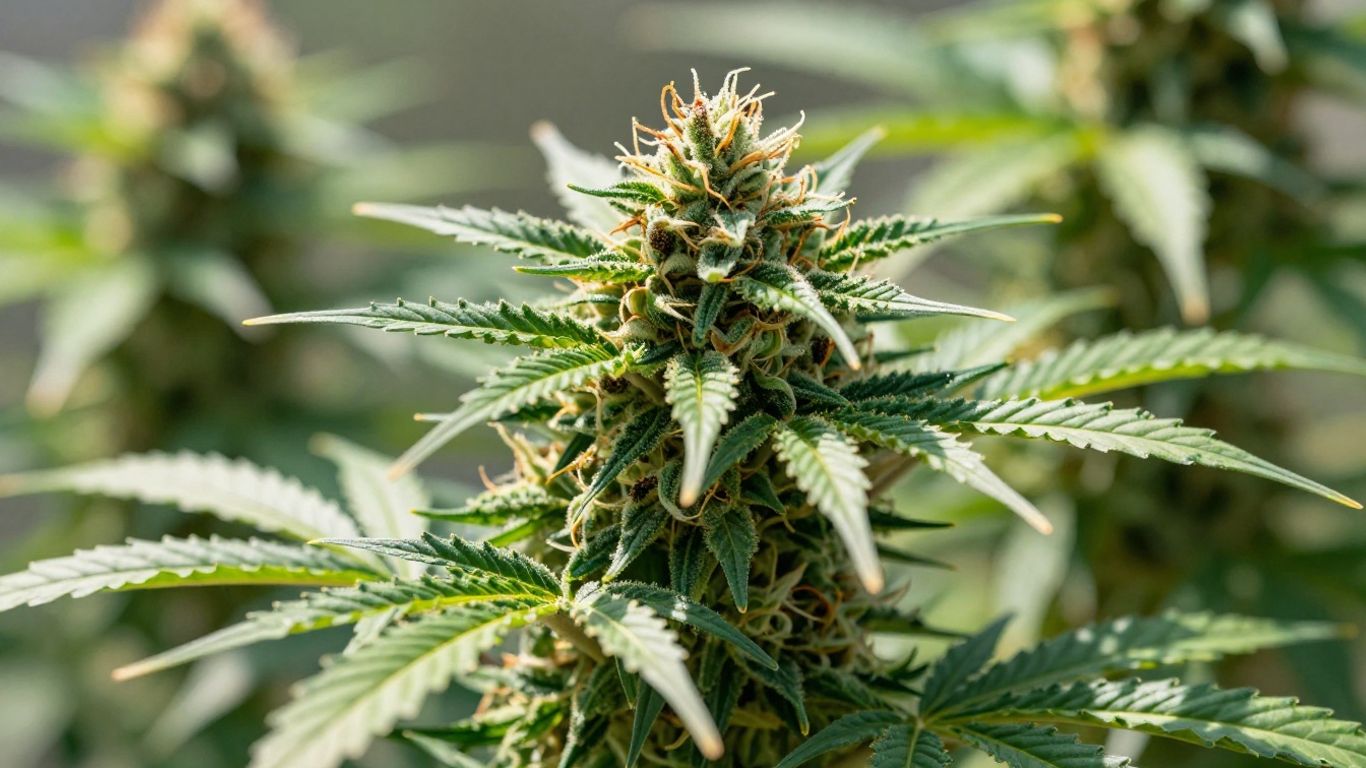
Michigan’s cannabis market is going through some big changes. It’s like a gold rush that’s suddenly hit a snag. Prices are way down, and while that’s great for shoppers, it’s making things tough for the companies growing and selling the weed. Plus, with other states starting their own legal markets, Michigan is feeling the heat. Let’s break down what’s really happening with Midwest bud.
Key Takeaways
- Michigan’s legal market for cannabis is seeing a major price drop due to oversupply, making it cheaper for consumers but harder for businesses to profit.
- The state has a huge amount of cannabis flower stored, far more than can be sold quickly, leading to rock-bottom wholesale prices.
- Ohio’s new recreational market could take away customers from Michigan, especially from border towns that have relied on out-of-state buyers.
- Businesses are shifting focus from just selling a lot of product to improving strain quality and creating unique items to stand out.
- The industry is likely to see more companies merge or close as it matures, leading to a more stable, though possibly smaller, market.
Michigan’s Cannabis Market Dynamics
The Shifting Landscape of Legal Market Sales
Michigan’s cannabis market, once a rocket ship of growth, is definitely showing signs of slowing down. For a while there, it felt like every month was a new record for sales, with the state even outperforming places like California. But lately, things have shifted. After hitting a peak in the fall, sales have actually dipped for a few months straight. It’s not a collapse, but it’s a noticeable change from the breakneck pace we saw earlier. This leveling off is a sign that the market is starting to mature, moving past that initial explosive phase. It’s a big change from the early days when buying legal weed was still a novelty for many.
Understanding the Current Market Correction
So, what’s behind this shift? A big part of it is simply market correction. No industry can keep growing at the rates Michigan saw for years on end. Think of it like a popular new restaurant – it gets packed initially, but eventually, it settles into a more steady flow of customers. The same is happening here. We’re seeing sales figures that are still impressive, but the growth has slowed considerably. This isn’t necessarily a bad thing; it means the market is becoming more stable and predictable. It’s a natural part of any industry’s lifecycle, moving from a frantic gold rush to a more established business environment. The state’s total sales in January 2026, for example, were $231.5 million, which is still a huge number, but it reflects this new reality
Impact of Oversupply on Pricing
One of the most talked-about issues right now is the oversupply of cannabis. When there’s just too much product on the market, prices naturally start to fall. We’ve seen a pretty dramatic drop from the early days when an ounce could cost well over $500. Now, consumers are finding much more affordable options. This oversupply is a direct result of so many businesses entering the market, all trying to grow and sell their product. It’s created a buyer’s market, which is great for shoppers but tough for the businesses trying to make a profit. This situation is putting pressure on cultivators and dispensaries alike, forcing them to rethink their strategies to stay competitive. The market is definitely feeling the squeeze, and it’s changing how businesses operate.
The current market correction, marked by slowing sales growth and significant price drops, is a natural evolution for Michigan’s cannabis industry. While challenging for businesses, it presents a more stable and affordable landscape for consumers, signaling a move towards market maturation rather than a collapse.
The Price Collapse: A Boon for Consumers
Remember when buying an ounce of cannabis felt like a major financial commitment? Those days are largely behind us in Michigan. The state’s legal market has seen a dramatic drop in prices, making it way more affordable for everyday folks to get their hands on bud. This price collapse is a huge win for consumers, turning what was once a premium purchase into a budget-friendly option.
It’s a wild swing from just a couple of years ago. Back then, you might have been looking at prices that felt more like a car payment. Now, people are joking that it’s more like buying an extra pizza. This shift means more people can access cannabis without breaking the bank. It’s a real windfall for shoppers, offering a much wider range of affordable choices.
From Premium Prices to Affordable Bud
We’ve gone from a market where premium prices were the norm to one where you can find deals that were unthinkable just a short while ago. The average price for an ounce of flower has been slashed by nearly half since 2023. This trend really picked up steam after a tax hike, which might sound counterintuitive, but the sheer volume of product available has driven prices down even further. It’s a strange economic situation, but good for your wallet.
Consumer Windfall and Budget-Friendly Options
For consumers, this means more bang for your buck. You can now find ounces for around $100 or vape carts for $10, items that used to cost three times as much. It’s a fantastic time to be a shopper in Michigan, with plenty of budget-friendly options available. This accessibility is a major draw for both new and existing customers.
The Impact on Cultivators and Dispensary Owners
While consumers are celebrating, the people growing and selling the cannabis are feeling the squeeze. Many businesses expanded rapidly, anticipating continued high prices. Now, with oversupply driving prices into the ground, profits are shrinking fast. It’s a tough environment, and some companies are already having to scale back or even close their doors. This market correction is creating a challenging landscape for cultivators and dispensary owners alike, forcing them to rethink their strategies to survive in this new economic reality. The state’s cannabis sales have seen a dip recently, partly due to weather, but also because of these price pressures and potential tax changes [947b]. The market is definitely in a state of flux, and the impact of tax changes on sales is a significant factor [73ae].
The sheer amount of cannabis being produced has outpaced demand, leading to a massive surplus. This oversupply is the primary reason prices have plummeted, creating a buyer’s market that’s incredibly beneficial for consumers but incredibly difficult for businesses trying to turn a profit.
Neighboring Markets and Competitive Pressures
Michigan’s cannabis market isn’t operating in a bubble, you know. For a long time, a big chunk of sales came from folks driving in from out of state, especially from Ohio. You’d see tons of Ohio plates in dispensary parking lots near the border, like in Monroe or Morenci. Michigan’s lower prices and legal status made it a go-to spot for many Ohioans. This cross-border traffic really helped make Michigan the Midwest’s top marijuana market, and a lot of businesses set up shop strategically to catch that wave.
Ohio’s Emerging Recreational Market
But things are changing. Ohio voters said yes to recreational cannabis in November 2023, and sales are expected to start sometime in 2025. This is a pretty big deal and could definitely take a bite out of Michigan’s market share. Stores right on the state line are already bracing for fewer out-of-state customers. Some officials estimate that a huge portion of their business comes from Ohioans, so if those customers can buy legally at home, it’s likely many will. It’s a classic case of competition heating up.
Michigan’s Edge in the Midwest
Don’t count Michigan out just yet, though. Ohio’s market will take time to get going. Experts figure it could be a year or two before they have a solid network of stores and prices that can compete. Right now, medical marijuana in Ohio is way more expensive than Michigan’s recreational stuff. So, for a while, Michigan’s border towns will probably still see plenty of Ohio shoppers looking for a better deal. It wasn’t always this cheap in Michigan either; prices used to be much higher. But for now, Ohio is struggling to match the deals available here. Michigan businesses might have a bit of a grace period, but they know they need to keep their prices competitive and focus on what makes them stand out.
Michigan’s Cannabis Border Communities Brace for Change
Communities that have benefited from cannabis tax money, like those in Monroe Township that funded new playgrounds, are definitely aware of the coming shift. They’re watching closely to see how Michigan businesses will react. Expect Michigan operators to really push their quality, variety, and those low prices to keep customers loyal. Some might even look at expanding into other states if their local market starts to shrink. It’s all about adapting to the new landscape. The state itself is also looking at policy adjustments, like possibly pausing new grow licenses to prevent the market from getting too flooded. It’s a balancing act for regulators, trying to manage the industry’s growth without causing a total crash. The goal is to move towards a more stable market, not just a quick boom and bust. For consumers, this means more affordable options, but for businesses, it’s a wake-up call to operate smarter and focus on what truly matters. Staying informed about these shifts is key for everyone involved in the Michigan cannabis industry.
The economic impact on local communities is significant. Areas that once saw commercial rents rise due to cannabis businesses are now facing potential vacancies if businesses can’t adapt to the changing market dynamics. This highlights the interconnectedness of the industry with local economies and real estate.
Focus on Strain Quality and Product Innovation
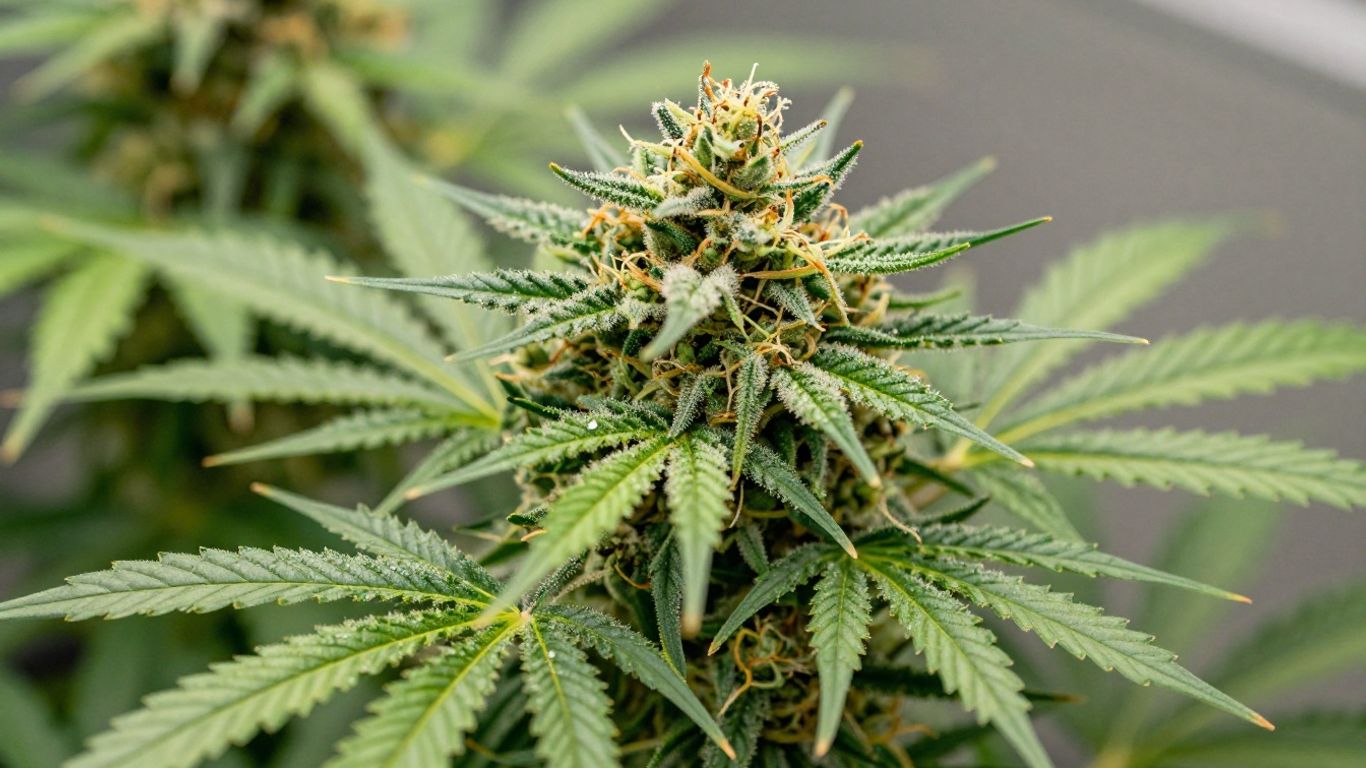
With the market flooded and prices dropping, simply pushing out more flower isn’t the winning strategy anymore. Businesses are realizing they need to get smarter, focusing on what makes their products stand out. It’s not just about how much THC is in the bud, but the whole experience. This shift means cultivators and brands are really digging into what makes a strain special.
Diversifying Offerings Beyond Flower
While flower is still king for many, the industry is seeing a big push into other product types. Think about edibles, vapes, concentrates, and topicals. Companies are getting creative, using different parts of the plant and developing unique formulations. This not only appeals to a wider range of consumers but also helps use up excess product and create new revenue streams. It’s about giving people options, whether they want a quick hit from a vape or a long-lasting effect from an edible. The market for edibles, for instance, has been steadily growing as people look for alternatives to smoking [f51f].
The Rise of Craft Strains and Niche Products
Forget the generic, mass-produced stuff. The real buzz is around craft strains and niche products. This means growers are experimenting with unique genetics, focusing on specific terpene profiles that offer distinct flavors and effects. It’s like the craft beer movement, but for cannabis. Consumers are becoming more educated and are seeking out these special, small-batch products. This is where you find those strains with names you might not recognize but that deliver a truly memorable experience. Finding that perfect, unique strain is becoming a treasure hunt for enthusiasts.
Balancing Volume with Superior Strain Quality
So, how do you grow a lot of cannabis without sacrificing quality? That’s the million-dollar question. It’s a tough balancing act. Some growers are investing in better technology and more controlled environments to ensure consistency, even when producing large quantities. Others are focusing on strains that are naturally more resilient and maintain their quality over time [65ee]. The goal is to produce enough to meet demand but to do it in a way that doesn’t compromise the actual quality of the cannabis. It’s about making sure that even the most common strains are grown and cured properly, paying attention to details like humidity control to preserve flavor and potency [f51f]. When evaluating Michigan cannabis flower, the focus extends beyond just THC percentages to encompass the complete profile of each strain, ensuring a comprehensive understanding of its quality [9ea5].
Navigating the Evolving Legal Market

The cannabis industry in Michigan is going through some big changes, and it’s not always smooth sailing. Think of it like trying to fix a leaky faucet – sometimes you make it worse before it gets better. Policy adjustments and regulatory shifts are happening constantly, and businesses have to be ready to adapt.
Policy Adjustments and Regulatory Outlook
Lately, there’s been a lot of talk in Lansing about how to handle the market’s ups and downs. Some folks are suggesting we pause new grow licenses to stop the market from getting too flooded. It’s a tricky balance, right? You want to let businesses grow, but not so much that everyone struggles. There’s even been talk about new taxes, like a wholesale tax on cannabis, which has definitely raised some eyebrows. The state is trying to figure out the best way forward, and how they handle these rules will really shape where the industry goes next. It’s a complex situation, and keeping up with the latest news is key.
Consolidation and Business Survival
With all this market pressure, you’re starting to see some businesses either merge, get bought out, or unfortunately, close their doors. It’s a tough time for many, and the days of just opening up shop anywhere are fading. We might end up with fewer, but stronger, companies. It’s a bit like when the craft beer scene got crowded; only the best and most efficient businesses really stuck around. This consolidation isn’t necessarily a bad thing; it can lead to a more stable market in the long run. The state’s legal cannabis sales saw a dip in January, partly due to a new wholesale tax, showing just how sensitive the market is to these changes [cd6e].
Community Impact and Local Support
Even with all the business shifts, it’s important to remember that this industry is local and affects our communities. Whether you’re a regular consumer or just someone who cares about the local economy, staying informed matters. Supporting local dispensaries and Michigan-based brands is a good way to keep dollars in the state. Many shops are running deals to attract customers, which is a win-win. It’s about building a sustainable cannabis community right here in Michigan. The industry’s success helps fund local projects and creates jobs, so it’s worth nurturing. As the market matures, focusing on community ties will be more important than ever [952d].
The market is definitely changing, and businesses need to be smart about how they operate. It’s less about a wild gold rush and more about building something solid for the future. Consumers have gotten used to better prices, and businesses need to find ways to compete while still making a profit. It’s a balancing act, for sure.
Here’s a look at how sales have been affected by recent tax changes:
| Month | Sales (approx.) | Change from Previous Month |
|---|---|---|
| December 2025 | $270 million | – |
| January 2026 | $227 million | -16% |
This drop highlights the impact of new regulations and the need for careful policy decisions [1d91].
The Future of Michigan’s Cannabis Industry
Market Maturation, Not Collapse
The days of explosive, double-digit growth in Michigan’s cannabis market are likely behind us, but that doesn’t mean the industry is collapsing. Instead, it’s settling into a more mature phase. Think of it less like a gold rush ending and more like a boomtown becoming a stable city. We saw incredible expansion, and now the market is finding its footing. This shift means fewer wild swings and a more predictable business environment. The focus is moving from rapid expansion to sustainable operations. It’s a natural progression for any industry that experiences a sudden surge in demand and investment. The market is still one of the largest in the country, and consumer interest isn’t going anywhere.
Stabilizing Prices and Sustainable Growth
While prices have dropped significantly, there are signs they’re starting to level out. This stabilization is good news for businesses trying to plan ahead. It also means consumers can expect more consistent pricing, even if we don’t see a return to the super-high prices of the early days. The industry has learned that affordability keeps customers coming back. For cultivators and dispensaries, this means finding efficiencies and focusing on quality to stand out. It’s about building a business that can last, not just one that casters to a temporary frenzy. Some businesses are already looking at ways to diversify, perhaps by focusing on craft strains or exploring different product types beyond just flower. This kind of innovation is key to long-term survival and growth.
The Enduring Appeal of the Legal Market
Despite the ups and downs, Michigan’s legal cannabis market continues to attract a lot of attention. The state has a strong consumer base, and with neighboring states like Ohio opening up their own recreational markets, the competitive landscape is always shifting. Michigan’s established infrastructure and experienced businesses give it an edge in the Midwest. However, staying competitive means constantly adapting. Policy changes, like the new wholesale tax, can create challenges, but they also push the industry to innovate. It’s a dynamic situation, and businesses that can adapt to new regulations and consumer demands will be the ones that thrive. Supporting local Michigan brands is also becoming more important as the market matures, helping to keep the economic benefits within the state. You can find trusted brands like those mentioned by Greenleaf Genetics at licensed dispensaries across the state.
The market is evolving, not dying. The frenzied gold rush days may be cooling, but a more sustainable, community-integrated industry can emerge from the turbulence. For consumers, buying legal weed now feels almost routine. For businesses, it’s time to focus on smart operations, not just land-grab expansion.
The Road Ahead for Michigan Bud
So, what’s the takeaway from Michigan’s cannabis journey so far? It’s clear the wild west days of the initial gold rush are winding down. We’re seeing a market mature, with prices dropping and businesses needing to be smarter about how they operate. It’s not necessarily the end of the boom, but more of a shift. For consumers, this means more affordable options, which is pretty great. But for the businesses, it’s a tougher landscape. We’re also watching Ohio’s new market closely; it’ll definitely change things for Michigan’s border towns. Ultimately, Michigan’s cannabis industry is still a big deal, creating jobs and revenue. The key now is finding a stable path forward, focusing on quality and smart business practices, and remembering that supporting local growers and shops helps keep Michigan’s cannabis scene strong.
Frequently Asked Questions
Why are cannabis prices in Michigan so much lower now?
It’s mostly because there’s way too much cannabis being grown, known as oversupply. Think of it like having way more apples than people want to buy. To sell their crops, growers have to lower their prices a lot. This is great for shoppers but tough for the people growing the weed.
Is Michigan’s cannabis market collapsing?
It’s not really collapsing, but it’s definitely changing. The super-fast growth has slowed down, and prices have dropped a lot. This means some businesses might struggle or close, but it also means the market is becoming more normal and stable, which is good for shoppers.
How will Ohio legalizing recreational marijuana affect Michigan?
Since Ohio has now made recreational marijuana legal, many people who used to drive from Ohio to Michigan to buy weed might now buy it in their home state. This could mean fewer sales for some Michigan stores, especially those near the Ohio border. Michigan businesses might need to focus on keeping their prices low and quality high to attract customers.
Are businesses closing because of the price drops?
Yes, some cannabis businesses are having a hard time. When prices fall and there’s too much product, it’s hard for growers and sellers to make enough money to cover their costs. This has led to some companies cutting back or even closing down.
What does ‘market correction’ mean for Michigan cannabis?
A ‘market correction’ means the industry is adjusting after a period of really fast growth. It’s like when a popular toy sells out everywhere, and then suddenly there are too many, and the price goes down. The market is finding a more balanced point where supply and demand are closer, and prices are more realistic.
What’s next for Michigan’s cannabis industry?
The industry is likely to become more mature. Prices might go up a little from their lowest point, but they probably won’t go back to being super high. Businesses will need to focus on making good quality products and operating efficiently to succeed. It’s becoming less of a ‘gold rush’ and more of a regular business
[…] Some folks feel the focus on certain applicants, while intended to help those impacted by past drug laws, created bottlenecks. Others argue that protecting smaller growers was the right move, even if it […]