
Medical Marijuana: A Comprehensive Guide to Benefits, Uses, and Safety
Medical marijuana, also known as medical cannabis, has emerged as a transformative treatment option for patients seeking relief from chronic pain, anxiety, epilepsy, and other conditions. As research and legal frameworks evolve, more individuals are exploring this natural remedy under the guidance of healthcare professionals. This page serves as an authoritative resource to help you understand the science, legality, and practical applications of medical marijuana, while addressing common questions to support informed decisions.
What is Medical Marijuana?
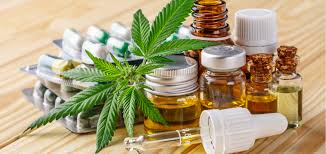
Medical marijuana refers to the use of the whole cannabis plant or its extracts to treat specific medical conditions. Unlike recreational cannabis, medical marijuana is prescribed by licensed healthcare providers to manage symptoms and improve quality of life. The plant contains over 100 chemical compounds called cannabinoids, with cannabidiol (CBD) and tetrahydrocannabinol (THC) being the most well-known. These compounds interact with the body’s endocannabinoid system (ECS), which regulates pain, mood, sleep, and immune function.
Key Differences from Recreational Use:
- Medical Use: Requires a recommendation from a licensed physician and is tailored to specific conditions.
- Recreational Use: Legal in some regions but intended for leisure, not therapeutic purposes.
Conditions Treated with Medical Marijuana
Medical marijuana has shown promise in managing a wide range of health issues, including:
- Chronic Pain: Studies suggest cannabinoids reduce inflammation and modulate pain signals.
- Neurological Disorders: Epilepsy, multiple sclerosis (MS), and Parkinson’s disease patients report reduced seizures and muscle spasms.
- Mental Health: Anxiety, PTSD, and depression may improve with CBD-based treatments.
- Cancer Symptoms: Nausea, vomiting, and loss of appetite caused by chemotherapy can be alleviated.
- Gastrointestinal Issues: Crohn’s disease and irritable bowel syndrome (IBS) patients experience reduced inflammation.
- Sleep Disorders: THC and CBD combinations may improve insomnia and sleep quality.
- Nausea and Vomiting: Effective for chemotherapy-induced or pregnancy-related nausea.
How Medical Marijuana Works in the Body
The endocannabinoid system (ECS) is a complex network of receptors that maintain homeostasis. Cannabinoids in medical marijuana bind to CB1 and CB2 receptors, influencing neurotransmitter release. For example:
- THC activates CB1 receptors in the brain to reduce pain and induce relaxation.
- CBD interacts indirectly with CB2 receptors to reduce inflammation and anxiety.
This interaction explains why medical marijuana is effective for conditions involving inflammation, pain, or neurological dysfunction.
Treatment Options and Delivery Methods
Medical marijuana is available in various forms to suit individual needs and conditions:
- Inhalation (Vaping/Smoking): Fast-acting, ideal for acute pain or anxiety.
- Edibles (Gummies, Baked Goods): Long-lasting effects, but onset takes 30–90 minutes.
- Tinctures/Drops: Sublingual absorption for precise dosing.
- Topicals (Creams, Balms): Targeted relief for muscle pain or arthritis.
- Capsules/Oral Medications: Consistent dosing with delayed onset (e.g., Epidiolex for seizures).
Each method has unique pros and cons, and your healthcare provider can recommend the best option based on your condition.
Scientific Evidence and Benefits
Research continues to validate the therapeutic potential of medical marijuana:
- A 2021 study in Neurotherapeutics found CBD effective for epilepsy, reducing seizures by 40–50% in some cases.
- The World Health Organization (WHO) states CBD has no abuse potential and is generally well-tolerated.
- A 2020 review in JAMA concluded that cannabis may reduce opioid use in chronic pain patients.
However, more large-scale clinical trials are needed to confirm long-term safety and efficacy.
Safety, Side Effects, and Risks
While generally safe, medical marijuana has potential side effects:
- Common: Dry mouth, dizziness, fatigue, and altered appetite.
- Long-Term Use: Risk of dependency, though lower than opioids or benzodiazepines.
- Psychological Effects: THC-dominant strains may cause anxiety or paranoia in sensitive individuals.
Precautions:
- Avoid driving or operating machinery post-consumption.
- Disclose cannabis use to all healthcare providers to prevent drug interactions.
Getting Started: How to Access Medical Marijuana
- Consult a Healthcare Provider: Discuss symptoms and whether medical marijuana is right for you.
- Obtain a Recommendation: In qualifying states, a physician issues a medical marijuana ID card.
- Choose a Product: Work with a licensed dispensary to select the strain, dosage, and method.
- Monitor and Adjust: Track effects and adjust use under medical supervision.
Frequently Asked Questions (FAQs)
What is medical marijuana, and how is it different from recreational cannabis?
Medical marijuana is prescribed for specific conditions, while recreational use is for leisure. Medical strains are tested for potency and purity.Is medical marijuana legal in the United States?
Yes, in 37 states as of 2023, though federal law still classifies cannabis as a Schedule I drug. Check your state’s laws for details.Does medical marijuana get you high?
THC-rich products can cause euphoria, but CBD-dominant treatments are non-psychoactive and often prescribed for anxiety or pain.How does medical marijuana help with chronic pain?
Cannabinoids bind to pain receptors and reduce inflammation, offering an alternative to opioids.Can medical marijuana treat mental health disorders like anxiety or depression?
CBD has shown promise in reducing anxiety in studies, but it’s not a standalone treatment. Always consult a mental health professional.Are there risks of addiction or dependency?
While rare, dependency is possible with high-THC products. Choose CBD-rich strains for lower risk.How long does medical marijuana stay in your system?
Detection time varies (1–30 days) based on metabolism, frequency of use, and testing method.What are the best strains for sleep disorders?
Indica strains (e.g., Granddaddy Purple) and CBD-dominant hybrids are ideal for relaxation.Can medical marijuana interact with other medications?
Yes—especially blood thinners, antidepressants, or heart medications. Always inform your doctor.How do I apply for a medical marijuana card?
Visit a state-licensed physician, complete an application, and pay a fee. Approval timelines vary by state.
Conclusion
Medical marijuana offers a natural, effective alternative for managing chronic conditions when used responsibly. While research is ongoing, its benefits are increasingly supported by science, making it a valuable tool in modern healthcare. If you’re considering medical marijuana, consult a qualified healthcare provider to create a personalized treatment plan.
Explore reputable dispensaries, adhere to local laws, and prioritize safety. Together, we can navigate the path to better health.
Need answers? Contact a healthcare provider or visit your state’s medical marijuana program for guidance.