

How to Roll a Perfect Joint (Beginner Guide)
Learn how to roll a joint with our beginner’s guide. Master the essentials, perfect your technique, and avoid common mistakes for a smooth, even burn.
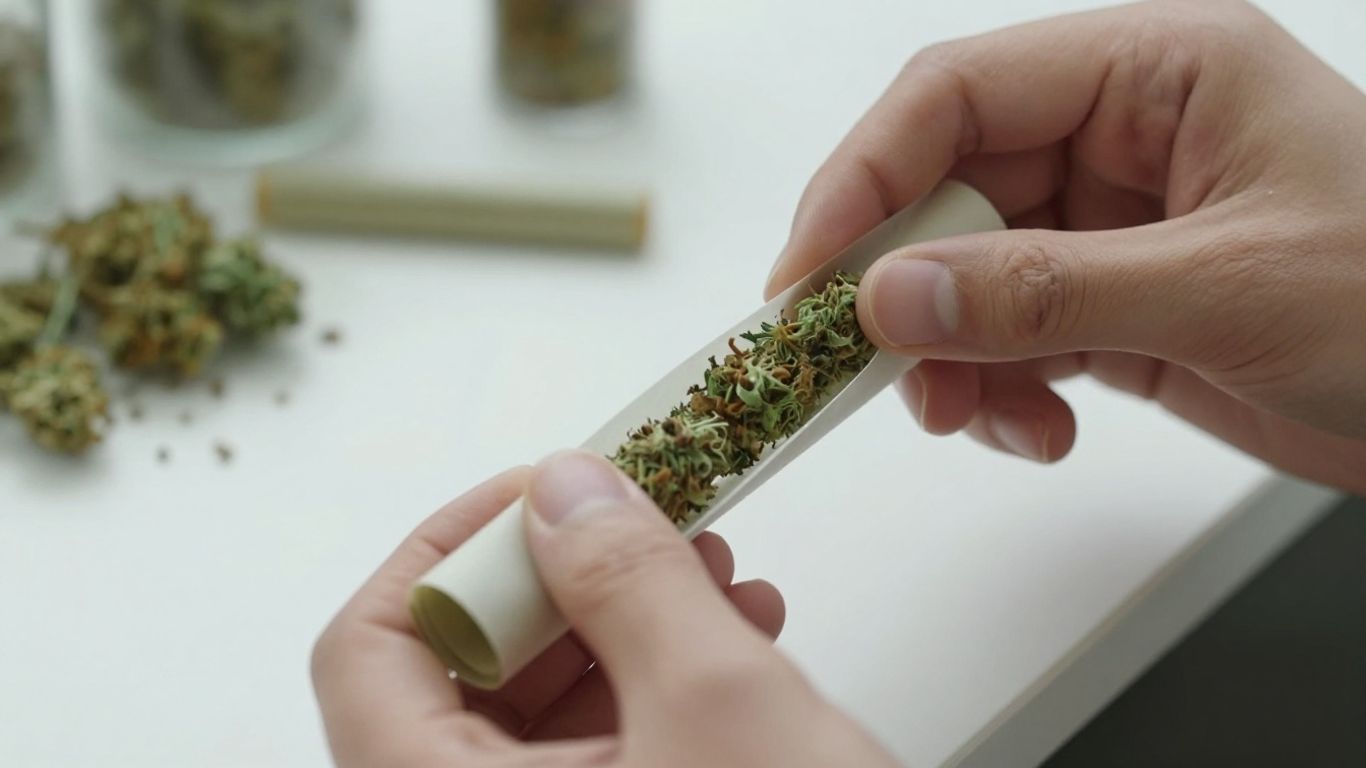
Table of ContentsAuto-generated
Rolling a joint can feel intimidating at first, but trust me, you’ll get the hang of it with a little practice. There’s something satisfying about rolling your own, especially when you pull off a tight, even joint that burns just right. It’s not just about the smoke—it’s about the process, from picking the right flower to sealing up that final twist. If you’re tired of watching your friends do it or fumbling with pre-rolls, this guide is for you. We’ll walk through every step, skip the fancy talk, and help you learn how to roll a joint that actually works. Ready to give it a shot? Let’s get started.
Key Takeaways
- Start with good flower and the right papers—your materials matter more than you think.
- Grind your cannabis so it’s even, but not too fine. This helps your joint burn smooth.
- Don’t skip the filter tip; it keeps your joint sturdy and your mouth free of bits.
- Rolling takes practice. Don’t stress if your first few tries are loose or lumpy.
- Fixing mistakes—like loose rolls or uneven burns—is part of learning how to roll a joint.
Getting the Essentials: What You Need for Rolling a Joint
Rolling a legit joint isn’t just about flicking your wrist and hoping for the best. You need the right setup from the start. The gear you choose will totally shape how your joint comes out—smooth, tight, and ready to burn without falling apart after one puff. Let’s get all the basics pinned down so when you finally spark up, it feels worth the effort.
Choosing Quality Cannabis Flower
Your flower is going to make or break your joint. Picking something that’s too dry will leave you coughing, while stuff that’s too moist will just clump up and ruin the roll.
- Look for well-cured buds that bounce back just a bit when squeezed.
- If the bud feels dusty or breaks down into powder, skip it.
- Choose a strain that fits your mood or occasion; for lighter nights with friends, a sativa works, while indica’s a safe bet for relaxing at home.
Don’t roll with old, dried out flower—freshness makes all the difference for a smooth smoke and good taste.
Grinding Tools and Techniques
Proper grinding is what separates the lumpy messes from joints that burn clean. A grinder is pretty much a must, unless you’ve got loads of patience and don’t care about sticky fingers.
- Metal grinders with sharp teeth are ideal—avoid those dollar store plastic ones.
- Aim for an even, fluffy grind; too fine and your joint is packed tight, too chunky and you get uneven burns.
- On-the-go? Some people use scissors, but the grind is often inconsistent.
A grinder is one of the essentials to keep your prep easy and your smoke smooth.
Selecting the Best Rolling Papers
Papers aren’t just wrappers—they change everything, from burn time to taste.
| Paper Type | Burn Rate | Flavor Retention |
|---|---|---|
| Rice | Slow | High |
| Hemp | Medium | Medium |
| Wood Pulp | Fast | Low |
- Unbleached or hemp papers are great for beginners: they’re cleaner, hold shape, and don’t hide the taste.
- Start with 1¼ size papers—they’re smaller and less tricky.
- If you want flavor, try out some specialty papers, but be careful; some can clash with your flower’s natural taste.
Filter Tips and Rolling Accessories
A filter tip gives your joint structure, keeps bits of flower out of your mouth, and helps shape the roll. You’ll need:
- Filter or crutch—pre-made tips or simple cardboard strips work fine.
- Rolling tray (or even a hardcover book)—keeps your herb from rolling off the table.
- Small packing stick—chopsticks, keys, or even a pen do the trick to firm up your roll at the end.
- Storage container—keeps your stash fresh for every session.
Having the right accessories makes it easier to stay organized—smooth preparation means better joints every time.
Getting your essentials in order means less stress and more time focusing on the roll. Don’t skimp here; it makes a bigger difference than people think.
Whether you’re rolling up for yourself or a circle of friends, make sure you’ve got these basics checked off first. The right gear gets you halfway to a solid, burn-ready joint before you even touch the paper.
Preparing Your Cannabis for an Even Burn
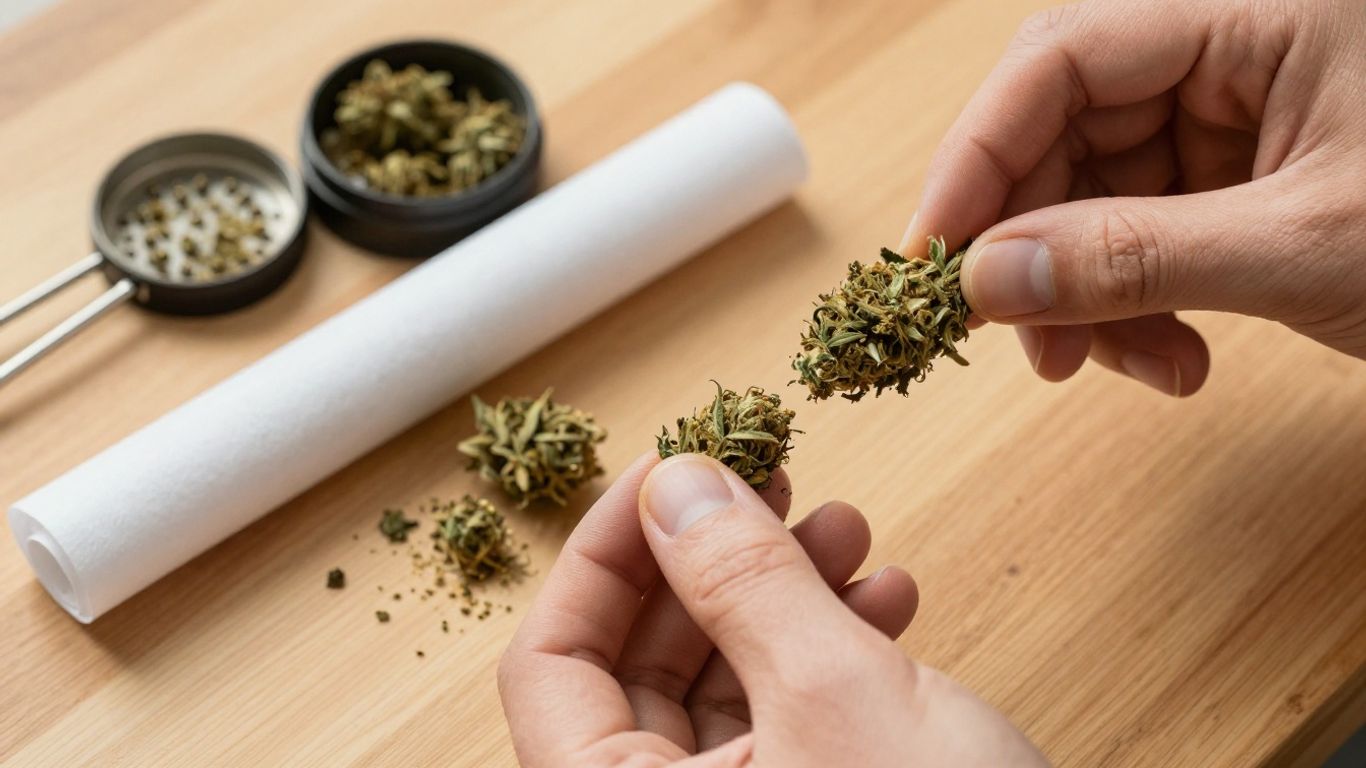
You want every joint you roll to smoke smoothly and finish evenly—there’s nothing worse than watching one side burn faster than the other. A little prep is the trick to dodging those dreaded canoe burns. Let’s go into how to get your cannabis ready so your next joint is a clean, even smoke.
How to Grind Cannabis Properly
Grinding isn’t just about breaking up nugs; it’s the start of making a joint that smokes right. You want the bud in nice, even particles—neither chunky nor dusty. Here’s a quick method to get it done with a grinder:
- Remove any tough stems from your flower.
- Drop small buds into your grinder (don’t overload it).
- Twist until there aren’t any big chunks left and what’s inside feels soft and even.
If you’re stuck without a grinder, gently tearing the flower by hand also works. Just aim for a uniform size.
Grinders don’t just save time—they keep your fingers sticky-free and your joint burning smooth.
Managing Moisture and Consistency
Cannabis that’s too dry burns hot and fast, while bud that’s too damp might fizzle or refuse to light. The key is finding that middle ground:
- Flowers should bounce back a little when squeezed—not crumble or stick together in a wet clump.
- If your weed’s dry, try a small piece of citrus peel in the jar for a few hours. Don’t leave it too long or things can get moldy.
- For damp buds, lay them out on a tray in a cool room for half an hour or so before rolling.
Here’s a quick moisture test:
| Squeeze Result | What It Means |
|---|---|
| Crumbles to dust | Too dry |
| Soft, slight bounce | Just right |
| Stays compact | Too moist |
Choosing cannabis that feels slightly springy improves your chances of an even smoke. More tips can be found in this breakdown on slower, more even burns.
Measuring the Right Flower Amount
Packing the right amount of cannabis in your joint is one of the most overlooked steps, but it really matters. Overfilled joints can be tight and don’t draw well; if too loose, expect a weak pull and sloppy burn.
- Start with about 0.3-0.5 grams for standard 1 1/4 size rolling papers.
- Lay the ground flower evenly in your paper from end to end.
- Avoid piling up too much at the middle or the ends—flat distribution means a better burn.
Rolling consistently comes down to practice, but even the best rollers pay attention to how much flower goes into every joint they make.
If you want to refine your technique, check out more on distributing flower evenly from step-by-step filling tips.
With a solid grind, the right moisture, and a good eye for portion size, your next joint is already on track to smoke steady from start to finish.
Mastering the Step-by-Step Joint Rolling Process
Rolling a great joint is like learning any new skill—awkward at first, but smoother each time. These steps will break down the process so it starts to feel familiar in your hands instead of foreign.
Creating and Placing the Filter Tip
The filter tip (or crutch) does more than just keep flower from reaching your mouth. It gives structure to your joint and helps keep the end from getting soggy or collapsing. Grab a filter tip or a strip of thin cardboard—business cards work in a pinch.
- Fold a small “accordion” at one end, then roll it into a cylinder.
- Position the filter at the end of your rolling paper and make sure it’s snug but not forced.
- The filter should sit flush with the paper’s edge.
The right filter makes your joint easier to hold and stops you from inhaling loose bits. It’s something you won’t skip once you try.
Filling and Shaping Your Rolling Paper
Once your filter is in place, it’s time to add cannabis. Shake out any clumps or stems so your roll is even. Lay your ground flower along the crease of the paper—aim for a consistent fill from end to end for a steady burn.
- Sprinkle your cannabis, keeping it even across the length.
- For a straight shape, use the same amount throughout; for a cone, add a little extra near the tip.
- Gently pinch and roll the paper between your fingers, shaping it around the flower.
A neat trick is to gently tap the filter end on a hard surface to even out the contents before you finish the roll.
Tucking and Rolling With Confidence
Now comes the step that stumps a lot of people: the actual roll. Let your thumbs do the work—strong, steady movements make all the difference.
- Pinch the paper around the cannabis, using your thumbs to rock the paper back and forth.
- Tuck the unglued edge of the paper down and guide it under the cannabis with your thumbs.
- Roll upwards; the glued edge will land on the outside.
Don’t panic if it’s not perfect—every joint starts a bit uneven for beginners. With time, your hands will just know.
For a great breakdown of rolling techniques without a filter, see these helpful step-by-step suggestions on rolling with confidence.
Sealing and Packing the Joint
All that’s left is to seal it tight and give it a final shape. Lick the glue strip and press it to the rest of the paper. Don’t drench it—just enough moisture to stick.
- Work from the filter up, sealing little by little for better control.
- Use a pen or slim tool to gently pack down the end—this evens out the smoke and adds structure.
- Pinch or twist the tip closed to finish.
A well-packed joint burns slowly and evenly, giving you a smoother experience each time.
Mistakes happen, but each roll gets easier and neater. With a little patience, you’ll see your skills grow and your joints improve every time.
Troubleshooting Common Rolling Mistakes
Rolling joints is one of those things that looks easy until you actually try it. If the first few you roll turn out a bit sad, don’t worry—it happens to everyone. Getting that smooth, even smoke takes a few tries, and even then, you’ll probably run into a couple of classic issues. Here are some of the most common rolling problems beginners face, and how to fix them next time.
Preventing Loose or Uneven Joints
Nobody likes a floppy joint. Loose joints burn weird and often fall apart mid-session. Usually, it’s from not tucking the paper tightly or uneven packing. If your joint feels lumpy or soft, here’s what you can do:
- Use a bit more pressure when you shape and tuck the paper. Not too much—just enough that it feels solid without crushing the flower.
- Spread the flower out evenly before rolling. Clumps or gaps will show up later as weak spots.
- Practice a steady rolling rhythm; start at the filter and work your way out to the tip—tighter rolls come from even material and consistent tucking.
Every less-than-perfect joint is a step toward rolling clean and confident every time. It’s part of the process, not a failure.
Dealing With Tearing Papers or Weak Seals
Tearing papers are a pain. It usually means your paper is too dry, your weed is too sticky, or you tried to roll it too tight. Weak seals, on the other hand, make the joint unravel or cause air leaks:
- Wet the adhesive strip lightly—don’t soak it, just a quick lick.
- Be gentle when tucking the paper; rough hands can cause tears. Thicker papers can sometimes help beginners avoid rips, although they may not burn as slow.
- If your stash is super sticky or moist, let it air out for a minute before rolling to avoid tearing the paper.
For extra help, make sure to store your buds properly—keep them in airtight, dark jars and maintain the right humidity, ideally between 60-65%. Proper cannabis storage makes a huge difference in how well papers handle, too.
Fixing a Joint That Won’t Burn Evenly
Uneven burning, or “canoeing,” means one side is burning faster than the other. It’s usually from under- or over-packing, or the flower not being ground evenly.
- Always use a grinder for an even consistency. Hand-broken bud is usually too chunky.
- When loading the paper, don’t just dump everything in—gently spread it across the paper before rolling so it’s even from filter to tip.
- After you’re finished rolling, use a pen or similar tool to lightly tap down the flower at the open end—this helps keep the density consistent.
If you’re worried about how long your cannabis lasts or spot musty smells or fuzzy spots, that’s a sign your flower might be past its best and could affect how evenly your joints burn. Understanding cannabis degradation can help improve your rolling game in the long run.
Getting the hang of joint rolling takes some practice, but every lumpy, wonky joint teaches you something. Be patient, keep rolling, and soon enough, you’ll find your rhythm.
Exploring Joint Styles and Rolling Techniques
So, you’ve gotten the hang of the basic straight roll, huh? That’s awesome. But honestly, the world of joint rolling goes way beyond just a simple cylinder. It’s kind of like learning to cook; once you master scrambled eggs, you start thinking about omelets, then maybe soufflés. Same deal here. Different shapes and styles aren’t just for show, though a well-rolled cone definitely earns you some nods. They actually change how the joint burns, how it feels in your hand, and even the overall experience.
Straight Roll vs. Classic Cone Shape
The straight joint is your reliable friend. It’s even all the way down, making it pretty forgiving if your packing isn’t perfectly uniform. This is where you really learn the feel of tucking and sealing without a lot of fuss. It burns steady, assuming your grind is on point. It’s the perfect place to build that foundational muscle memory. But then there’s the cone. Ah, the cone. It’s got that wider base that tapers down, and it just feels substantial. Rolling a good cone takes a bit more finesse, especially getting that tip just right without tearing the paper. The payoff, though? A smoother draw and often a longer, more satisfying burn. Plus, you can pack a bit more goodness into that fatter end. It’s a step up in technique, but totally worth it for the improved smoking experience. You can find pre-rolled cones if you want to see what they feel like before you try rolling your own pre-rolls.
Trying Specialty Papers and Filters
Beyond the standard white rice paper, there’s a whole universe of rolling papers out there. You’ve got papers made from hemp, rice, even flax. Some are super thin, designed to burn almost invisibly, letting the flower’s flavor shine through. Others are a bit thicker, which can be easier for beginners to handle but might add a papery taste. Then there are flavored papers, though I usually stick to unflavored myself – don’t want to mess with the natural taste. Filters are another area to explore. While a simple folded piece of cardstock works fine, you can also get reusable glass or metal filters. These are great for reducing waste and can help keep your fingers cleaner. They also provide a consistent base to roll around, which is a big help when you’re first learning how to roll joints.
Experimenting With Advanced Rolls
Once you’re comfortable with cones and straights, you might start seeing those more elaborate rolls online or at festivals. Think cross joints, where one joint pierces another, or tulip joints that look like a flower bulb. These are definitely more about the visual flair and the ‘wow’ factor. They’re not always the smoothest or easiest to smoke, but they make a statement. Rolling these takes practice and a good understanding of how the paper behaves. It’s like moving from sketching to painting; you’re adding layers and complexity. It’s fun to try them for special occasions, but don’t feel pressured to master them right away. The real skill is still in making any joint burn well, no matter the shape.
Rolling is a journey, not a destination. Each style you try, whether it’s a simple straight or a complex cross joint, teaches you something new about the paper, the herb, and your own hands. Don’t be afraid to experiment and see what works best for you and your vibe.
Building Muscle Memory: Tips for Rolling Like a Pro
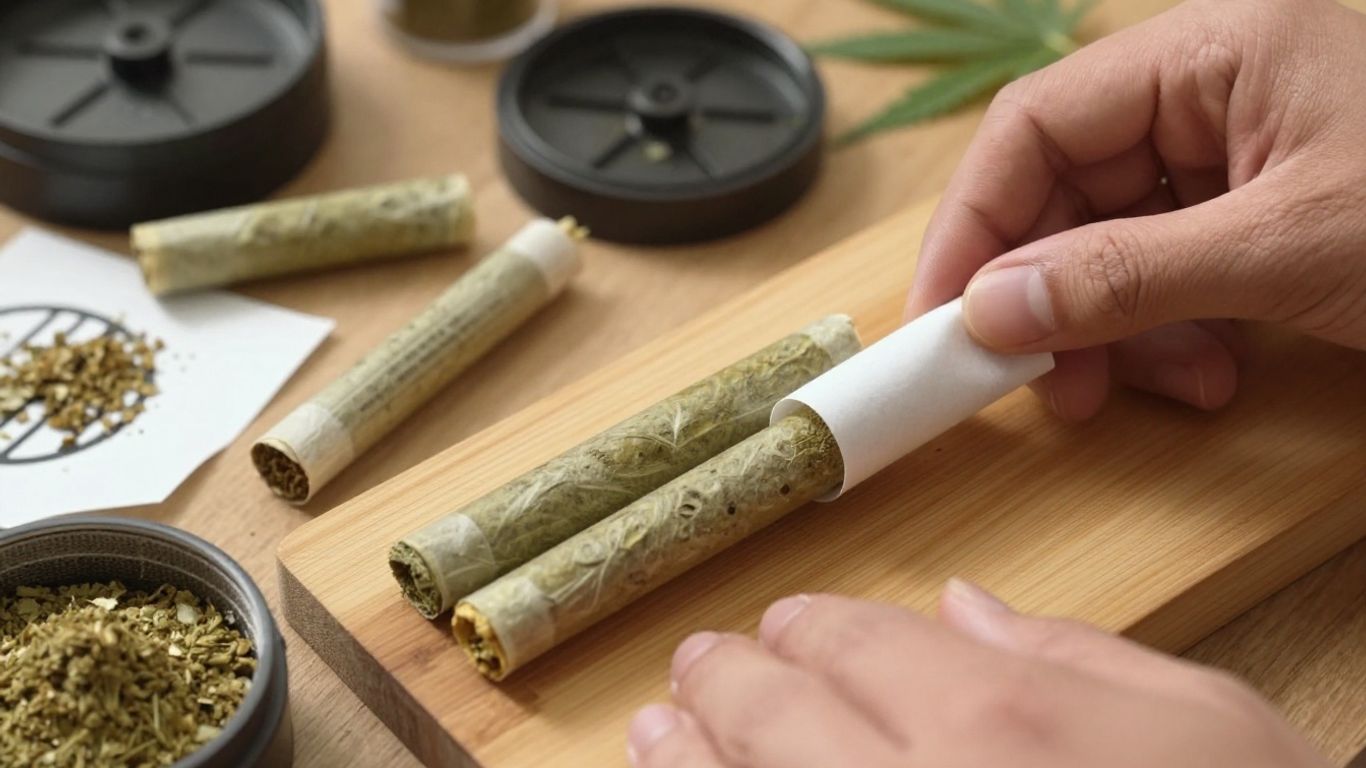
Rolling a joint isn’t just a checklist of steps—it’s all about training your hands to work together, almost without thinking. At first, every motion feels slow and awkward. After a while, your fingers just know what to do. Muscle memory is what sets apart those smooth, confident rolls from the ones you carefully piece together bit by bit.
Developing a Smooth Rolling Rhythm
A steady hand means cleaner joints. Focus on the feeling of the paper between your fingers and the resistance as you tuck. Here’s how you keep your rolling rhythm going:
- Practice at the same time each day to build habits.
- Use the same type of rolling paper or learn one style at a time.
- Try to roll multiple joints in one sitting—it helps you pick up the motions faster.
When you stop second-guessing each step and the paper just glides and seals, you know you’re starting to get it. The first time it happens, it catches you off guard—like your hands learned something before your mind did.
Spotting and Improving Weak Spots
You might notice that sometimes the filter tip slips, or the joint ends up lumpy. The trick is to watch for these mistakes and fix them right away:
- If your paper tears, use less pressure during the tuck.
- For uneven burns, check if your cannabis is ground evenly.
- If the joint is loose, add a little more bud and pack it gently.
Light problems usually mean either your roll is too tight or packed unevenly. Sometimes, using a joint roller like the Mood Joint Roller can help you recognize where your hands fumble and guide you through the motions until you’re steady.
Practicing for Consistent Results
Consistency is everything. Here are some ways to make sure you keep getting better every session:
- Set aside your rolling mishaps and use them as practice for packing or resealing.
- Practice rolling smaller joints before moving up to king-size or cones.
- Swap out strains or papers to spot what makes rolling easier for you and keeps you learning.
A good roll becomes part of the ritual. Every mistake, every loose seal, and every weird burn helps you get a bit closer to that perfect smoke. Sometimes, working with tools—like CBD honey sticks or experimenting with different filter tips—teaches you tricks you can’t pick up from videos alone. Stick with it, relax your hands, and soon enough, those clean, reliable joints will feel automatic.
Conclusion
Rolling a joint is one of those things that seems tricky until you actually give it a shot. Your first few tries might be a little rough—maybe too loose, maybe too tight, maybe it burns sideways. That’s normal. The more you practice, the more your hands just figure it out. Before you know it, you’ll be rolling up without even thinking about it. Remember, it’s not about making the perfect joint every time. It’s about getting comfortable, finding your own style, and enjoying the process. So don’t stress the mistakes. Grab your papers, grind up some good flower, and keep rolling. You’ll get there, and honestly, it’s pretty satisfying when you do. Happy rolling!
Frequently Asked Questions
What supplies do I need to roll a joint?
To roll a joint, you’ll need some ground cannabis flower, rolling papers, a filter tip (also called a crutch), and something to help pack the joint, like a pen or chopstick. A grinder helps break down the flower evenly, but you can use your fingers if you don’t have one.
How much cannabis should I use for my first joint?
For beginners, start with about half a gram of ground cannabis. This is enough to fill a regular-sized rolling paper and makes it easier to roll. You can add more or less as you get better at rolling.
Why does my joint burn unevenly or run on one side?
If your joint burns unevenly, it could be because the cannabis wasn’t ground evenly or it was packed too loose or too tight. Try to spread the flower evenly along the paper and roll it with steady pressure. Practicing will help you get it just right.
What should I do if my rolling paper keeps tearing?
Rolling papers can tear if they’re too thin or if you handle them roughly. Try using slightly thicker papers while you’re learning. Be gentle when tucking and rolling, and avoid using too much moisture when sealing the paper.
Do I really need to use a filter tip?
Using a filter tip is a good idea, especially for beginners. It helps the joint keep its shape, stops bits of cannabis from getting in your mouth, and makes the joint easier to hold. You can make a filter from a piece of stiff paper or buy pre-made ones.
How can I get better at rolling joints?
The best way to improve is by practicing. Try rolling a few joints in a row, even if you don’t plan to smoke them all. Pay attention to how tightly you roll and how evenly you spread the cannabis. Over time, your hands will remember the steps, and you’ll roll better joints every time.
[…] weed expire? Learn about cannabis shelf life, factors affecting freshness, signs of degradation, and proper […]