


Thinking about ordering cannabis online? It’s pretty convenient, but there are rules, especially about who can buy it. You’ll run into something called cannabis age verification pretty much everywhere. It’s basically a digital bouncer, making sure only adults get in. This process is super important for legal shops and for keeping things safe. Let’s break down how it all works, from the moment you click onto a site to when your order shows up.
Key Takeaways
- Legal cannabis sales online require strict cannabis age verification to prevent minors from accessing products.
- Age gates on websites can use digital services, ID uploads, or checks with credit agencies to confirm user age.
- Delivery of online cannabis orders often requires showing valid ID to the delivery person to re-confirm age.
- Red flags for illegal online cannabis retailers include a lack of age verification, unusual payment methods, and no clear licensing information.
- Proper cannabis age verification helps businesses follow the law, builds trust with customers, and protects young people.
Understanding Cannabis Age Verification Requirements
Buying cannabis online is much more than just adding products to a cart and checking out. There are strict requirements in place to make sure only adults can access and purchase cannabis products online. Let’s break down what these rules look like and why they exist.
Legal Mandates for Online Cannabis Sales
Every online retailer has to follow local and federal rules about who can buy cannabis. In Canada, for example, you must buy from stores authorized by your province or territory—this is non-negotiable. Here are the main points:
- Minimum legal age varies by province (usually 18 or 19 years old)
- Retailers must check your age before you can even browse products
- You’ll need valid government-issued ID at checkout and sometimes again at delivery
- Only credit or debit are accepted, never strange payment options like cryptocurrency or e-transfer—these can be major red flags
A quick look at legal age requirements in some major provinces:
| Province/Territory | Minimum Age |
|---|---|
| Ontario | 19 |
| Alberta | 18 |
| British Columbia | 19 |
| Quebec | 21 |
You can find more details on how to verify provincial regulations before making a purchase.
Provincial Variations in Age Verification
Don’t assume all of Canada is the same. Provinces decide their own rules for online cannabis sales and age verification:
- Some require you to enter your birthdate at the site’s entrance
- Others use third-party digital tools to check your ID before checkout
- Delivery staff will often double-check your ID when the package arrives
Retailers can lose their license if they don’t strictly follow these steps. All of this is about keeping sales legal and protecting young people.
Protecting Minors Through Age Gates
The most common—and visible—protection is the age gate. This is the pop-up or landing page you hit before you get in to shop. Here’s why it matters:
- Age gates stop minors from accessing content or product lists
- Simple, clear questions (i.e., “Are you 19 or older?”) are often used
- Some sites require full birthdates, while others are adding digital ID uploads for extra security
Even though it might seem like an annoying extra step, a proper age gate is a sign the retailer is playing by the rules—and keeping minors out.
When shopping, always watch for these barriers to entry. Legit retailers make age verification a priority—if you’re not stopped to prove your age, it’s likely an illegal site.
If you’re shopping online for cannabis, always look for an age check at the start and expect a follow-up when your order is delivered. This is one of the main ways the industry keeps things safe, legal, and responsible.
Implementing Effective Age Gates
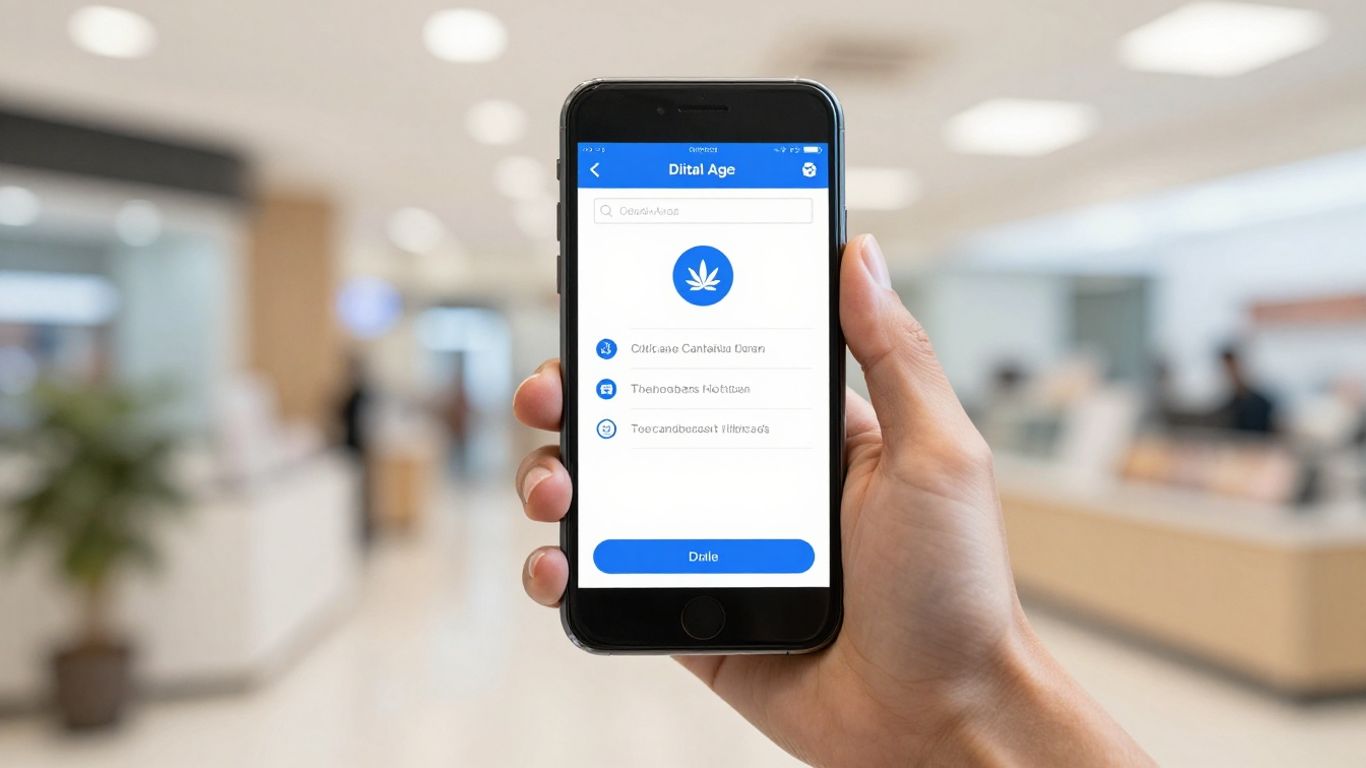
So, you’re setting up shop to sell cannabis online. That’s pretty cool, but before anyone can even browse your products, you absolutely need a solid way to check their age. This isn’t just a suggestion; it’s a legal requirement in most places, and it’s all about keeping things safe and responsible. Think of an age gate as the friendly but firm bouncer at the entrance to your digital store. It needs to be easy for adults to get through but act as a real barrier for anyone underage. Getting this right builds trust and shows you’re serious about compliance.
Designing a User-Friendly Age Gate
When folks land on your site, the very first thing they might see is your age gate. You want this to be a smooth introduction, not a frustrating roadblock. Keep the design clean and simple. Avoid a bunch of confusing questions or drop-down menus that make people want to click away before they even start. A simple prompt asking for your birthdate, or a quick confirmation button, is usually best. It should feel like a natural part of your website, not some tacked-on, clunky system. Use language that’s welcoming and clear. No need for fancy jargon here; just a straightforward message like “Are you of legal age to purchase cannabis?” followed by a clear “Yes” or “No” button works wonders. Remember, this is often the first impression a customer has of your brand, so make it a good one. A well-designed gate can actually make people feel more secure about shopping with you, knowing you’re following the rules.
Maintaining Brand Consistency
Your age gate shouldn’t look like it belongs to a completely different company. It needs to match your brand’s vibe. If your website is sleek and modern, your age gate should be too. If your brand is more laid-back and friendly, let that show in the gate’s design and tone. Use your brand’s colors, fonts, and overall style. This consistency helps create a cohesive experience from the moment someone arrives. It tells them they’re still on the right website and that you pay attention to details. It’s about making the entire journey, from verification to checkout, feel connected and professional. This attention to detail can really make your business stand out from competitors who might have generic-looking verification pages.
Clear Calls-to-Action for Entry
Once someone is presented with the age gate, what do they do next? Make it super obvious. You need a clear call-to-action (CTA) that tells people exactly how to proceed. Buttons like “Enter,” “Continue,” or “Confirm Age” are usually effective. Avoid ambiguity. If it’s not clear what to click, people might get confused or leave. Also, consider what happens if they aren’t of legal age. You need a clear way for them to exit the site, perhaps with a polite message directing them to resources about responsible choices. For those who confirm they are of age, the transition to browsing your products should be immediate and smooth. This clarity is key to a positive user experience and helps avoid accidental non-compliance. It’s all about guiding the user efficiently and respectfully through the initial entry point.
Here’s a quick rundown of what makes a good age gate:
- Simplicity: Easy to understand and use.
- Branding: Matches your website’s overall look and feel.
- Clarity: Obvious buttons and instructions.
- Responsibility: Clearly states the purpose of age verification.
Building a robust age verification system isn’t just about ticking a legal box. It’s about creating a trustworthy environment for your customers and demonstrating your commitment to responsible sales practices. A well-implemented age gate is a foundational element for any online cannabis retailer aiming for long-term success and customer loyalty. It protects both your business and the community.
For businesses in Canada, understanding the specific provincial rules is vital. For instance, Alberta has detailed requirements for how online cannabis sales are managed, including verification steps that might involve third-party verification. Making sure your age gate aligns with these regulations is non-negotiable.
Methods for Cannabis Age Verification
When you’re shopping for cannabis online, the first thing you’ll likely encounter is a way for the website to check if you’re old enough to buy. This isn’t just a suggestion; it’s a legal requirement in most places. Think of it like walking into a store and showing your ID. Online, there are a few different ways businesses do this.
Digital Verification Services
These services are pretty common now. They’re designed to be quick and easy for you, the customer. Basically, you visit a website, and before you can browse, you’re asked to confirm your age. This might involve typing in your birthdate or using a more advanced system that checks your information against public records. The goal is to make sure only adults can access the products. It’s all about keeping things compliant and preventing underage access. These systems are often built to be user-friendly, so you don’t get stuck trying to get onto the site. They aim to be a smooth part of the online shopping experience, much like how you’d expect to see age gates on other restricted product sites. You can find more information on how these systems work on various online seller platforms.
ID Scanning and Uploads
Another method involves you actually showing your ID. Sometimes, this happens at the point of delivery, where the person bringing your order checks your government-issued identification. Other times, the website might ask you to upload a picture of your ID. This is usually done through a secure portal. The system then verifies that the ID is real and that the birthdate listed means you’re of legal age. It’s a bit more hands-on but is a very reliable way to confirm identity and age. Many retail and hospitality businesses use similar ID scanning technology to ensure compliance.
Third-Party Verification with Credit Agencies
Sometimes, online retailers might use a third-party service to verify your age. This can involve checking your information against data held by credit bureaus or other data aggregators. It’s a way for the retailer to confirm your age without you necessarily having to upload documents or show an ID directly to them. These services are designed to be secure and protect your privacy while still meeting the legal requirements for age verification. It’s a behind-the-scenes check that helps ensure the online store is operating responsibly. You’ll often see this type of verification used when making purchases that require a certain age, and it’s a common practice for many legal cannabis retailers.
It’s important to remember that these verification methods are in place for your protection and to ensure that businesses are following the law. While they might seem like an extra step, they are a necessary part of responsible online sales for age-restricted products. The process is designed to be as straightforward as possible, allowing you to access products legally and safely.
The Checkout and Delivery Process
So, you’ve picked out your goodies and you’re ready to buy. What happens next? The checkout and delivery part is pretty straightforward, but there are a few things to keep in mind to make sure everything goes smoothly and legally. It’s all about confirming you’re of age and getting your order to you safely.
Age Confirmation at Delivery
Even if you’ve already verified your age online, expect to show your ID again when your order arrives. This is a standard procedure to make sure the person receiving the package is the same adult who placed the order. It’s a key step in keeping things compliant. You’ll typically need a valid, government-issued ID, just like when you first entered the site. This helps prevent any mix-ups and keeps the process honest.
Secure Payment Methods for Online Orders
When it comes to paying for your cannabis online, licensed retailers use secure payment systems. Think of it like buying anything else online – they’ll likely accept major credit cards. They use standard processing methods to protect your financial details. You won’t usually see weird payment requests like e-transfers or cryptocurrency from legitimate places. If a site asks for those, it’s a big red flag, so steer clear. You can generally trust that your payment information is safe with authorized online stores.
Discreet Packaging and Delivery
Don’t worry about your order showing up with a giant cannabis leaf on the box. Most online retailers understand the need for privacy. Your package will usually be discreetly marked, meaning it looks like any other delivery. The delivery itself will be handled by couriers who are trained to follow the necessary protocols, including checking your ID. This ensures that your purchase remains private from the moment it leaves the warehouse until it’s in your hands. Remember, the goal is to provide a convenient and safe way to get your products, and that includes respecting your privacy throughout the entire transaction process.
The entire process, from clicking ‘buy’ to receiving your package, is designed with security and compliance in mind. It’s a regulated system that aims to protect both consumers and the public, ensuring that age-restricted products reach only those who are legally permitted to purchase them. Always be prepared to show identification at delivery, as this is a non-negotiable step in the legal cannabis supply chain.
Recognizing Red Flags in Online Retailers
When you’re shopping for cannabis online, it’s super important to know what to look out for. Not all websites are on the up-and-up, and some might be trying to pull a fast one. Spotting these shady operations early can save you a lot of hassle, and maybe even some cash.
Absence of Age Verification
This is a big one. If a website doesn’t ask for your age, or makes it incredibly easy to just click through without confirming you’re old enough, that’s a major warning sign. Legal cannabis sales require age verification. It’s not just a suggestion; it’s the law. A site that skips this step isn’t operating legitimately and probably isn’t selling regulated products. You should be able to find a clear age gate when you first visit the site, and often again at checkout. It’s a basic requirement for any licensed online retailer.
Unusual Payment Methods
Think about how you usually buy things online. Most reputable stores take credit cards or other standard payment methods. If an online cannabis store is pushing for payment via e-transfer, cryptocurrency, or even asking for cash upfront for an online order, be very suspicious. Licensed dispensaries use secure, traceable payment systems. These alternative methods are often used by illegal operations because they’re harder to track. Stick to sites that use common, secure payment gateways.
Lack of Product Information and Licensing
Legitimate online cannabis retailers are usually pretty upfront about their products and their licenses. You should be able to find details about the THC and CBD content, and often information about terpene profiles. If a product listing is vague, doesn’t mention potency, or lacks details like packaging dates, that’s not a good sign. Also, a truly legal retailer will be transparent about their licensing. You should be able to verify their license through your provincial or territorial cannabis authority’s website. If they’re hiding this information, it’s a red flag. You want to buy from authorized sources, and this ensures you’re getting legal, tested products buying cannabis online.
Always remember that if a deal seems too good to be true, it probably is. Unbelievably low prices, promises of guaranteed effects, or a general lack of professionalism on the website are all indicators that you should probably look elsewhere. Prioritizing safety and compliance over a slightly lower price is always the smarter move when purchasing cannabis online.
Here are some other things to watch out for:
- Poor website design: Websites that look unprofessional, have broken links, or are difficult to navigate might be a sign of a scam. A legitimate business usually invests in a decent online presence.
- No contact information: If you can’t find a phone number, email address, or physical address for the company, it’s hard to trust them. Reputable businesses are usually easy to contact.
- Vague policies: Look out for unclear or missing return policies and privacy policies. These are standard documents for legitimate e-commerce sites.
- Pressure tactics: Be wary of sites that try to rush you into a purchase or make you feel pressured.
By keeping an eye out for these red flags, you can help ensure a safer and more reliable online shopping experience for your cannabis needs buying THC flower online.
Benefits of Robust Cannabis Age Verification
Ordering cannabis online sounds like a breeze these days, but behind every smooth transaction is a thorough age verification setup. Shops take this step seriously, and for good reason. A solid age check isn’t just a box to tick—it’s protecting everyone involved, from businesses to customers, and yes, even the wider community.
Ensuring Regulatory Compliance
Strict age verification protects online cannabis shops from accidentally breaking the law. Canadian cannabis laws in 2025 have no room for cutting corners, especially when it comes to keeping products away from anyone underage. Failing to follow these rules can mean huge fines or even jail.
| Risk | With Verification | Without Verification |
|---|---|---|
| Legal Penalties | Low | High |
| Business Shut-down Risk | Minimal | Significant |
| Fines | Rare | Likely |
Following all the requirements for age checks, as detailed in Canadian cannabis laws, is the best way for businesses to avoid legal trouble.
Building Customer Trust and Safety
Customers are more likely to buy from a retailer that takes safety and privacy seriously. When a shop is clear about its identity checks and keeps info private, buyers feel more secure.
Here are a few ways robust age checks help build a positive shopping environment:
- Protects privacy: Verified systems secure your details—a win for anyone nervous about online shopping.
- Shows fairness: Everyone plays by the same rules, which reassures buyers about the shop’s legitimacy.
- Easy re-verification: Some stores remember verified customers, which means fewer checks for regulars without compromising security.
When you see a site putting this much care into checking age and keeping transactions safe, it gives off the vibe that you’re dealing with a responsible, law-abiding shop.
Preventing Underage Access to Products
Blocking under-18s and under-19s (depending on the province) from cannabis isn’t something retailers take lightly. It’s not just about the law—it’s about real-world consequences. Age gates are there to catch attempts to slip through, and they keep getting smarter.
Some real positives of keeping minors out of the loop include:
- Less risk of accidental use in teens and kids.
- Stops sales to people who might misuse or share products illegally.
- Helps make cannabis a safer, adult-only purchase, which supports public health and responsible use.
Plus, trusted shops like Mary Jane House of Green make privacy, product quality, and age checking the backbone of their online services. This keeps sales safe for everyone, not just the buyer.
Putting these systems in place doesn’t just keep a shop legal—it keeps the whole industry more trustworthy, making things better for buyers and businesses alike.
Wrapping It Up
So, when you’re looking to buy cannabis online, remember that age verification is a pretty standard step. It’s there to make sure things stay legal and safe for everyone. Most sites make it pretty straightforward, asking for your birthdate or a quick ID check. It might seem like a small hurdle, but it’s a big deal for keeping cannabis out of the wrong hands. Just follow the prompts, and you’ll be on your way to browsing the products. It’s all part of the process to ensure responsible sales in this growing market.
Frequently Asked Questions
Why do online cannabis stores ask for my age?
Online cannabis stores ask for your age to make sure you’re old enough to buy cannabis. This is a rule, like needing to be 21 to buy alcohol. They do this to keep cannabis away from kids and to follow the law.
How do online stores check my age?
Online stores use different methods to check your age. Some might ask you to type in your birth date. Others might use special services that check your ID information, like your driver’s license number or credit history, to confirm you’re an adult. Sometimes, they might even ask you to upload a picture of your ID.
What happens if an online store doesn’t check my age?
If an online store doesn’t check your age, it’s a big warning sign. It means they might not be a legal seller. Buying from them could be risky because the products might not be safe, and your personal information could be stolen.
Do I need to show my ID when my cannabis is delivered?
Yes, usually you do. When your cannabis order arrives, the delivery person will likely ask to see your government-issued ID. This is to double-check that the person receiving the order is the adult who legally purchased it.
Are there different age rules in different places?
Yes, the age you need to be to buy cannabis can be different depending on the province or territory. Some places might let you buy at 18, while others require you to be 19 or even 21. Always check the rules for your specific location.
What are ‘red flags’ when buying cannabis online?
Red flags are warning signs that an online seller might not be legitimate. These include not asking for your age, only accepting strange payment methods like cryptocurrency, having poorly designed websites, or making unbelievable promises about what the cannabis can do. Always buy from licensed and authorized sellers.
[…] for the best online dispensary to get your hands on some quality THC and CBD products? It can feel like a jungle out there trying […]