

Educational Strategies to Prevent the Diversion of ADHD Medications in Schools.
The rise in ADHD diagnoses among school-aged children has led to a surge in prescriptions for stimulant medications like methylphenidate (Ritalin) and amphetamines (Adderall). While these medications are vital for managing ADHD symptoms, they are also frequently diverted for non-medical use—a growing concern in schools. Diversion refers to the unauthorized transfer, distribution, or misuse of prescribed medications, often by peers seeking to enhance academic performance or experiment.
This blog post explores evidence-based strategies schools can adopt to mitigate the risks of ADHD medication diversion. By understanding the problem, implementing robust policies, and fostering collaboration, schools can protect student health while supporting those who rely on these medications for treatment.
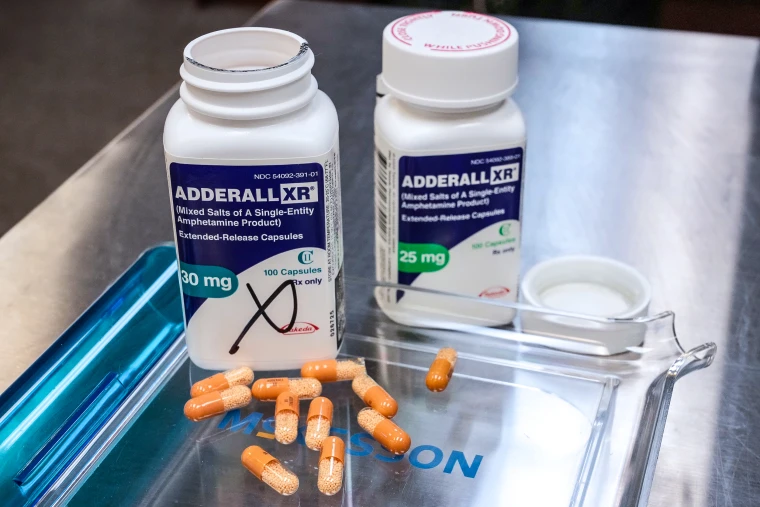
Section 1: Understanding ADHD Medications and Diversion Risks
ADHD medications are classified as controlled substances due to their abuse potential. Stimulants can increase focus and impulse control for individuals with ADHD but may act as performance enhancers for others, leading to misuse.
Key Risks of Diversion:
- Health Consequences: Overdose, cardiovascular issues, or psychological dependence.
- Academic Dishonesty: Students may use prescriptions to “study smarter,” undermining fair competition.
- Legal and Social Repercussions: Schools and parents could face liability for improper medication handling.
Section 2: Strengthening School Medication Policies
Clear, enforceable policies are the first line of defense. Schools must align protocols with local laws and healthcare best practices.
Effective Policy Elements:
- Secure Medication Storage: Designated lockers or cabinets to store medications when not in use.
- Administration Protocols: Direct supervision by school nurses or trained staff during dosage.
- Documentation: Detailed logs tracking dosage times, administration, and any discrepancies.
Section 3: The Critical Role of School Nurses
School nurses are pivotal in ensuring safe medication practices. Their responsibilities include:
- Administering Medication: Following strict guidelines to avoid errors.
- Monitoring for Misuse: Identifying warning signs of diversion (e.g., unexplained shortages).
- Educating Students and Staff: Promoting awareness of responsible medication use.
Section 4: Educational Campaigns for Students
Peer-to-peer education is powerful. Schools can implement programs like:
- Health Curriculum: Lessons on the dangers of prescription misuse.
- Workshops: Interactive sessions led by nurses or community experts.
- Anti-Diversion Pledges: Encouraging students to report suspicious behavior.
Section 5: Engaging Parents and Guardians
Parents must be active partners in medication safety. Strategies include:
- Clear Communication: Providing guidelines on transporting and storing medications.
- Training Sessions: Workshops for families on recognizing misuse symptoms.
- Reporting Mechanisms: Anonymous channels for parents to flag concerns.
Section 6: Leveraging Technology for Medication Accountability
Digital tools enhance oversight and transparency:
- in real time.
- Parent Portals: Platforms for families to confirm dosage schedules.
- Alert Systems: Notifications for missed doses or discrepancies.
Section 7: Collaboration with Healthcare Providers
Schools and healthcare professionals should establish:
- Regular Communication: Updates on medication changes or concerns.
- Individualized Plans: Tailored administration protocols for students.
- Referral Systems: Quick access to mental health resources for affected students.

Section 8: Case Studies in Success
- Medication Lockers in District A: Reduced unauthorized access by 70% after installing secure storage.
- Peer Mentorship Program (School B): Students trained to discuss substance misuse decreased reported diversion incidents.
Section 9: The Bigger Picture—Creating a Culture of Safety
Preventing diversion requires a holistic approach:
- Fostering Trust: Students are less likely to misuse medications in a supportive environment.
- Policy Consistency: Regular audits ensure policies remain effective.
- Community Involvement: Partnerships with local pharmacies and law enforcement to address broader misuse trends.
Table: Summary of Diversion Prevention Strategies
| Strategy | Description | Key Stakeholders | Purpose |
|---|---|---|---|
| Medication Lockers | Secure storage for unadministered medications | School Nurses | Prevent unauthorized access |
| Direct Supervision | Trained staff oversee dosage | Administrators, Nurses | Ensure accurate administration |
| Educational Workshops | Sessions on the risks of misuse | Health Teachers, Nurses | Promote awareness and responsibility |
| Parent Training | Guidelines for home medication management | Parents, Counselors | Strengthen home-school collaboration |
| Digital Tracking Systems | Real-time monitoring of medication inventory | Tech Staff, Nurses | Enhance transparency and accountability |
| Reporting Mechanisms | Anonymous channels for staff and students to report concerns | All Staff, Students | Encourage proactive intervention |
| Healthcare Collaboration | Regular updates with physicians and pharmacists | Nurses, Doctors | Align treatment plans with school protocols |
| Peer Mentorship Programs | Trained students advocate for responsible medication use | Students, Nurses | Use peer influence to reduce misuse |
| School-Wide Policies | Unified rules for medication handling and storage | Administrators, Nurses | Ensure consistency and compliance |
| Community Partnerships | Work with pharmacies and law enforcement to address broader issues | Administrators, Nurses | Strengthen systemic support for students |
FAQs on Preventing ADHD Medication Diversion
- What is ADHD medication diversion, and why is it a problem in schools?
ADHD medication diversion refers to the illegal distribution or unauthorized use of prescribed stimulants. Schools are high-risk environments due to easy access and peer pressure, leading to misuse that harms health and academic integrity. - How can schools ensure the safe storage of ADHD medications?
Schools should use locked cabinets or designated medication rooms, requiring staff access only. Medications should never be left in student lockers or common areas. - What role do school nurses play in preventing medication diversion?
School nurses oversee administration, monitor for discrepancies, and educate students and staff about proper medication use and the dangers of misuse. - How can educators educate students about the risks of misusing ADHD medications?
Incorporate age-appropriate lessons into health curricula, host expert-led workshops, and launch anti-diversion campaigns to foster awareness and responsibility. - What steps can schools take to involve parents in preventing medication diversion?
Schools should provide training sessions for parents, share medication policies, and establish open communication channels to address concerns. - How can technology help in managing and tracking ADHD medications in schools?
Digital tools like EHR systems, parent portals, and alert mechanisms enhance accountability, track usage, and identify anomalies in real time. - What are the consequences of medication diversion for students and the school community?
Misuse can lead to health emergencies, legal penalties, and eroded trust. Schools may face reputational damage and liability if policies are lax. - How can schools collaborate with healthcare providers to prevent diversion?
Regular communication with physicians and pharmacists ensures aligned protocols. Schools can also refer students to medical resources for addiction or mental health support. - What should school staff do if they suspect a student is misusing ADHD medication?
Staff should document observations, report concerns to administrators or school nurses, and follow established protocols for intervention and support. - Are there any successful case studies or examples of schools reducing medication diversion?
Yes—School District A reduced diversion by 70% using secure lockers, while School B’s peer mentorship program significantly lowered misuse incidents through student-led advocacy.
Conclusion
Addressing ADHD medication diversion in schools is a multifaceted challenge requiring coordinated efforts. By implementing robust policies, leveraging education, and fostering collaboration, schools can protect student health, uphold academic integrity, and support those who rely on these medications for treatment. Let’s work together to create a safer, healthier school environment for all.
[…] go unnoticed. Recognizing behavioral changes can be a critical first step in addressing misuse and supporting recovery. In this blog post, we’ll explore the key behavioral indicators associated with substance misuse, […]
[…] Marijuana: Percieved as safer, but studies show it can impair cognitive development and trigger anxiety in teens. Highlight its Schedule I classification and potential cognitive risks. […]
[…] Education […]