

Does Weed Expire? Shelf Life Explained
Does weed expire? Learn about cannabis shelf life, factors affecting freshness, signs of degradation, and proper storage to maintain potency and safety.
Table of ContentsAuto-generated
Ever found an old bag of weed tucked away in a drawer and wondered, “Does weed expire? Shelf life explained” is the question that comes to mind. Cannabis doesn’t go bad like milk or bread, but it definitely doesn’t last forever. Over time, weed loses its punch, its taste changes, and if it’s stored wrong, it can even get moldy. Whether you’re a casual user or rely on cannabis for medical reasons, knowing how long your stash stays fresh (and safe) makes a real difference. Let’s break down what happens as weed ages, what to look out for, and how to keep yours in good shape as long as possible.
Key Takeaways
- Weed doesn’t have a set expiration date, but it does lose potency and flavor over time, especially if stored poorly.
- Exposure to air, light, heat, and moisture speeds up weed’s decline and can even cause mold growth.
- Old weed might look dry, brown, or crumbly and may not smell as strong as it once did.
- Different cannabis products—like flower, edibles, and oils—each have their own shelf lives and storage needs.
- Smoking or eating expired weed isn’t usually dangerous unless it’s moldy, but the effects will be weaker and less enjoyable.
How Weed Expires: Understanding the Shelf Life
So, does weed actually go bad? It’s a question many of us have wondered, especially when we find a forgotten stash. Unlike milk or bread, cannabis doesn’t spoil in a way that makes it obviously rotten. Instead, it degrades over time, losing its punch and flavor. Think of it less like expiring and more like aging gracefully – or sometimes, not so gracefully.
Chemical and Physical Changes Over Time
When you buy cannabis, it’s packed with cannabinoids like THC and CBD, plus aromatic terpenes. Over time, these compounds start to break down. This isn’t a sudden event; it’s a gradual process. Exposure to air, light, and heat are the main culprits that speed this up. The longer it sits around, especially if not stored well, the more these compounds change. This means the weed might not hit as hard as it used to, and that fresh, appealing smell can fade away.
Degradation of Cannabinoids and Terpenes
Cannabinoids, the compounds responsible for the effects of cannabis, are sensitive. THC, for example, can convert into CBN (cannabinol) over time, especially with heat and oxygen exposure. While CBN has some relaxing properties, it’s not the same as THC and generally produces a much milder effect. Similarly, terpenes, which give different strains their unique smells and flavors, are volatile. They can evaporate or degrade, leaving the cannabis with a less complex aroma and taste. This is why older weed might smell more like hay or just generally ‘stale’ rather than having that distinct fruity, earthy, or piney scent.
Differences Between Expiration and Degradation
It’s important to distinguish between ‘expiration’ and ‘degradation.’ Cannabis doesn’t have a hard expiration date like a carton of milk. Instead, it undergoes degradation. This means its quality diminishes. Proper storage can significantly slow this process, keeping your cannabis potent and flavorful for much longer. While degraded cannabis might be less potent or flavorful, it’s not necessarily unsafe unless mold or other contaminants are present. Understanding this difference helps you know what to expect from older cannabis and how to keep it in good shape for as long as possible. For those relying on cannabis for medicinal purposes, knowing the THC ranges for flower can be particularly important to ensure consistent dosing.
The key takeaway is that while cannabis doesn’t ‘expire’ like food, its chemical compounds do break down over time. This impacts its potency, aroma, and flavor. Environmental factors play a huge role in how quickly this happens.
Key Factors That Influence Cannabis Freshness
So, you’ve got some weed, and you want it to stay good, right? It’s not just about tossing it in a drawer and forgetting about it. A bunch of things can mess with your stash, turning it from primo bud to something… less than ideal. Understanding these factors is pretty much the secret sauce to keeping your cannabis fresh and potent for as long as possible.
Role of Light, Air, and Temperature
Think of light, air, and temperature as the three amigos of cannabis degradation. Leave your weed out in the sun, and those UV rays are like tiny little destroyers, breaking down the good stuff, especially THC. Keeping your cannabis in a dark place is super important. Then there’s air. Oxygen is not your friend here; it causes oxidation, which messes with cannabinoids and terpenes. That’s why airtight containers are a big deal. And temperature? Too hot, and things dry out and break down faster. Too cold can sometimes cause issues too, though generally, cooler is better than hotter. The sweet spot is usually around room temperature, not too hot, not too cold. It’s a balancing act, really.
Impact of Humidity and Moisture
Humidity is another big one. Too much moisture, and you’re basically inviting mold and mildew to a party on your buds. Nobody wants that. On the flip side, if it’s too dry, your weed becomes brittle, loses flavor, and the smoke gets harsh. The goal is to keep it in that Goldilocks zone – not too wet, not too dry. For most people, aiming for a relative humidity between 59-63% is a good target. You can get little humidity control packs that help keep things stable, which is a pretty neat trick.
Initial Quality and Curing Process
What you start with matters, obviously. If the cannabis wasn’t grown well or cured properly in the first place, it’s not going to last as long, no matter how well you store it. A good cure is like aging a fine cheese or wine; it develops the flavor and texture. If that process was rushed or done poorly, you’ll notice it down the line. It’s like trying to build a house on a shaky foundation – it’s just not going to hold up well over time. You can check out different cannabis products to see how quality can vary.
Genetic Stability and Strain Differences
Believe it or not, even the strain itself can play a role. Some strains are just naturally more stable and hold up better over time than others. Genetics play a part in how resilient the plant’s compounds are to degradation. While it’s not something you can easily control once you have the weed, it’s interesting to know that not all strains will age identically. Some might maintain their potency and flavor profile longer, while others might fade a bit quicker. It’s just another layer to the whole cannabis experience, and something to keep in mind when you’re picking out your next batch.
Identifying Expired or Unsafe Weed
So, how do you know if your stash has gone south? It’s not always as obvious as a carton of milk. Unlike food, cannabis doesn’t usually have a hard ‘expiration date’ stamped on it. Instead, it degrades over time, and sometimes, it can become unsafe to consume. Paying attention to a few key signs can save you from a bad experience or worse.
Visual Signs of Degradation and Mold
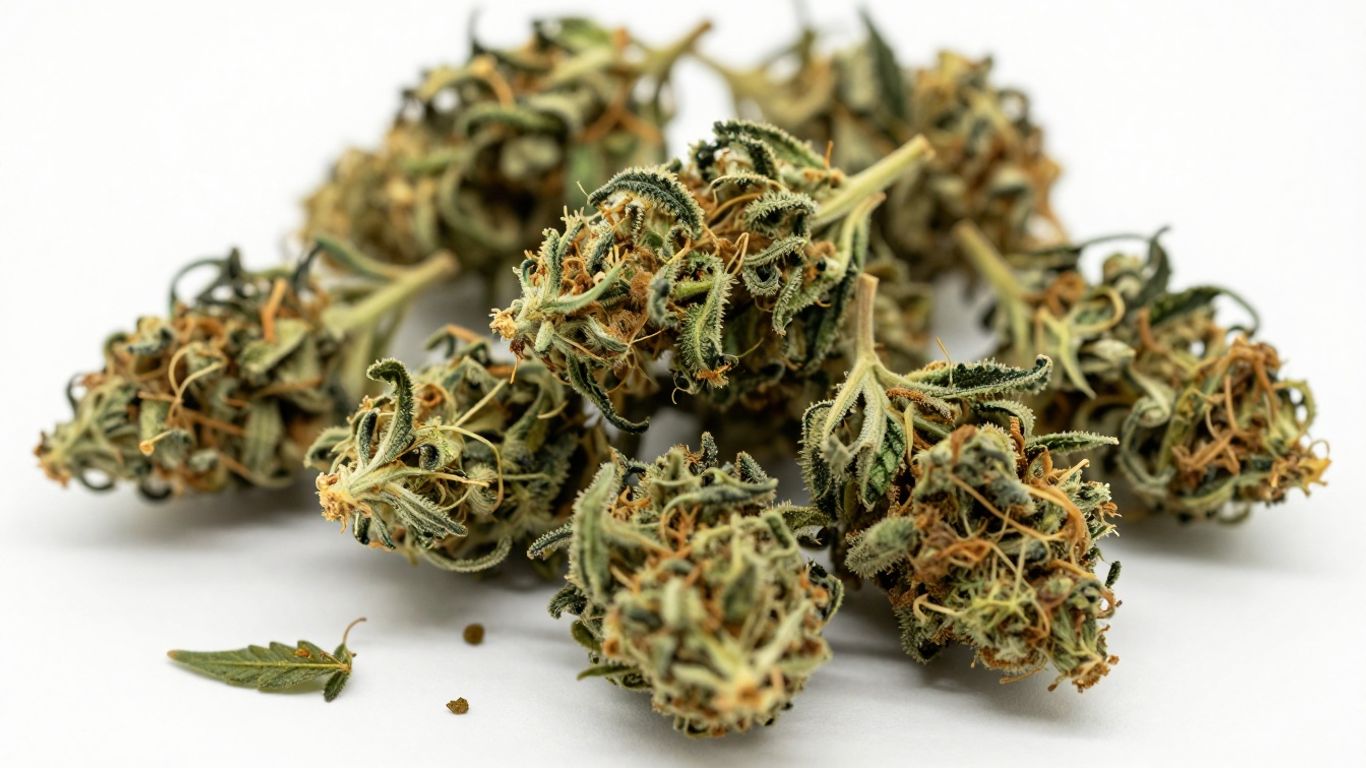
First off, give your weed a good look. Fresh cannabis typically has vibrant green hues, maybe with some purple or orange accents, and those little crystal-like trichomes should be visible and sparkly. If your buds have turned a dull brown or yellow, that’s a pretty clear sign they’re past their prime. Even more concerning are white, grey, or black fuzzy spots. This fuzzy stuff is likely mold, and it’s a definite no-go. Mold can produce harmful mycotoxins, which you really don’t want to inhale.
Changes in Aroma and Texture
Your nose knows. Fresh cannabis usually has a distinct, often pungent, earthy, or even citrusy smell, depending on the strain. If it starts smelling musty, stale, like hay, or just plain off, it’s a warning sign. The texture is another indicator. It should have a slight springiness to it – not too dry and crumbly, but also not damp or sticky. If it crumbles to dust in your fingers, it’s lost most of its good stuff and might be harsh to smoke. Conversely, if it feels excessively moist, it could be a breeding ground for mold, especially if it wasn’t stored correctly after initial drying.
Potential Health Risks of Consuming Old Cannabis
Using cannabis that’s past its best isn’t just about a weaker high. The main concern is safety. When cannabis degrades, the cannabinoids like THC and CBD break down, meaning you won’t get the effects you’re looking for, which is particularly problematic for medicinal users. But the bigger issue is contamination. Mold and bacteria can grow, and inhaling them can lead to respiratory problems, allergic reactions, or even more serious lung infections, especially if your immune system isn’t at its best. It’s also worth noting that expired THC oil can develop a rancid taste and smell, indicating spoilage that poses health risks.
Here’s a quick rundown of what to look out for:
- Color Change: From vibrant green to brown or yellow.
- Mold Growth: White, grey, or black fuzzy patches.
- Aroma: Fresh and pungent turning musty, stale, or off.
- Texture: Brittle and crumbly, or excessively damp and sticky.
When in doubt, it’s always better to err on the side of caution. If your cannabis looks, smells, or feels questionable, the safest bet is to discard it. Your health is more important than saving a bit of bud.
Shelf Life of Different Cannabis Products
How long cannabis lasts depends a lot on which type of product you have and, just as importantly, how you store it at home. Let’s break down the typical shelf lives you can expect from dried flower, edibles, and concentrates or oils.
Dried Flower and Pre-Rolls
Properly stored cannabis flower can keep its potency and flavor for around 6 to 24 months. Key factors here are airtight containers, limited exposure to light, and humidity control (think 59–63% RH). Here’s a handy table for perspective:
| Storage Method | Expected Shelf Life |
|---|---|
| Plastic bag | 2–4 months |
| Glass jar | 6–12 months |
| Vacuum sealed | 12–18 months |
| Professional storage | 18–24 months |
If you’re curious about packaging and labeling, it’s worth noting that cannabis expiration dates on containers aren’t always part of the rules unless the producer calls for it.
- Over time, buds will dry out and lose terpene aroma.
- Potency dips as THC turns into less psychoactive CBN.
- Mold risk jumps when stored wet or in muggy areas—a sure signal it’s time to toss it.
Edibles and Gummies
Edibles have a shelf life that relies a lot on their ingredients and how they’re made. Baked goods like brownies or cookies fade quickly—maybe 2–3 days if they have eggs or milk, unless there are added preservatives. Candies and gummies may stretch 6–9 months, since they’re low in perishable stuff. For specific products, always look for product label guidance, since edibles require careful storage to stay safe.
- Keep all edibles thoroughly sealed and away from heat.
- Watch for mold or foul smells—these mean it’s spoiled.
- Dispensary edibles tend to last longer thanks to shelf-stable ingredients and clear labels.
Taste, smell, and ingredient type make the biggest difference in edible longevity. Never risk eating anything that smells off or shows mold.
For more info on types of edibles and safety, check out these common edible forms and tips.
Concentrates, Oils, and Vapes
Concentrates like wax, hash, and oils stay viable longer, especially if they’re tightly sealed and stored cool. Most concentrates last about a year; some, like alcohol-infused tinctures, could keep for many years—as much as a decade. Vape cartridges, on the other hand, are best used within 12 months before the oil degrades or hardware fails.
- Don’t store in direct sunlight—heat and light can break down cannabinoids and make vape pens leak.
- Keep vapes upright and closestrongly.
- Separation or a change in smell means it’s past its best.
Unopened, shelf-stable THC beverages like canned or bottled drinks can usually last 6–12 months in cool, dark places, though fridge storage will help even more.
Every cannabis product comes with its own timeline—be alert for changes in look, feel, odor, or taste, and be quick to toss anything suspicious. Storing things with care is the simplest way to stretch the life (and effects) of your stash.
Proper Storage Techniques to Extend Weed Shelf Life
So, you’ve got some good stuff, and you want it to last, right? It’s not rocket science, but there are definitely some tricks to keeping your cannabis fresh and potent for as long as possible. Think of it like storing fine wine or good coffee – a little care goes a long way.
Best Containers and Environmental Conditions
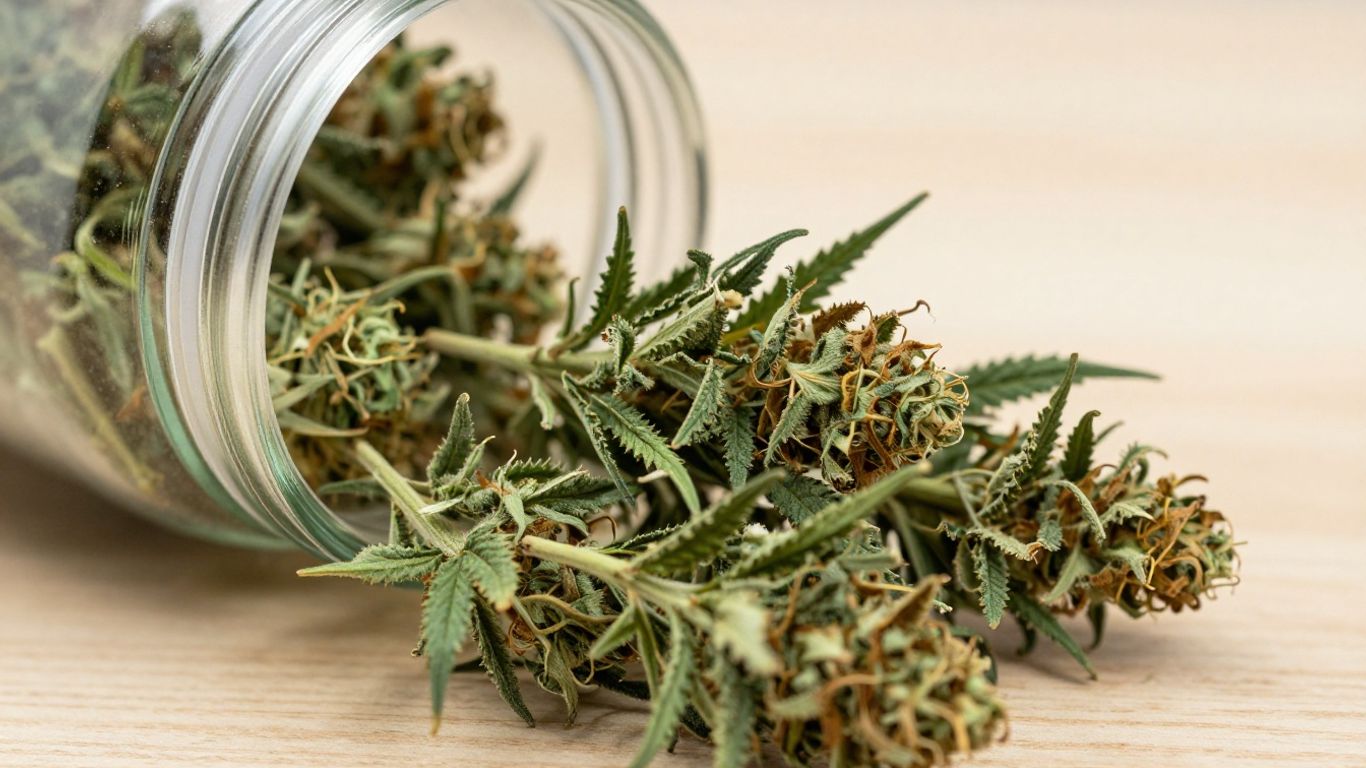
First off, ditch those plastic baggies. They’re terrible for long-term storage. They don’t seal well, and static can actually mess with the trichomes, which are those little crystal-like bits holding all the good stuff. Glass jars are your best friend here. They create a good seal and don’t interact with your cannabis. Look for ones with a tight-fitting lid, maybe even a rubber gasket. Opaque glass is even better because it blocks light, which is a major enemy of cannabinoids. If you can’t find opaque ones, just store them in a dark place. Speaking of dark, light is bad, heat is bad, and too much air is bad. So, find a cool, dark spot in your house. A closet or a cabinet works great. You want to avoid places with big temperature swings, like near a window or a heating vent. Keeping things stable is key.
Dos and Don’ts for Home Storage
Here’s a quick rundown to make things easy:
- Do use airtight glass jars.
- Do store them in a cool, dark place.
- Do aim for a humidity level between 59-63%. You can get little humidity control packs for this, which are super handy. They help keep the moisture just right, preventing mold and also stopping your buds from getting too dry and harsh.
- Don’t use plastic bags or containers that don’t seal well.
- Don’t store your cannabis in the fridge or freezer. Seriously, don’t. The condensation can cause mold, and it makes the trichomes brittle.
- Don’t leave it out in the open or in direct sunlight.
Keeping your cannabis in the right environment is more than just about keeping it from going bad; it’s about preserving the actual compounds that give it its effects and aroma. When you get the storage right, you’re essentially hitting pause on the degradation process, making sure that when you finally use it, it’s as close to its original quality as possible.
How Packaging Affects Potency
The original packaging your cannabis comes in can be okay for a short while, but it’s usually not designed for long-term storage. Many dispensary bags or containers aren’t truly airtight, and they might not offer enough protection from light. If you plan on keeping your stash for more than a week or two, transferring it to a proper glass jar is a really good idea. For extra security and discretion, especially if you have kids or pets around, a lockbox can be a good addition to your storage setup [4dfa]. For concentrates like hashish, opaque, airtight containers are also the way to go to preserve the product effectively.
| Storage Method | Approximate Shelf Life | Potency Retention | Notes |
|---|---|---|---|
| Plastic Bags | 2-4 months | 60-70% | Poor seal, static, light exposure |
| Basic Glass Jars | 6-12 months | 80-90% | Sensitive to temperature fluctuations |
| Vacuum Sealed (Jars) | 12-18 months | 85-95% | Can compress buds, one-time seal |
| Jars with Humidity Pack | 12-24 months | 90-95% | Maintains optimal humidity (59-63%) [a1ce] |
| Professional Humidor | 18-24 months | 90-95% | Precise control, specialized equipment |
As you can see, using the right methods, especially combining airtight containers with humidity control, makes a big difference in how long your cannabis stays good [6f23].
What Happens If You Consume Expired Weed?
Ever find an old stash at the back of your drawer and wonder if it’s safe — or even worth it — to use? You’re not alone. Many people are unsure what exactly happens if you smoke, vape, or eat cannabis that’s past its prime. Let’s break it down and get into the specifics.
Reduced Potency and Effects
As weed sits around, its main cannabinoid (THC) slowly degrades. This means older cannabis simply doesn’t pack the same punch. Instead of that familiar high, you might feel a weaker, dull, or even sedative buzz. This happens because, over time, THC converts to CBN, which is far less psychoactive. It’s not quite a total waste if you’re desperate, but it can be disappointing. The same goes for other compounds: terpenes (those things that make weed smell and taste unique) break down, too, so don’t expect the same flavor or intensity as something fresh. If you’re curious, old weed can still get you high—just at a lower level than when it was new.
- THC degrades to CBN, making the effect milder and more sedating
- Aroma and flavor fade, leaving a bland or musty taste
- Medicinal users may not get the relief they expect from old weed
Risks Associated With Moldy Cannabis
Weed doesn’t usually get dangerous unless it gets moldy. Smoking or vaping moldy buds puts you at risk for some rough side effects:
- Allergic reactions like sneezing, itchy eyes, or a runny nose
- Respiratory issues (especially if you already have asthma or similar conditions)
- Sinus infections or even serious lung issues if mold spores are inhaled
- In rare cases, folks with a weak immune system could face more severe outcomes
If you see fuzzy spots, smell anything like mildew, or feel a weird tickle in your throat after you try it, just toss it. Using moldy cannabis is never worth the risk.
| Mold Exposure Risks | Common Symptoms | Severity |
|---|---|---|
| Allergic reaction | Sneezing, itchiness, watery eyes | Mild to moderate |
| Respiratory distress | Coughing, wheezing, chest discomfort | Moderate to severe |
| Immune-compromised | Infections, serious lung problems (rare cases) | Severe, possibly life-threatening |
For some, smoking stale weed is mostly a waste—it’s weak and bland. But if it’s moldy? Don’t risk it, especially for those with breathing problems or allergies.
Considerations for Medicinal Users
If you use cannabis for medical reasons, freshness actually matters more. Degraded weed isn’t just less enjoyable, it’s less effective. Let’s say you’re counting on a certain effect for pain relief, sleep, or anxiety — weed past its shelf life might miss the mark. Medicinal users should take extra care to store cannabis well, avoid anything moldy, and opt for trusted sources. For potent, balanced strains, Sweet Mary Jane offers a good option when it’s fresh and properly handled.
- Diminished therapeutic effects may impact symptom control
- Inconsistent dosing makes managing medical conditions tricky
- Mold presents greater risks for anyone with chronic illnesses or immune issues
In short, cannabis doesn’t “expire” the same way milk does, but the more it ages, the more it drops in quality, potency, and safety. If it smells and looks normal, you might still get something out of it—but stay clear if there’s any hint of mold or if you need reliable medical benefits.
So, Does Weed Expire?
Alright, so we’ve gone over the nitty-gritty, and the short answer is: yeah, weed doesn’t last forever. It’s not like it’ll suddenly turn into poison after a certain date, but it definitely loses its punch over time. Think of it like a fine wine or even just your favorite snack – it’s best when it’s fresh. Proper storage is key here; keeping it out of the light, away from too much heat and moisture, really makes a difference. If you’ve got something that’s been sitting around for ages, it might still be okay if it looks and smells fine, but don’t expect the same kick. And if you see any fuzzy stuff or it smells weird, just toss it. Better safe than sorry, right?
Frequently Asked Questions
Does weed really expire or just lose strength?
Weed doesn’t spoil like milk or bread, but it does lose its strength over time. As months pass, the THC and other important parts break down, making the weed weaker. So, it won’t get you as high, but it usually isn’t dangerous unless it gets moldy.
How can I tell if my weed has gone bad?
Old weed often looks dry and crumbly. The color might fade to brown or yellow, and the smell can become weak or musty. If you see fuzzy spots or it smells like mildew, it might have mold and shouldn’t be used.
Can you get sick from smoking old or expired weed?
If the weed is just old, you probably won’t get sick, but it won’t work as well and might taste harsh. However, if there’s mold, it can cause coughing, headaches, or even lung problems. Always check for signs of mold before using old weed.
What’s the best way to store cannabis to keep it fresh?
The best way to keep weed fresh is to store it in an airtight glass jar in a cool, dark place. Try to keep the humidity between 59% and 63%. Avoid plastic bags and don’t put your weed in the fridge or freezer.
How long does weed usually stay good for?
If you store it right, dried cannabis flower can stay good for 6 months to a year, and sometimes up to 2 years. Edibles and gummies usually last 6 to 12 months, but always check the package for a date. Oils and vapes can last about 1 to 2 years if you keep them sealed and away from heat.
Is it safe to use weed if it’s past its best date?
If your weed is past its best date but doesn’t have mold, it’s usually safe, but it won’t be as strong or tasty. If you see mold or it smells weird, it’s best to throw it away to avoid any health risks.
[…] Your Cannabis for an Even […]