
Beyond the Hype: Exploring the Therapeutic Potential of Cannabis for Chronic Conditions
The conversation around diseases cannabis has evolved dramatically. Once a topic shrouded in stigma, it’s now at the forefront of a medical revolution. As research barriers slowly lower, scientists are uncovering a complex plant with profound therapeutic potential. But with a flood of information (and misinformation), a critical question remains: Can cannabis actually cure diseases?
The answer is nuanced. While cannabis is not a outright “cure” for most diseases in the way penicillin cures an infection, a growing body of evidence shows it is remarkably effective at managing symptoms, slowing disease progression, and in some cases, inducing remission. For millions living with chronic conditions, this isn’t about getting high—it’s about getting well.
Let’s dive into the science of how cannabis works in the body and explore the specific conditions it may help.
The Science Behind the Plant: Meet the Endocannabinoid System
To understand how cannabis benefits the body, you need to know about the endocannabinoid system (ECS). Discovered in the 1990s, the ECS is a vast network of receptors (CB1 and CB2) found throughout your brain, nervous system, immune cells, and organs.
Its primary job is to maintain homeostasis—keeping your body’s internal environment stable and balanced despite outside fluctuations. It regulates everything from mood, sleep, and appetite to pain sensation, inflammation, and immune response.
The cannabis plant produces compounds called cannabinoids. The two most well-known are THC (tetrahydrocannabinol) and CBD (cannabidiol). These plant-based cannabinoids, or phytocannabinoids, interact with our ECS. THC binds directly to CB1 receptors (primarily in the brain), producing psychoactive effects. CBD works more indirectly, influencing receptors and enhancing your body’s own natural endocannabinoids without the high.
This interaction is the key to cannabis’s therapeutic effects: it helps supplement and modulate a system designed to heal and balance us.
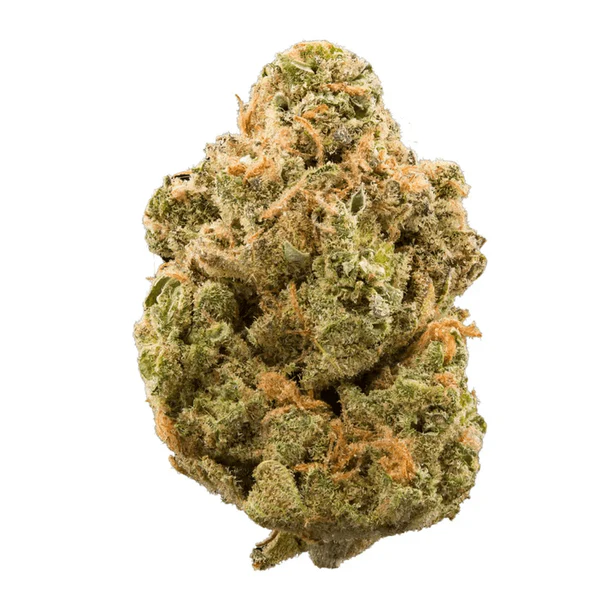
Conditions with Promising Evidence for Cannabis Treatment
It’s crucial to note that most research points to cannabis as a powerful treatment or management tool, not a definitive cure. However, its ability to alleviate debilitating symptoms can be life-changing. The following table outlines some of the conditions where evidence is strongest.
| Condition/Disease | How Cannabis May Help | Key Cannabinoids & Notes |
|---|---|---|
| Chronic Pain | interacts with CB1 receptors in the brain and CB2 in the body to reduce pain signal processing and inflammation. | THC, CBD – Often considered a safer alternative to opioids for long-term pain management. |
| Epilepsy & Seizure Disorders | CBD has demonstrated potent anti-convulsant properties, significantly reducing seizure frequency. | CBD – Epidiolex, a CBD-based drug, is the first FDA-approved cannabis-derived medicine for severe forms of epilepsy like Dravet syndrome. |
| Multiple Sclerosis (MS) | reduces muscle spasticity, stiffness, nerve pain, and improves sleep quality. | THC, CBD – Sativex, a mouth spray with a 1:1 ratio of THC:CBD, is approved in numerous countries for MS spasticity. |
| Nausea and Vomiting (e.g., from Chemotherapy) | acts on CB1 receptors in the brain’s nausea center to suppress the urge to vomit and stimulate appetite. | THC – Dronabinol (Marinol) and Nabilone are synthetic THC pharmaceuticals approved for this use. |
| PTSD (Post-Traumatic Stress Disorder) | may help regulate the amygdala (the fear center of the brain), reduce anxiety, and improve sleep by suppressing nightmares. | THC, CBD – Helps with the extinction of traumatic memories and promotes emotional stability. |
| Inflammatory Bowel Disease (Crohn’s & Ulcerative Colitis) | modulates the immune response, reduces gut inflammation, and alleviates associated pain and nausea. | THC, CBD – Studies show some patients can achieve clinical remission, reducing reliance on steroids. |
| Anxiety Disorders | CBD has shown strong anxiolytic (anti-anxiety) effects, promoting a sense of calm without psychoactive side effects. | CBD – Low doses of THC may help, but higher doses can sometimes exacerbate anxiety. CBD is generally preferred. |
| Palliative Care / Appetite Stimulation | stimulates appetite (the “munchies”) and helps mitigate cancer-related wasting syndrome (cachexia). | THC – Proven to help patients maintain weight and strength during rigorous treatments. |
A Note on the “C”-Word: Cure vs. Management
You’ll notice we use words like “manage,” “reduce,” and “alleviate.” It’s our responsibility to be clear: for the vast majority of conditions, cannabis is not a cure. It is a powerful symptom management tool that can drastically improve quality of life.
However, the line between management and a cure can sometimes blur. For example, if cannabis suppresses a patient’s immune response enough to put an autoimmune disease like Crohn’s into long-term remission, is that a functional cure for that individual? It’s a question researchers are still exploring.
Important Considerations Before You Begin
If you’re considering medical cannabis, please proceed with caution and professionalism.
- Consult Your Doctor: Never self-prescribe. Discuss your interest with a healthcare provider who understands your medical history and can advise on potential interactions with other medications.
- It’s Not One-Size-Fits-All: The effective strain, dosage (microdosing is often key), and ratio of THC to CBD vary tremendously from person to person and condition to condition.
- Know the Law: Medical and recreational cannabis laws vary by state and country. Ensure you are accessing it through legal and regulated channels.
- Quality Matters: Source products from reputable, licensed dispensaries that provide third-party lab testing for potency and contaminants.
The Future is Bright
The research into cannabis is still in its early stages, but the potential is undeniable. While it may not be a miracle cure, it represents a profound return to a more natural, holistic approach to healing—one that works by harnessing the body’s own innate systems. For countless patients, cannabis has provided relief where other medicines have failed, offering not just a treatment, but a renewed chance at a functional and comfortable life.