

Cannabis Legal Age in Canada by Province: A Complete Guide
Since the historic passage of the Cannabis Act in October 2018, Canada has become a global leader in the regulation of recreational marijuana. However, one of the most common points of confusion for residents and tourists alike is the local variation in regulations. While the federal government sets the baseline, each province and territory has the authority to establish its own rules regarding sale, possession, and—most importantly—the legal age of consumption.
If you are asking, “What is the cannabis legal age in Canada by province?“ you’ve come to the right place. Navigating these laws is essential to ensuring you remain compliant with local regulations. This comprehensive guide breaks down the legal age requirements, possession limits, and purchasing rules across every corner of the Great White North.
At a Glance: Cannabis Legal Age Across Canada
Before diving into the specifics of each province, here is a quick reference table for the legal age to purchase and consume cannabis in Canada.
| Province/Territory | Legal Age |
|---|---|
| Alberta | 18 |
| British Columbia | 19 |
| Manitoba | 19 |
| New Brunswick | 19 |
| Newfoundland and Labrador | 19 |
| Northwest Territories | 19 |
| Nova Scotia | 19 |
| Nunavut | 19 |
| Ontario | 19 |
| Prince Edward Island | 19 |
| Quebec | 21 |
| Saskatchewan | 19 |
| Yukon | 19 |
Why Is the Legal Age Different Across Provinces?
When Canada legalized recreational cannabis, the federal government set the minimum age at 18. However, provincial and territorial governments were given the power to increase that minimum age to align with their local public health policies and alcohol consumption laws.
In most provinces, the cannabis legal age mirrors the legal drinking age. For example, in Ontario, both alcohol and cannabis are restricted to those 19 and older. The notable exceptions are Alberta (where both are 18) and Quebec (where the drinking age is 18 but the cannabis age is 21).
Detailed Breakdown: Cannabis Laws by Province
1. Alberta (Legal Age: 18)
Alberta is currently the only province where the cannabis legal age is 18. This aligns with the province’s legal age for alcohol and tobacco.
- Where to Buy: Private licensed retailers and the government-run website (AlbertaCannabis.org).
- Possession Limit: 30 grams of dried cannabis in public.
2. Quebec (Legal Age: 21)
Quebec has the strictest age requirements in the country. While the legal age was initially 18, the provincial government raised it to 21 in January 2020. This makes Quebec the only province where an adult can legally drink alcohol but cannot legal purchase or possess cannabis.
- Where to Buy: Exclusively through the Société québécoise du cannabis (SQDC).
- Home Cultivation: Quebec is one of the few provinces that prohibits growing cannabis at home for recreational use.
3. Ontario (Legal Age: 19)
As Canada’s most populous province, Ontario follows the 19+ rule.
- Where to Buy: Private retail stores or the Ontario Cannabis Store (OCS) online.
- Consumption: Generally allowed where tobacco smoking is permitted, though individual municipalities may have their own bylaws.
4. British Columbia (Legal Age: 19)
B.C. is famous for its “B.C. Bud,” and the regulations here are designed to integrate a robust private and public retail system.
- Where to Buy: BC Cannabis Stores (government-run) and licensed private retailers.
- Public Possession: 30 grams for adults 19+.
5. Manitoba (Legal Age: 19)
Manitoba opted for a 19+ age limit, despite the legal drinking age in the province being 18.
- Where to Buy: Licensed private retailers only.
- Home Cultivation: Prohibited. Along with Quebec, Manitoba does not allow residents to grow their own cannabis.
6. Saskatchewan (Legal Age: 19)
Saskatchewan follows the 19+ age requirement and relies entirely on a private retail model.
- Consumption: Restricted to private residences; public consumption is largely prohibited.
7. Atlantic Canada (NB, NS, PEI, NL)
The Atlantic provinces—New Brunswick, Nova Scotia, Prince Edward Island, and Newfoundland and Labrador—all maintain a cannabis legal age of 19.
- Nova Scotia: Cannabis is sold through the NSLC (Nova Scotia Liquor Corporation).
- New Brunswick: Sold via Cannabis NB.
- Prince Edward Island: Sold via PEI Cannabis.
- Newfoundland & Labrador: Sold through licensed private retailers overseen by the NLC.
8. The Territories (YT, NT, NU)
The Yukon, Northwest Territories, and Nunavut all set their legal age at 19. Given the remote nature of many communities in the north, mail-order cannabis is a significant part of the supply chain here.
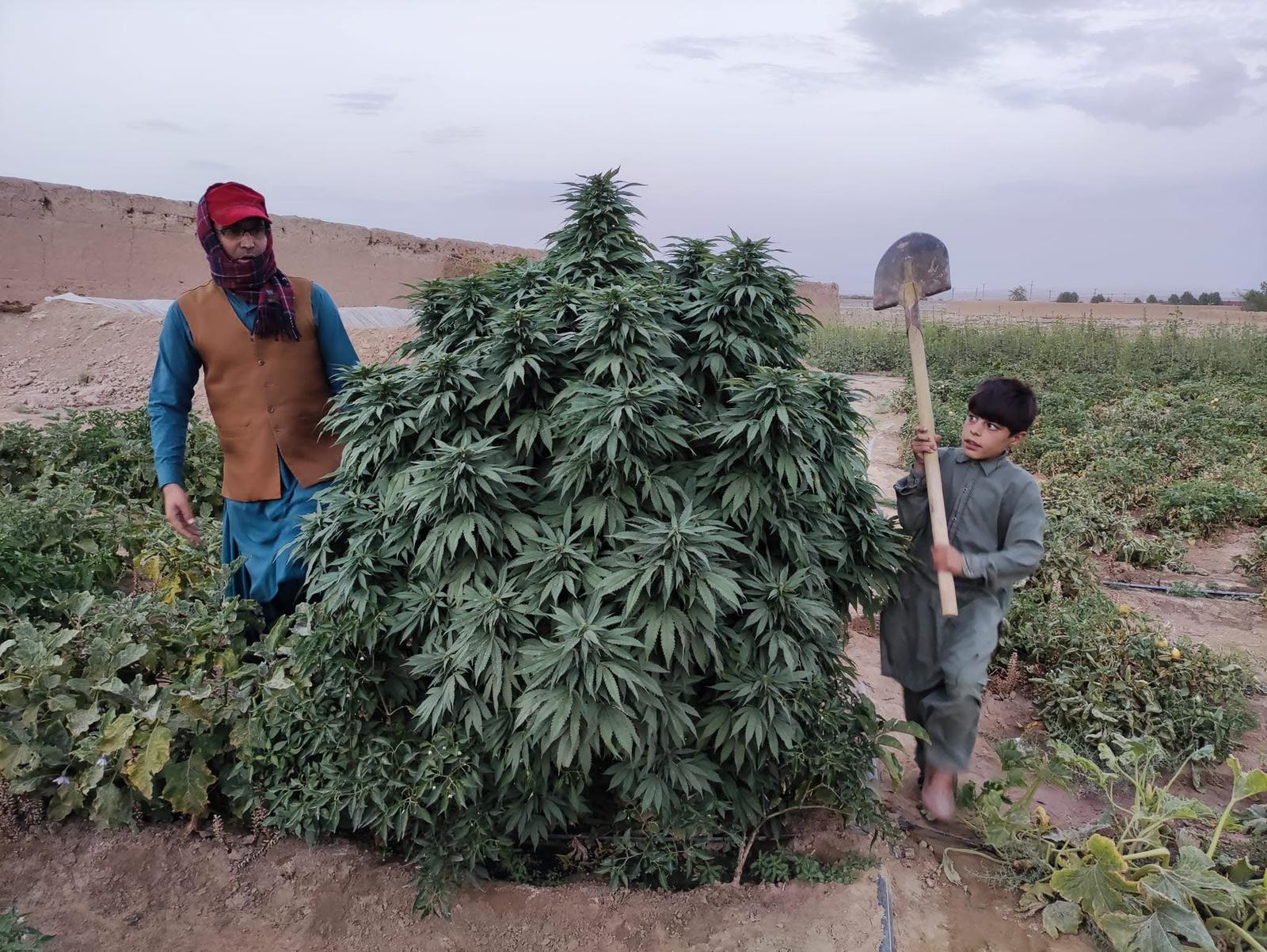
Federal Possession and Cultivation Limits
Regardless of the cannabis legal age in Canada by province, federal law stipulates certain limits that apply nationwide. Even if you are of legal age, exceeding these limits can lead to criminal charges.
- Public Possession: Adults (of legal age in their respective province) can possess up to 30 grams of legal dried cannabis, or its equivalent in other forms (edibles, oils, etc.), in public.
- Home Cultivation: In most provinces (except Quebec and Manitoba), adults can grow up to four plants per residence (not per person).
- Sharing: You may share up to 30 grams of legal cannabis with other adults who meet the legal age requirement in that province.
Traveling with Cannabis within Canada
If you are traveling between provinces, you must follow the laws of the province you are currently in.
- Example: If you are an 18-year-old from Alberta traveling to British Columbia, you cannot legally possess or consume cannabis in B.C., as the legal age there is 19.
- Air Travel: You are permitted to carry up to 30 grams of cannabis on domestic flights within Canada, provided you meet the legal age requirement of both your departure and arrival points.
- International Travel: It remains strictly illegal to take cannabis across the Canadian border, even if you are traveling to a U.S. state where it is legal (like Washington or New York).
Frequently Asked Questions (FAQ)
What is the youngest legal age for cannabis in Canada?
The youngest legal age is 18, which is only applicable in the province of Alberta.
Can I buy weed in Quebec if I am 19?
No. While 19 is the legal age in most of Canada, Quebec requires you to be 21 years old to purchase or possess cannabis.
What happens if I am caught with cannabis under the legal age?
Penalties vary by province but typically include seizure of the product, fines (similar to underage drinking tickets), and potential mandatory education programs. Criminal charges are generally reserved for large-scale distribution or possession of significant quantities.
Is the legal age for medical cannabis different?
Yes. Medical cannabis is regulated federally. If you have a medical document from a healthcare provider, the age restrictions for recreational retail do not apply in the same way, though there are still strict protocols for how medical cannabis is accessed.
Safety and Responsibility
While the cannabis legal age in Canada by province provides the legal framework, responsible consumption is vital. Health Canada recommends that young adults be aware of the effects of THC on the developing brain, which continues to grow until the mid-20s.
If you are of legal age and choose to consume:
- Start low and go slow, especially with edibles.
- Never drive high—drug-impaired driving is a serious criminal offense in Canada with penalties equal to alcohol-impaired driving.
- Store cannabis securely and out of reach of children and pets.
Conclusion
Understanding the cannabis legal age in Canada by province is the first step toward responsible and legal enjoyment of cannabis. Whether you are an Albertan resident enjoying the 18+ limit or a visitor navigating Quebec’s 21+ requirement, staying informed ensures you have a safe and hassle-free experience.
As laws are subject to change, always check with provincial government websites for the most up-to-date information regarding retail locations and consumption bylaws.
[…] and limitations is critical to staying on the right side of the law. Possession of more than the legal limit can lead to steep fines, confiscation, and in some jurisdictions, criminal charges. This […]