
Introducing Cannabis as a Promising Alternative for Epilepsy Patients
Epilepsy, a neurological disorder characterized by recurrent seizures, affects over 50 million people worldwide. While traditional antiepileptic drugs (AEDs) remain the cornerstone of treatment, many patients report inadequate seizure control or intolerable side effects. In recent years, cannabis—specifically its non-psychoactive compound cannabidiol (CBD)—has emerged as a natural, plant-based option for managing seizures. This guide explores the science, benefits, and practical considerations of using cannabis for epilepsy, offering insights into how this alternative therapy might fit into your or your loved one’s treatment plan.
Understanding the Link Between Cannabis and Epilepsy
The Science Behind CBD and Seizures
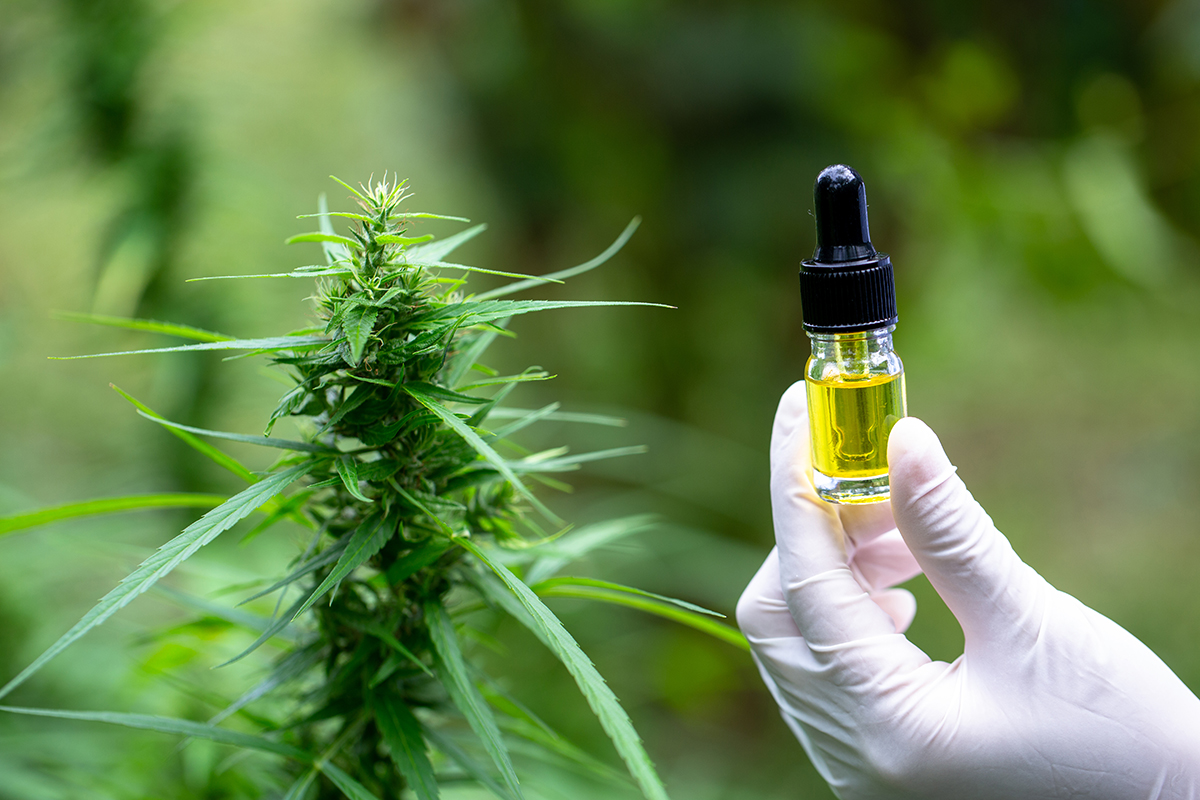
Cannabidiol (CBD) is one of over 100 cannabinoids found in the cannabis plant. Unlike tetrahydrocannabinol (THC), CBD does not produce a “high,” making it a safer option for therapeutic use. Research suggests that CBD interacts with the endocannabinoid system (ECS), a network of receptors in the body that regulates processes like pain, mood, and seizure activity. By modulating ECS activity, CBD may help reduce the frequency and severity of seizures.
Clinical Evidence Supports Cannabis for Seizures
Multiple studies and clinical trials have highlighted the potential of cannabis derivatives in epilepsy treatment. For example:
- A 2017 New England Journal of Medicine study found that CBD reduced seizure frequency by 43% in patients with Dravet syndrome, a severe form of epilepsy.
- In 2018, the FDA approved Epidiolex, a CBD-based medication, for the treatment of seizures associated with Lennox-Gastaut syndrome and Dravet syndrome.
- A 2020 Journal of Epilepsy Research analysis of 120 patients showed that 71% experienced a 50% reduction in seizures after using CBD oil consistently for 12 weeks.
These findings have sparked global interest in cannabis as a complementary or alternative treatment for drug-resistant epilepsy.
Why Patients Are Turning to Cannabis for Seizure Control
1. Fewer Side Effects Compared to Traditional AEDs
Conventional antiepileptic medications often cause fatigue, dizziness, and cognitive impairment. In contrast, CBD is generally well-tolerated, with the most common side effects being mild, such as dry mouth or changes in appetite.
2. Broad-Spectrum Benefits
Cannabis compounds may address not just seizures but also related conditions, including anxiety, sleep disorders, and chronic pain—common comorbidities in epilepsy patients.
3. Efficacy for Drug-Resistant Epilepsy
For the 30% of epilepsy patients who do not respond to traditional medications, cannabis offers a promising alternative. Many report improvements in seizure control after incorporating CBD into their regimen.
How Cannabis Works: Targeting the Root of Seizures
The Role of the Endocannabinoid System
The ECS plays a critical role in maintaining neurological balance. Cannabinoids like CBD interact with CB1 and CB2 receptors to:
- Reduce neuronal hyperexcitability, which can trigger seizures.
- Decrease inflammation in the brain.
- Modulate neurotransmitter activity, such as GABA and glutamate, to stabilize brain function.
CBD vs. THC: What’s the Difference?
While both CBD and THC are cannabinoids, their effects differ:
- CBD: Anticonvulsant, anti-inflammatory, non-psychoactive.
- THC: Psychoactive, with limited evidence for seizure control. Most epilepsy treatments focus on CBD-dominant formulations to avoid mind-altering effects.
Choosing the Right Cannabis Product for Epilepsy
Types of Cannabis Products for Seizure Management
- CBD Oils/Tinctures: Easy to dose and fast-acting when taken sublingually.
- Capsules/Tablets: Provide consistent dosing, ideal for daily use.
- Topicals: Less effective for seizures but useful for localized pain or inflammation.
- Vapes: Rapid onset but may carry lung health risks, so experts recommend oils or edibles for long-term use.
Key Considerations When Selecting a Product
- CBD Concentration: Look for products with high CBD content and minimal THC (0.3% or less under U.S. federal law).
- Quality Testing: Ensure the product is third-party lab-tested for purity and potency.
- Full-Spectrum vs. Isolate: Full-spectrum CBD contains other beneficial compounds, while isolates contain pure CBD. Both are effective; consult a healthcare provider to determine the best fit.
Safety, Dosage, and Legal Considerations
What You Need to Know Before Starting Cannabis Therapy
- Consult a Neurologist: Cannabis should never replace prescribed medications without medical supervision.
- Potential Side Effects: Fatigue, diarrhea, or changes in liver enzymes may occur. Regular monitoring is essential.
- Drug Interactions: CBD can interact with enzyme systems that process other medications. Inform your doctor about all drugs and supplements you take.
The Legal Landscape
Cannabis laws vary widely by country and state. In the U.S., hemp-derived CBD with less than 0.3% THC is legal federally, but state laws may differ. Always verify local regulations before purchasing or using cannabis products.
Frequently Asked Questions: Cannabis and Epilepsy
1. What is the recommended CBD dosage for seizures?
There is no one-size-fits-all answer. Most studies start with 10–20 mg of CBD twice daily, adjusting based on response and blood work. Always follow a healthcare provider’s guidance.
2. How long does it take for CBD to reduce seizures?
Some patients notice improvements within 2–4 weeks, while others may take longer. Consistency is key.
3. Is cannabis legal for epilepsy treatment?
Yes, in many countries and U.S. states, particularly for specific conditions like Dravet syndrome. Check your local laws for compliance.
4. Can CBD interact with anti-seizure medications?
Yes, CBD may increase or decrease the effects of AEDs. Blood tests are recommended to monitor drug levels.
Final Thoughts: A Holistic Approach to Seizure Management
While cannabis is not a cure for epilepsy, it offers a natural, evidence-backed option for those seeking improved seizure control and quality of life. As with any treatment, personalized medical advice is crucial to ensure safety and effectiveness.
Explore the Possibilities
If traditional treatments have fallen short, cannabis-derived therapies like CBD may provide renewed hope. Stay informed, consult with a qualified healthcare provider, and consider the role of cannabis in your comprehensive epilepsy care plan.
Need Help Getting Started?
Contact us to speak with a cannabis healthcare advisor or browse our vetted selection of CBD products designed for seizure management. Let’s work together to find a solution tailored to your needs.
[Call-to-Action Button: “Start Your CBD Journey Today”]